
What to do in an emergency
If you need help, call 111 for fire, police or ambulance services. For help on campus, you can also call Campus Security—0800 842 8888.
Be prepared
Being prepared for an emergency can help you and the people around you. Here’s a few tips to help you prepare before an emergency happens.
- Make sure your family, flatmates, friends and hall residents know how to contact you.
- Nominate an emergency meeting place with your family, flatmates, or friends.
- Keep an emergency kit ready and easily accessible at home in case you need to leave quickly.
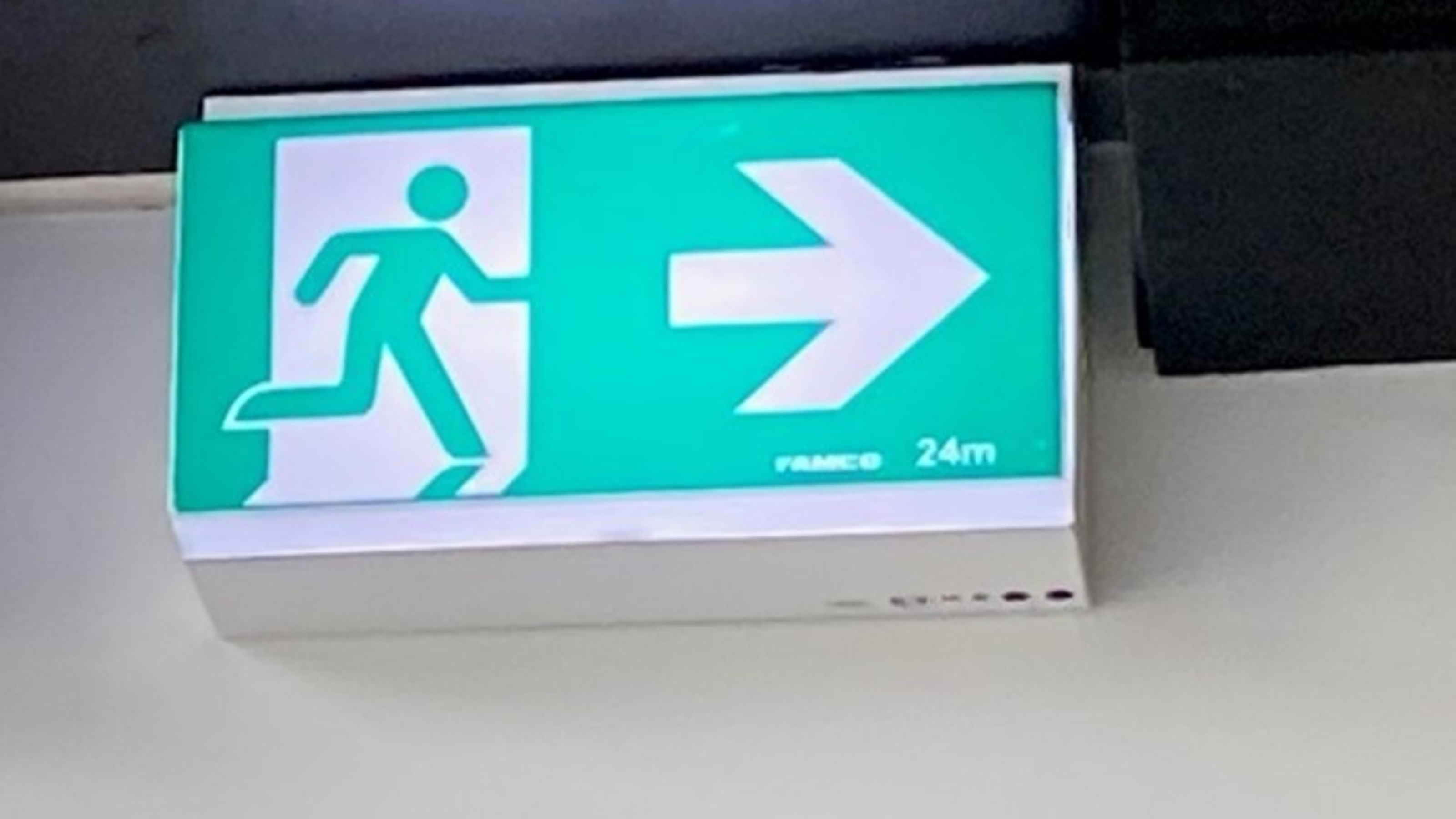
- Know all your potential exits in your accommodation and University buildings as your main exit may be compromised.
Also during an evacuation...
- Do not attempt to return to your room.
- Do not force smoke and fire doors to stay open, as these are designed to contain smoke and fire.
- Students in halls should listen to wardens, stay on site, and wait for further instructions.
- Check the University Facebook page for updates once you are safely at your assembly point.
- You may receive updates via text or email.
Wardens
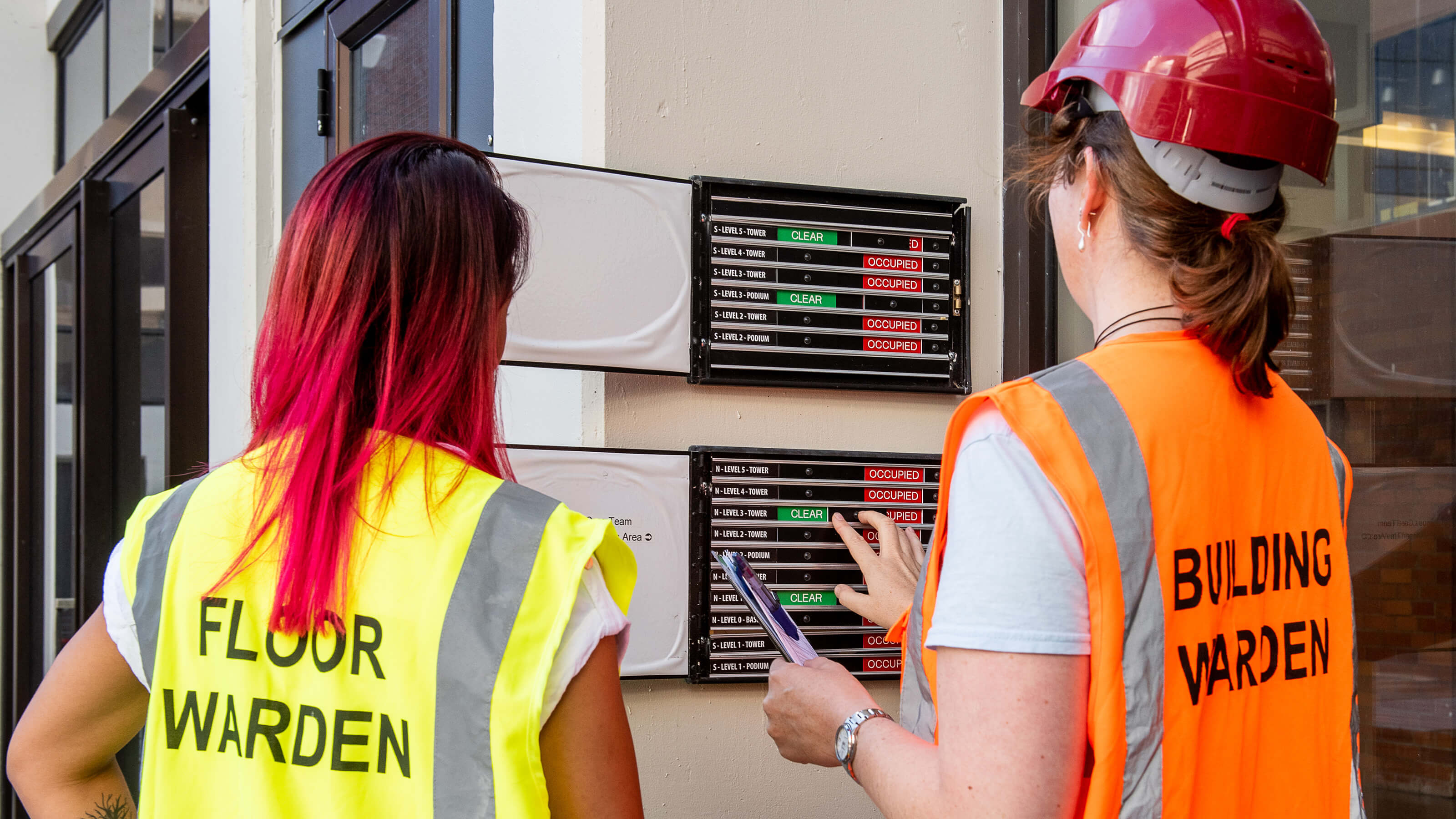
All University buildings have wardens who are trained in evacuating people in an emergency.
Floor wardens wear bright yellow vests. Building wardens wear bright orange vests.
In an emergency, listen to the wardens—they will tell you what you need to do and where you need to go. There are different assembly points depending on the type and location of the emergency. Follow instructions from the wardens.
Accessibility and impairments
People with impairments may need help. For example, you may need to tell someone from the deaf community that an alarm has sounded. A person on crutches may be unable to safely go downstairs.
If you are unable to go down the stairs due to an impairment, find a safe spot in or near the stairwell and tell someone that you need help. Emergency stairwells are designed to resist smoke and fire.
Accessible pathways
Accessible pathways are marked on all campus maps:
Trapped in a lift
- Press the emergency button.
- Using the lift phone, and the number displayed. If the phone does not work, press the emergency button or bell until someone is able to get you.
- Phone Campus Security—0800 842 8888.
- Remain calm and help to keep others calm.
If you observe a malfunction from outside of the lift, phone Campus Security, 0800 842 8888. If people inside can hear you, then let them know that help is on its way.
Victoria Rescue (NZ-RT7)
Victoria Rescue (NZ-RT7) supports the University and wider community with emergency response and specially trained search and rescue service.
The team is currently accredited four capability strands with the National Emergency Management Agency (NEMA):
- Foundation Skills
- Light Rescue (surface search and rescue)
- Civil Defence Centres and Welfare
- Mass Casualty Incident Support.
Find out more and apply to join the team.