
Biotechnology—Hangarau Koiora
Study Biotechnology at VUW and see how fundamental curiosity-driven findings can be applied to address both the small and big problems that confront humanity.
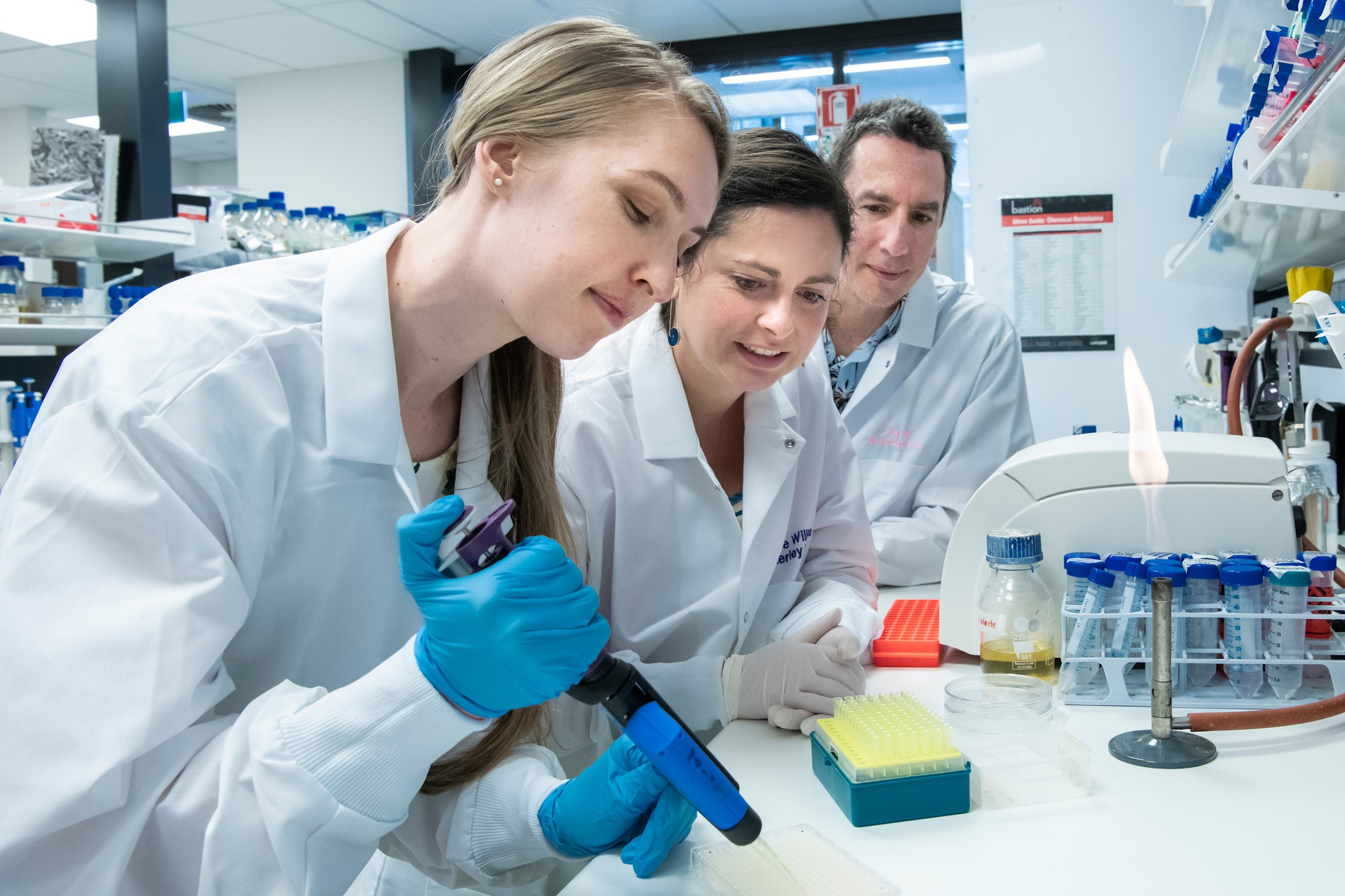
Biotechnology helps us make products that benefit humanity—these could be new medicines, better crops, or carbon-capture systems and biofuels for a cleaner environment. With this major, you'll learn how living organisms function at the molecular level, and how some of their components can be adapted to solve key issues in medicine, agriculture, industry, and the environment. You’ll also study the range of impacts that these advances have on society.
With the exponentially diminished cost of DNA sequencing and synthesis driving advances on all fronts, there has never been a more exciting time to be involved in biotechnology. Study the commercial, legal, political, and social considerations of bringing new developments to the marketplace and learn to think critically about the societal impacts of gene patents, GMO technologies, and the commercialisation of science.
Along the way, you will meet both academics and entrepreneurs who have pioneered new biotechnology products and will have the opportunity to learn from their experiences. Our graduates have a broad foundation in:
- chemistry
- biochemistry
- genetics
- microbiology
- ethics
- critical thinking
- hands-on research skills.
These will help you innovate and translate advances in biotechnology.
Where this degree can take you
The skills you will gain are highly transferable. Our graduates work for:
- small biotechnology start-ups
- large established companies
- venture capital firms and technology transfer teams
- patent law firms, ministries
- consultant groups
- sales and marketing teams
- science communication teams.
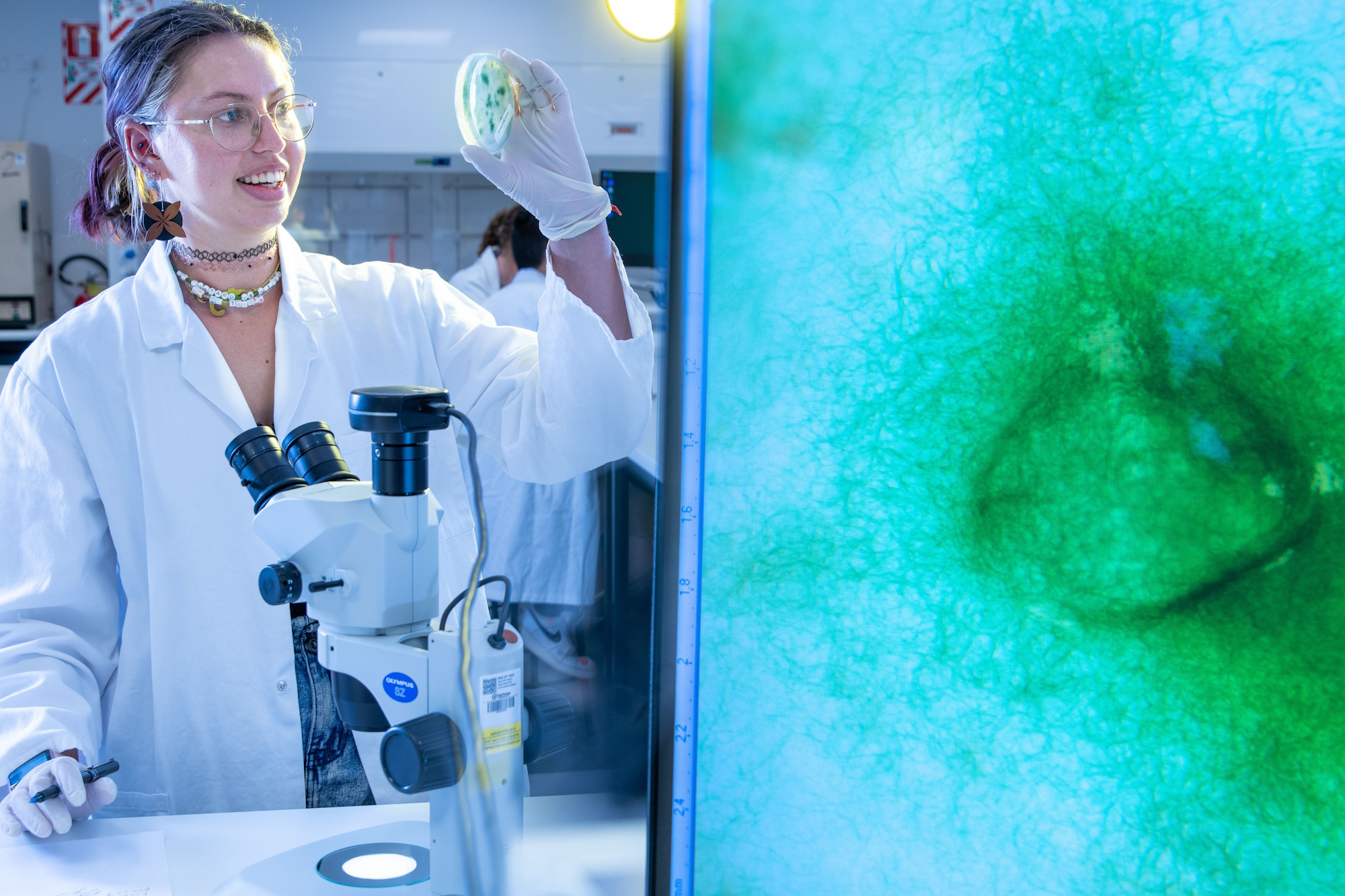
Example programme of study 2027
An example programme of study for an undergraduate Biotechnology major is shown below. Note that this is an example—there is flexibility.
Required courses for the Biotechnology major are highlighted in bold. Students must complete at least one of the courses marked with an asterisk (*).
*Note: Students without the NCEA requirements to enter directly into CHEM 121 Chemistry of Life should take CHEM 113 Concepts of Chemistry in Trimester 1 and CHEM 121 in Trimester 2. Students who can enter directly into CHEM 121 Chemistry of Life can take an alternative course such as SCIS 101 in Trimester 1, as shown above.
Programme Director

Professor of Biotechnology
School of Biological Sciences