
Marine Biology—Mātai Koiora Moana
Study Marine Biology at Victoria University of Wellington and gain hands-on experience exploring marine life, coastal ecosystems, and ocean conservation.
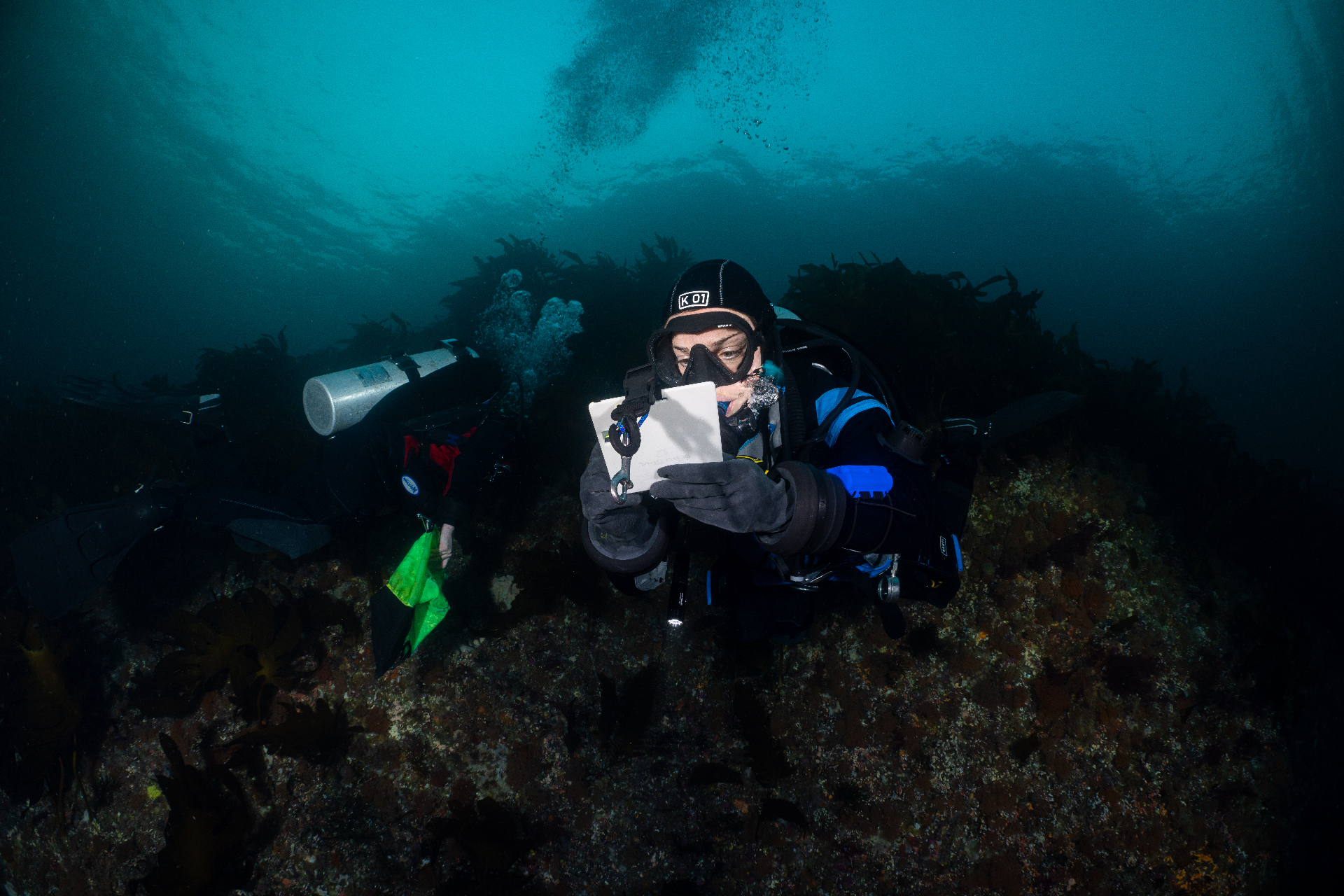
Marine Biology is the study of life in the ocean and the interactions between marine organisms and their environments. You'll explore everything from microscopic plankton and coastal ecosystems to deep-sea habitats and marine mammals, while developing an understanding of the ecological processes that shape marine ecosystems. New Zealand's marine environment is one of the most diverse in the world, and the Wellington region provides an exceptional setting to study marine life and address the challenges facing our oceans.
At Te Herenga Waka—Victoria University of Wellington, Marine Biology combines classroom learning with practical, hands-on experiences in the field and laboratory. Wellington is surrounded by extensive coastline and is home to the University’s Coastal Ecology Laboratory, located alongside the Taputeranga Marine Reserve. Students have opportunities to participate in field trips, laboratory investigations, marine surveys, and research projects that utilise the region's remarkable marine environments.
Throughout the major, you'll develop skills in marine ecology, field techniques, data analysis, experimental design, and scientific communication. You'll learn how marine organisms function, how ecosystems respond to environmental change, and how science can be applied to marine conservation and management. Employers and postgraduate programmes highly value these practical and analytical skills.
Where this degree can take you

Graduates from our programmes have a background for future careers in marine conservation, fisheries management, aquaculture, environmental consulting, ecological monitoring, research, policy development, and science communication. Many graduates continue into postgraduate study, providing career opportunities with organisations such as the Earth Sciences NZ, Department of Conservation, regional councils, environmental consultancies, and other government departments.
Example programme of study 2027
An example programme of study for an undergraduate Marine Biology major is shown below. Note that this is an example—there is flexibility.
Required courses for the Marine Biology major are highlighted in bold.
Programme Director

Professor of Marine Biology
School of Biological Sciences