
Ecology and Biodiversity—Mātai Hauropi, ngā Momo Koiora hoki
Study Ecology and Biodiversity at Victoria University of Wellington and gain hands-on experience in forests, islands, and real-world conservation projects.
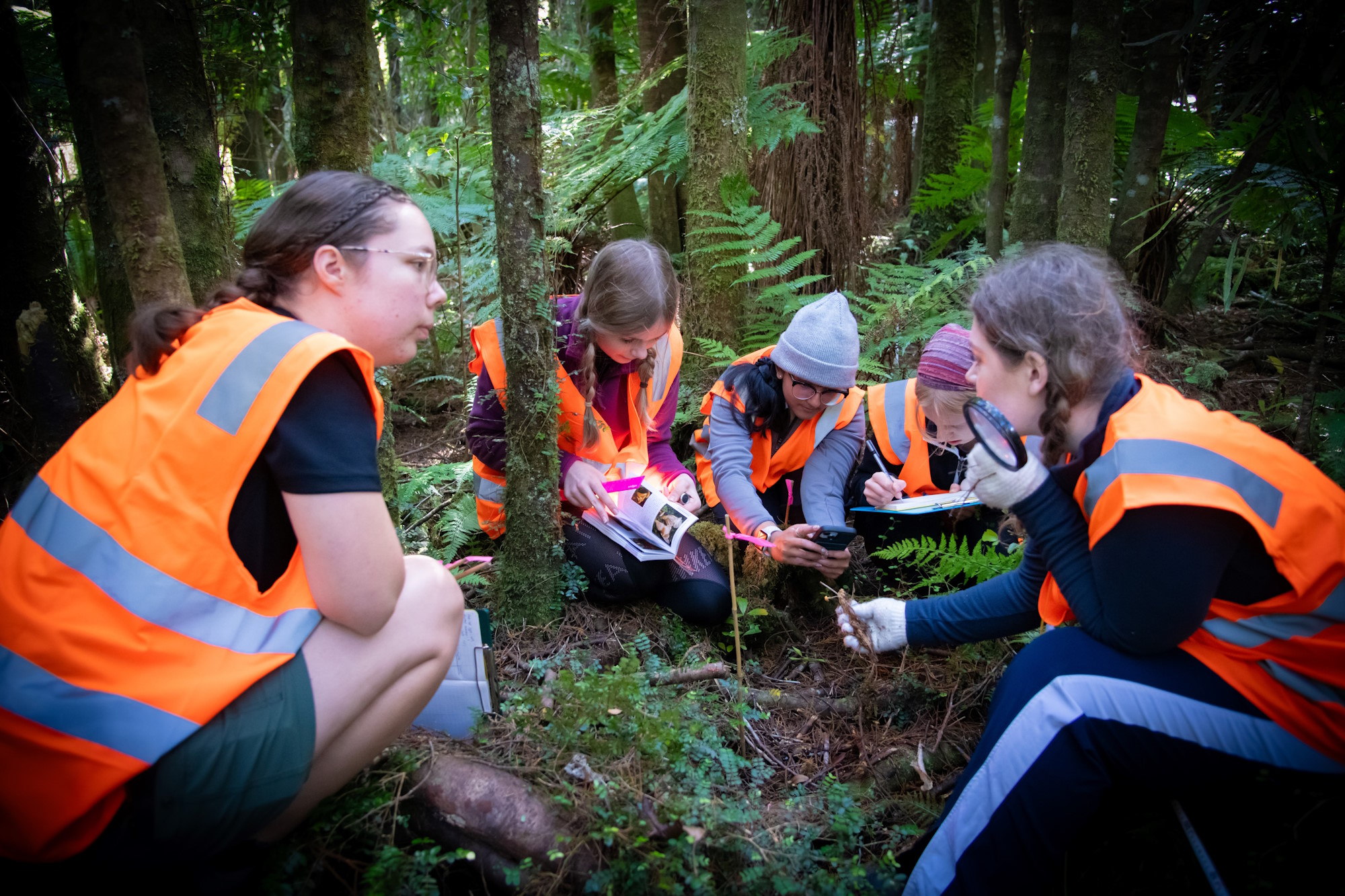
In the Ecology and Biodiversity degree, you’ll learn by doing. Explore the diversity of life on Earth—from plants and animals to microbes—and understand how species evolve, interact, and form the ecosystems that sustain our planet. Fieldwork, practical labs, and real-world projects are woven through your learning.
Wellington is your natural laboratory. Within minutes of campus, you can study and work in remarkable reserves such as Zealandia Te Māra a Tāne, Ōtari-Wilton’s Bush, and Mātiu/Somes Island. These sites offer hands-on experience with native biodiversity, ecological restoration, and conservation science in action.
You’ll tackle the big environmental challenges of our time, including biodiversity loss, climate change, biosecurity, and ecosystem recovery, while gaining practical skills in ecological research, data analysis, and field methods that employers value.
Where your degree can take you
Graduates move into careers in conservation, biosecurity, environmental policy, ecological research, restoration, sustainability consulting, wildlife management, education, and environmental monitoring.
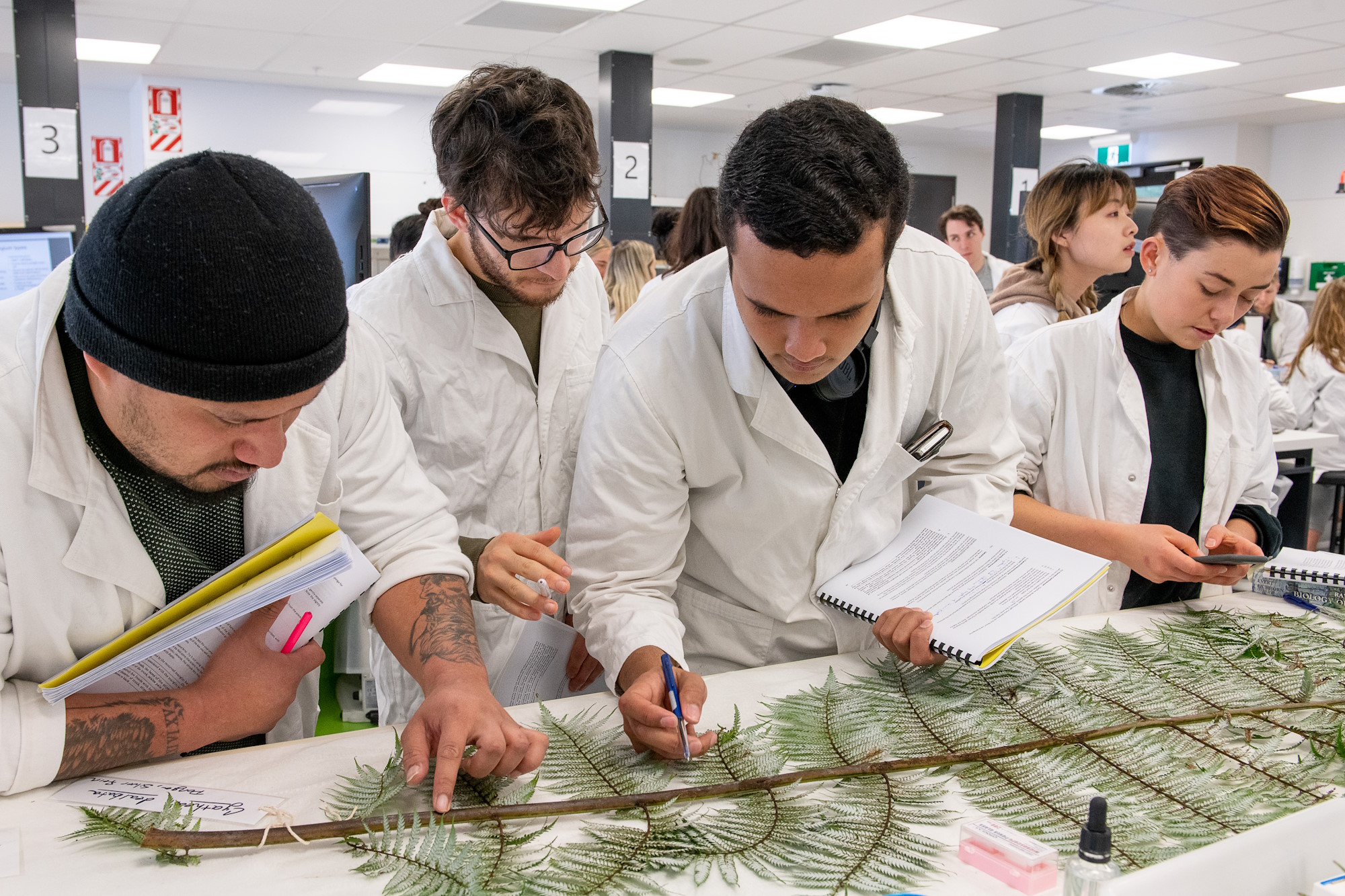
Example programme of study 2027
An example programme of study for an undergraduate Ecology and Biodiversity major is shown below. Note that this is an example—there is flexibility.
Required courses for the Ecology and Biodiversity major are highlighted in bold. Students must complete at least one of the courses marked with an asterisk (*).
| Year | Courses |
|---|---|
| Year 1 | |
| Year 2 | |
| Year 3 |
Programme Director

Professor of Biology
School of Biological Sciences