
From Dannevirke to Bogotá and back: the first collection of James K Baxter Poems in Spanish is launched at Victoria University
Published by Colombian publisher Lobo Blanco Editores, and translated by Caleb Harris, El Jesús maorí y otros poemas was launched last Thursday at Vic Books. The event, co-hosted by the School of Languages and Cultures, the New Zealand Centre for Literary Translation/ Te Tumu Whakawhiti Tuhinga o Aotearoa, NEKE, The New Zealand Journal of Translation Studies, and Vic Books was attended by distinguished guests, their Excellencies the Argentine Ambassador Fausto Lopez Crozet, the Cuban Ambassador Mario Alzugaray, the Honorary Colombian Consul in New Zealand, Peter Cullen, along with colleagues, friends and whanau.

In 2007 when the New Zealand Centre for Literary Translation had just been founded, Dannevirke-born Caleb Harris was completing his MA in Literary Studies in Spanish at the National University of Colombia where he was invited to translate a New Zealand writer for a university journal. The poet’s enduring place in New Zealand literature and his role in working to bridge the gap between the Pākehā world and te ao Māori (as he saw it) made Baxter the perfect choice. Also, Harris saw him as both very representative of New Zealand and having universal appeal. 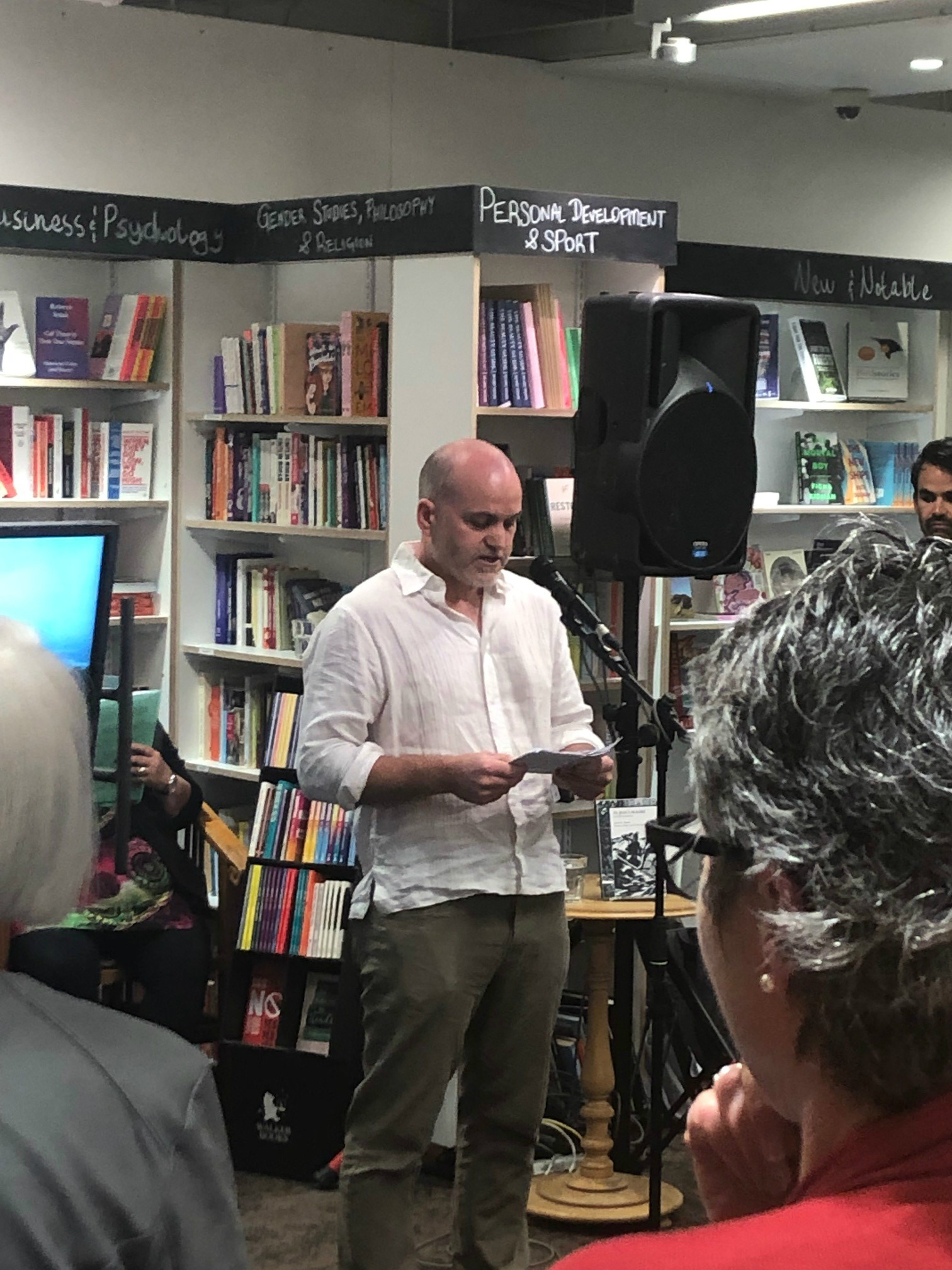
The launch opened by acknowledging Baxter’s most important Māori influence, poet and leader Jacquie Sturm. Following consultation with Dr Paul Millar, who was a personal friend of Sturm and who is literary executor of both Baxter and Sturm, the latter’s poem ‘Travelling’ was read in English and Spanish (also translated by Harris). The volume’s editor and publisher, Íkaro Valderrama, presented a short musical interpretation of Baxter’s poem ‘High Country Weather’ after which Baxter’s ‘New Zealand’, ‘Autumn Testament, 9’ and ‘The Māori Jesus’ were read in both English and Spanish by Jean Anderson, Caleb Harris and Carolina Miranda.
Over a decade has gone by since the NZCLT was set up. Back then we had at least two aims. First, to use our existing skills in translation, and in particular literary translation, in the service of New Zealand writers and readers. Second, to expand the offerings of foreign language literatures locally and to give whatever support we could to New Zealand works in reaching international audiences. Harris’s collection has taken us all to Bogotá and back. The School of Languages and Cultures, The New Zealand Centre for Literary Translation and The New Zealand Journal of Translation Studies celebrate Harris’ achievement and the opportunity to sing alongside him in a range of voices.