Victoria-GNS Science collaboration ranked 9th worldwide in Nature Index 2017
Victoria University’s collaboration with GNS Science has been ranked 9th worldwide in the prestigious annual Nature Index.

Victoria University’s collaboration with GNS Science has been ranked 9th worldwide in the prestigious annual Nature Index.
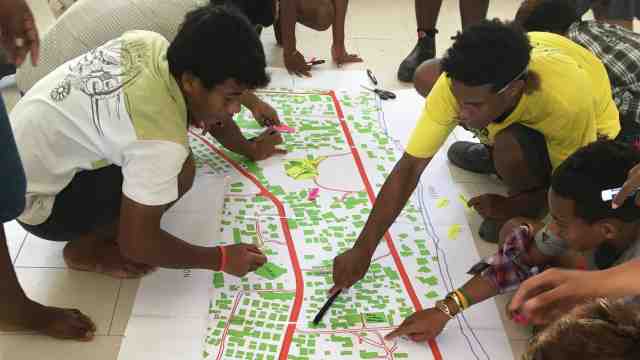
A community youth centre project for Kiribati youth, co-developed by Dr Rebecca Kiddle from Victoria University of Wellington's School of Geography, Environment and Earth Sciences assists, requires resources to begin construction.
The number of small-to-moderate sized earthquakes in large areas of the central and eastern United States began to increase dramatically in 2005. The occurrence of many of these earthquakes correlates with the increased use of horizontal drilling and multi-stage hydraulic fracturing by the oil and gas industry.
An international team of researchers have started studying the active zone off the North Island's East Coast which they say could trigger a mega-quake or tsunami.
Victoria University Environmental Studies students impress audiences and academics at the Environmental Studies Conference with their future conscious ideas about New Zealand's environment.
Avalon Intermediate School teacher Rose Campbell spends time with Victoria University's School of Geography, Environmental and Earth Sciences as part of The Science Teaching Leadership Programme.
Geography programme director at Victoria University of Wellington, Bethanna Jackson, tells Kathryn Ryan about her Land Utilisation and Capability Indicator tool (LUCI) which is designed to manage nutrient loss into waterways. Dr Jackson started developing this tool in Wales, where she's been working since 2006 on flood prevention. Here in New Zealand she has developed the software to help farmers identify at-risk areas for nutrient loss.
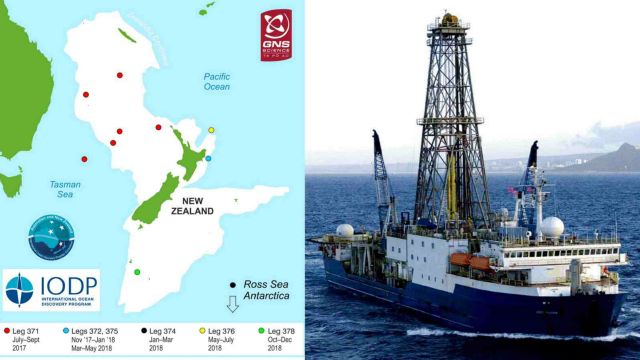
The JOIDES Resolution set sail from Townsville at the end of July beginning IODP Expedition 317: exploring the tectonic and climate history of northwestern Zealandia (27 July to 26 September).
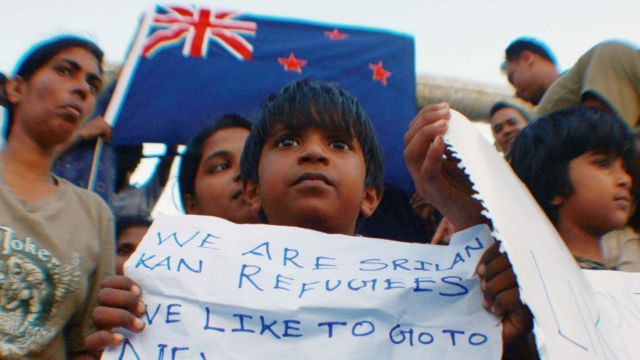
Imagine you suddenly get news that you and your loved ones are unsafe; that unless you leave your home in the next 10 minutes you risk persecution, detention or worse. What would you take with you? Where would you go? How would you get there?

A one-trillion-tonne iceberg has broken away from Antarctica and is now adrift in the Weddell Sea. Director of Victoria’s Antarctic Research Centre, Professor Andrew Mackintosh, comments on the science behind the event on Radio New Zealand.