
Earth Sciences
Earth Science graduates understand the earth's processes, from climate change and natural disasters to the impacts of economic development.
Geology students combine analytical and abstract reasoning and conceptual and critical thinking with scientific methodology and technology to explore the science and structure of the earth, the earth’s history, resources, and processes. They also examine related natural hazards and the sustainable use of Earth’s natural resources, and can combine aspects of Geology with a particular physics and mathematical approach to understand large physical phenomena, including weather and land movements such as glaciers, earthquakes, and volcanoes.
Roles and career pathways
Geology graduates may work as practising geologists for crown research entities, government departments, universities, and private companies involved in environmental, mining, oil, energy, and infrastructure projects. They may start in research assistant or associate roles before progressing to more senior roles. Graduates may also work in related roles such as technical advisers, science policy analysts, data scientists, environmental management consultants, land advisers, geotechnical engineers, or project advisers. Those who complete specialist courses in Geographic Information Systems Science may work as GIS technicians or analysts.
Geology graduates who combine their studies with Geography, Environmental Studies, Ecology, or Anthropology may work as sustainability advisers, resilience advisers, community development officers, procurement advisers, policy advisers, project monitoring and evaluation advisers, research analysts, and programme coordinators.
Postgraduate qualifications needed for specialist science roles
Postgraduate study in Geology or a postgraduate qualification in Natural Hazard Science and Policy, Environmental Science or Science in Society is recommended for science-related, research, policy or communication roles where in-depth analysis is important.
A PhD is often required for senior, specialised roles. Some with postgraduate degrees may specialise in their careers as oceanographers, seismologists, and volcanologists, though opportunities in these areas are limited in New Zealand.
Study and training in meteorolgy
Earth Science graduates with strong skills in Maths and Physics can apply for the meteorologist training programme at MetService NZ. This includes an internship component and completing a sponsored postgraduate qualification in Meteorology.
Teaching pathways
Students who study Geology with a second teachable subject, and complete a secondary school teaching qualification, can work as secondary school Science teachers. It is recommended that students also include some Biology or Chemistry courses as part of their degree if they intend to teach science. See Teaching and check the Wellington Faculty of Education Teacher Education programme for entry requirements.
Graduate career stories
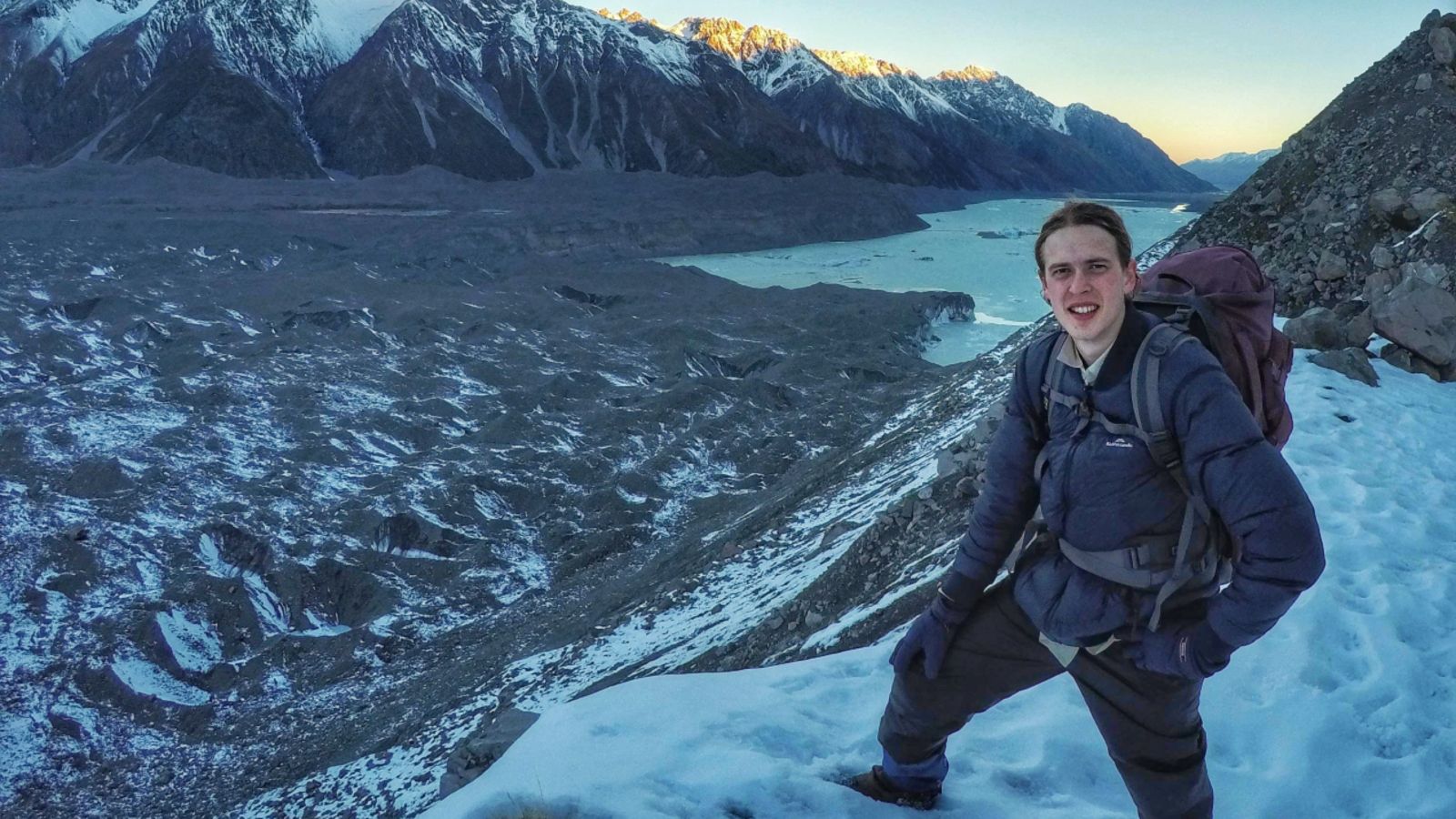
Clarrie Macklin
Studying Geophysics equipped Clarrie with the understanding of earth sciences, maths, and physics and the ability to communicate complex and diverse ideas.

Aitana Forcén-Vázquez
Field work at sea during a Physical Oceanography PhD rewarded Aitana with fresh perspectives on problem solving and critical thinking.
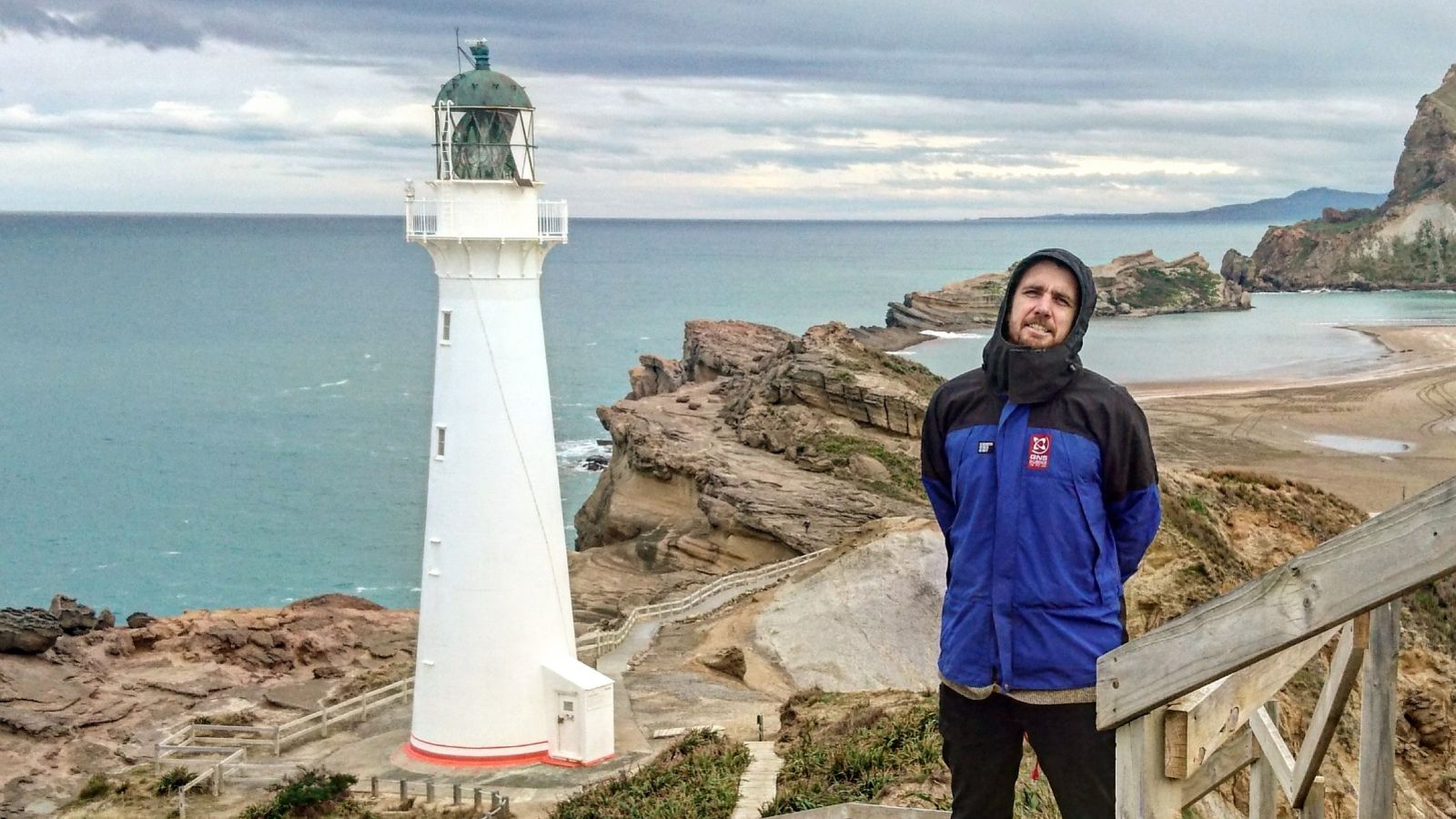
Tim McDougall
A decision to study Earth Sciences as a mature student after travel set Tim up for an exciting role as a geotechnical instrumentation specialist.
Where Earth Science graduates work
Geology and Geophysics graduates work across the private and public sectors with a focus on earth sciences. Recent graduates have worked in organisations such as:
- Beca
- Earth Sciences New Zealand
- Geotechnics Ltd
- Land Information New Zealand (LINZ)
- MetService
- Ministry of Business, Innovation and Employment (MBIE)
- WSP
Build relevant skills and experiences
Part-time work and volunteering during your studies all help to increase your job prospects when you graduate. Gaining work experience as a lab demonstrator, tutor, or research assistant during your studies is also a valuable way to gain relevant experience to increase your employability.
Crown research institutes may recruit summer interns depending on funding.
Te Herenga Waka—Victoria University of Wellington offers several Summer Research Scholarships where students assist a lecturer with a research project.
Make career connections
Making connections with individuals and groups during your degree can help you learn more about career and networking opportunities. Victoria University of Wellington Geology Society is a student-run club where Geology students can connect and learn about different networking and career opportunities.
The School of Geography, Environment and Earth Sciences seminar series offers opportunities to learn and connect with staff and students. There are also opportunities to network, learn, and get involved with postgraduate research with the three research centres based within the School: The Institute of Geophysics, the Antarctic Research Centre (ARC), and the New Zealand Climate Change Research Institute (CCRI).