
Marine Biology, Ecology and Biodiversity
Marine Biology, Ecology and Biodiversity graduates can apply creative and critical thinking skills to animal and plant sustainability and survival.
Ecology and Biodiversity students explore the biology and diversity of plants, animals and micro-organism on the earth and the interactions between them and their physical environments. Marine Biology examines similar areas with a focus on marine life, marine ecology and resources. Students from both programmes explore the impacts of evolution and global changes such as climate change and human behaviour.
Roles and career pathways
Marine Biology, Ecology and Biodiversity graduates work in a wide range of roles that have a connection to plants, animals and the environment.
Early roles in the science sector with an undergraduate qualification
Roles for graduates with an undergraduate degree could include jobs as:
- science officer
- aquaculture technician
- research assistant
- volunteer coordinator
- weed control officer
- pest control officer
- data administrator
- project coordinator
- laboratory technician.
The Ministry for Primary Industries (MPI) employs graduates as biosecurity officers and detector dog handlers to work on the borders at airports and shipping ports. New Zealand Customs Service employs customs officers to work at places of international arrival.
Graduates may also work in fisheries management as fisheries analysts, fisheries officers and in volunteer roles as fisheries observers.
Complementary study in Statistics, Mathematics, GIS Science or Data Science increase graduates’ quantitative data skillset which employers value highly for ecological work. Study in Geography, Development Studies or Environmental Studies can broaden employment opportunities for graduates in areas such as sustainability or impact assessment. Marketing, Māori Resource Management, Science in Society, Science Communication, Social Policy or Public Policy can increase graduates' skills and opportunities for work in community engagement and policy development.
Postgraduate study opens doors to more science roles
Postgraduate study such as a postgraduate diploma, Honours or Master’s degree is recommended for many scientific and policy roles in government departments or crown research institutes. These include:
- science advisor
- science communications adviser
- policy analyst
- research analyst
- programme manager
- data analyst
- statistical analyst
- research adviser.
There are limited opportunities for ecologists or marine biologists in New Zealand and they would normally require study at Master’s or PhD level and relevant local and overseas experience.
Marine Biology, Ecology and Biodiversity graduates, who also study a second teachable subject, and complete a secondary school teaching qualification, can work as secondary school Biology or general science teachers. They can also complete limited entry postgraduate study to enter primary or early childhood teaching. For more information see Teaching or the Wellington Faculty of Education.
Graduate career stories

Sian Moffitt
Skills developed through Sian’s ecology, biodiversity and environmental science studies were brought to life by her fieldwork and volunteering.
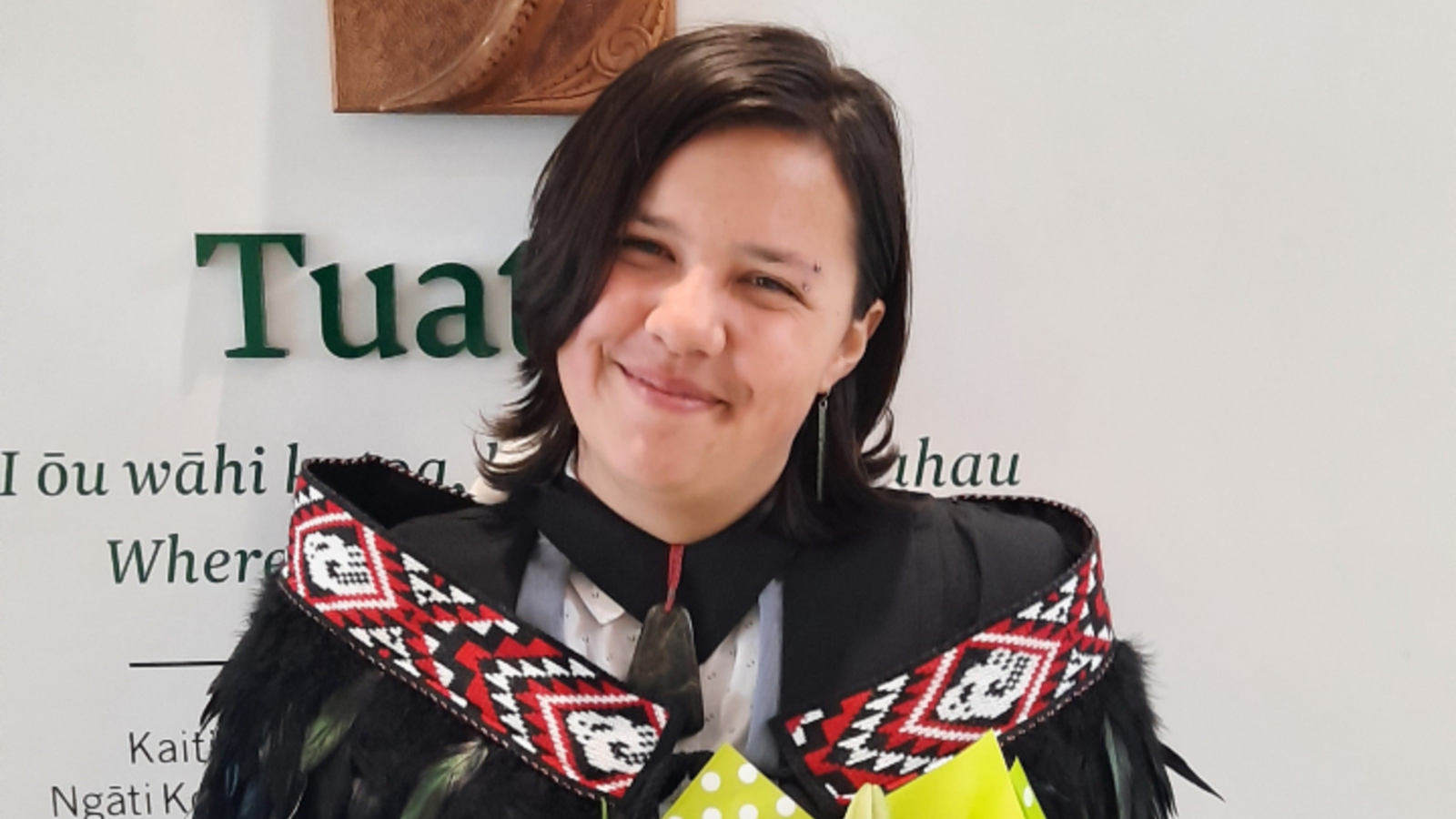
Jaye Barclay
A passion for ecology and biodiversity with a flair for writing and communication have led Jaye to exciting postgraduate science study and research.
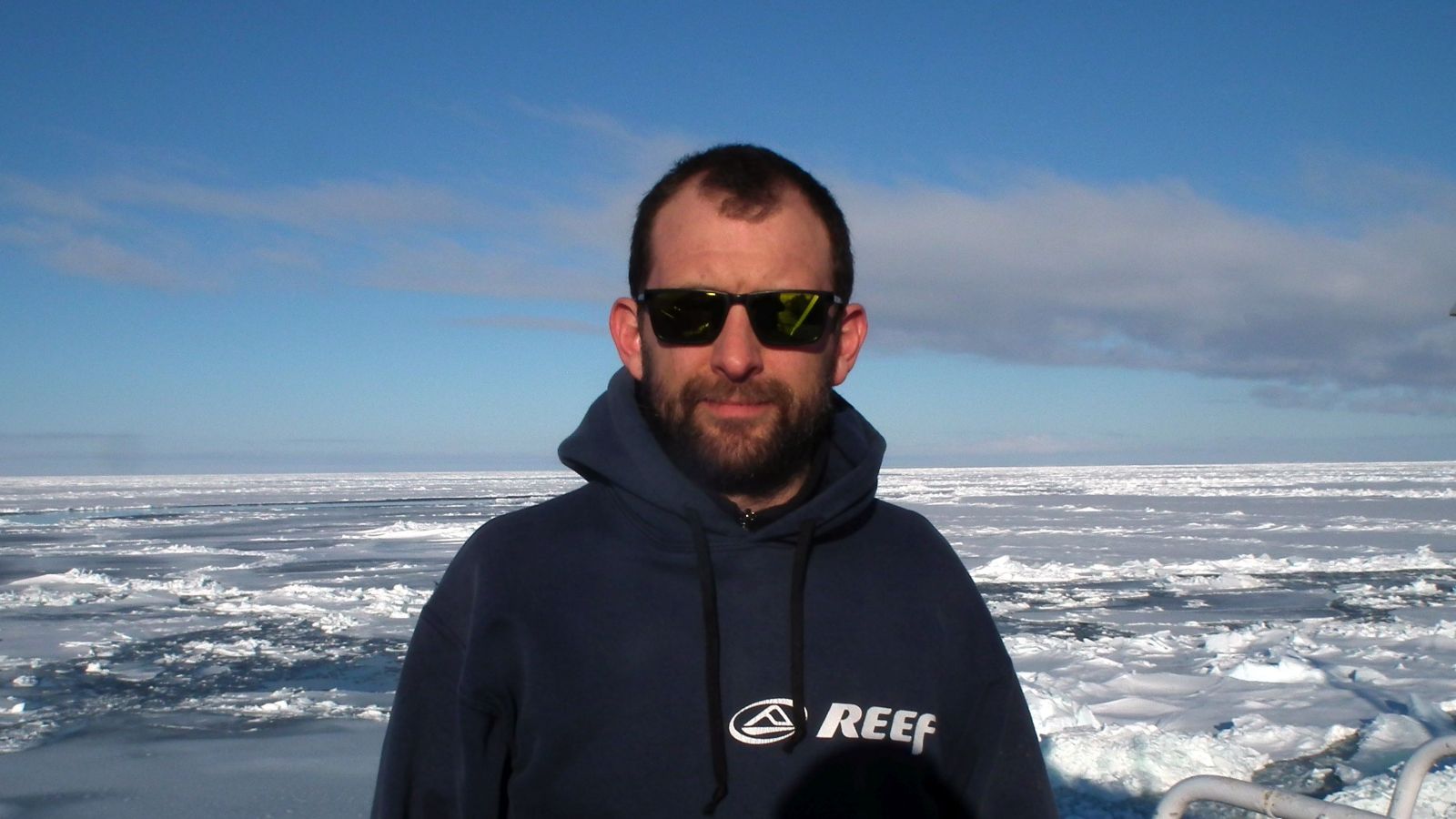
Flavio Mayorga
A long-held dream of working with the sea and protecting its resources inspired Flavio’s academic and professional journey in Marine Biology.
Where Marine Biology, Ecology and Biodiversity graduates work
Marine Biology, Ecology and Biodiversity graduates work across the public sector in large government departments, city and regional councils and science-based research institutes. They can also work for private companies such science and research facilities, medical research and corporate fisheries companies. Recent graduates have worked in organisations such as:
Build relevant skills and experience
Part-time work and volunteering during study all help to increase your job prospects when you graduate. Getting involved with Conservation Volunteers and local organisations like Zealandia, Forest and Bird, WWF, a suburban ecological restoration programme or the student-led club The Society for Conservation Biology - Victoria University of Wellington offer chances to meet like-minded people and gain new skills. Gaining research experience or lab demonstrator or lab assistant work at the university while studying is also highly beneficial. Limited science summer internships are offered at Crown Research Institutes (CRIs) which are advertised by Science New Zealand .
Make career connections
Making connections with individuals and groups during your degree can help you learn more about career and networking opportunities.
The Environment and Conservation organisations of Aotearoa New Zealand (ECO) is an umbrella organisation for a range of New Zealand organisations and they engage with interested people via social media, newsletters and events. The School of Biological Sciences hosts the Centre for Biodiversity and Restoration Ecology and the Coastal Ecology Laboratory in Island Bay which also offer students opportunities to network, learn and get involved in post-graduate research.Wellington Chamber of Commerce and Wellington Young Professionals offer various events and opportunities for networking.