
Geography
Geography brings together the social and natural sciences and graduates have skills in mapping, data analysis, and applied research.
Geography students study with a holistic, applied approach that bridges social and natural sciences to make a constructive difference to the world. They develop skills in quantitative and qualitative research methods, analysing and synthesising information, planning, and communication.
Human Geography students examine human behaviour and resources and issues such as globalisation, migration, and urban development. Physical Geography students examine the earth’s surface and forces that shape it such as climates, landforms, and plant and animal distributions.
Roles and career pathways
Geography graduates work in a wide range of roles that have a focus on the environment or society, using skills such as planning and research.
Human Geography can lead to a wide range of advisory, coordination and advocacy roles:
Students with a focus on Human Geography have worked in areas such as:
- community liaison officers
- volunteer coordinators
- development officers
- refugee support coordinators
- advocates
- immigration advisers
- logistics coordinators
- data or statistical analysts
- emergency management officers
- programme coordinators.
Physical Geography can also lead to technical roles
Students with a focus on Physical Geography may work in the above areas as well as in scientific, technical, or analytical roles, such as:
- environmental specialists
- cartographers
- supply chain analysts
- compliance officers
- land advisers
- resource consent planners
- transport analysts
- urban planners
- statistical analysts.
Roles for Geography graduates in the public sector
Government ministries employ Geography graduates as:
- policy analysts
- stakeholder relations
- communications
- research analyst
- advisors
- statisicians
First roles for graduates with undergraduate degrees may be in administration or coordination before progressing to an adviser or senior adviser in a policy team.
Postgraduate study leads to more senior and specialised roles
Postgraduate study in Geography such as an Honours or Master’s degree or in an applied Master's programme is recommended for policy and research roles, especially where specialised, in-depth analysis is important.
Geography graduates who also study a second teachable subject at undergraduate level and complete a secondary school teaching qualification can work as secondary school geography teachers or do postgraduate study to enter primary or early childhood teaching. For more information see Teaching or Wellington Faculty of Education Teacher Education.
Graduate career stories
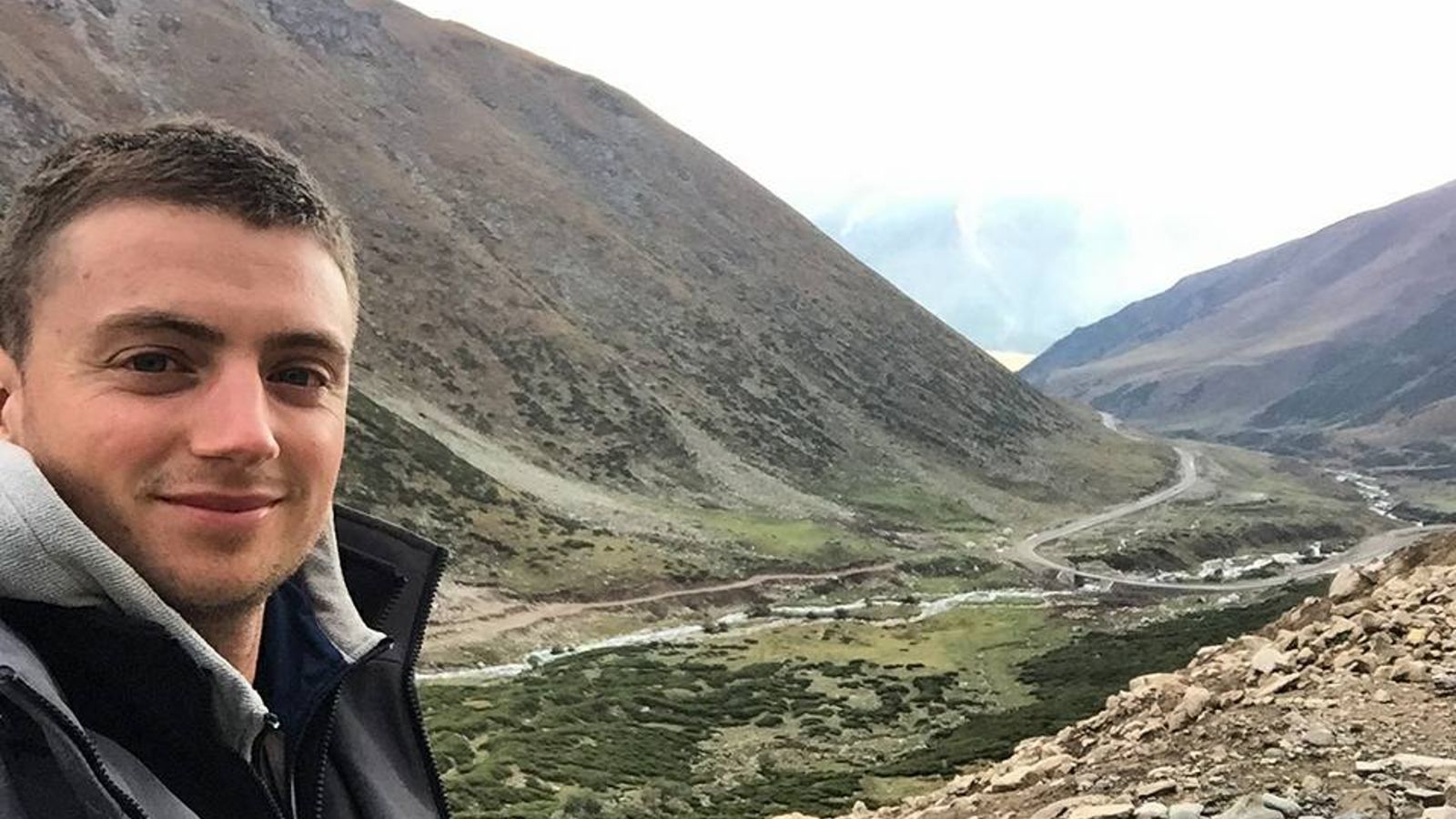
Kirk McDowall
Volunteer work and tutoring in Geography supplemented Kirk’s postgraduate study in the discipline, creating a foundation for his advisory work in government.
Where Geography graduates work
Geography graduates work across the private sector, including data mapping companies, power companies, global logistics and transport companies, public sector organisations, city and regional councils, and science-based crown entities. Recent Geography graduates have worked in organisations such as:
- Critchlow Geospatial
- Earth Sciences New Zealand
- Mainfreight
- Ministry of Business, Innovation and Employment (MBIE)
- Ministry for Primary Industries
- Stats NZ
- Wellington City Council
Build relevant skills and experience
Part-time work and volunteering during study all help to increase your job prospects when you graduate. The Kitea Impact Programme is a great way to gain voluntary and leadership experience in your interest area. The WFHSS Internship course run by the Wellington Faculty of Humanities and Social Sciences helps develop practical workplace experience.
Volunteer Service Abroad (VSA) runs the UniVol Programme, where students who are in their third or final year of study in Geography, Development Studies, Communications, or a related area can apply to complete a 10-month community-based volunteer assignment in the Pacific.
Make career connections
Making connections with individuals and groups during your degree can help you learn more about career and networking opportunities.
The New Zealand Geographical Society (NZGS) offers student memberships, regional branches, and special interest groups such as early career researchers. The Victoria Development Society is a student-led club concerned with issues of development, sustainability, and equality. They hold regular events around networking and career development. The New Zealand Institute of International Affairs also runs a programme of events, including a Careers Without Borders event in collaboration with Te Herenga Waka—Victoria University of Wellington.
The Antarctic Research Centre (ARC) and the New Zealand Climate Change Research Institute (CCRI) based at Te Herenga Waka’s School of Geography, Environment and Earth Sciences can offer opportunities to network, learn, and get involved in postgraduate research. The School also holds regular seminars to learn and network with staff and students. Wellington Chamber of Commerce and Wellington Young Professionals also offer various events and opportunities for networking.