
Institute for Governance and Policy Studies

Active from 1983 to 2023, the IGPS was a public policy think tank that worked to lift environmental, social, and economic outcomes for New Zealand.

Banner image – A timelapse of people crossing the road at a busy intersection.

About the Institute

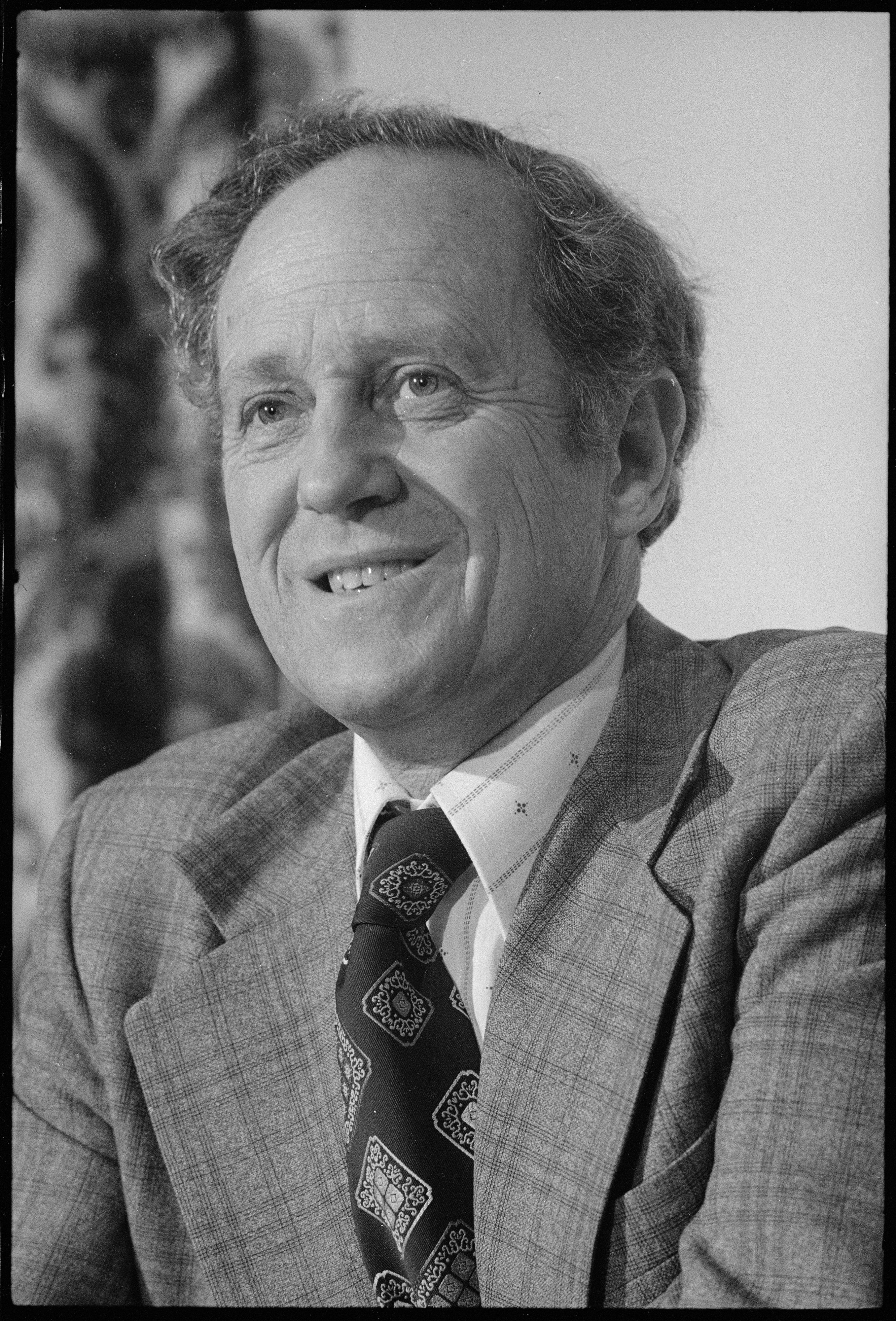
A profile image of Frank Holmes from the national library.
Frank Holmes

The aim of the Institute for Governance and Policy Studies was to deliver independent, high quality, high-impact scholarship and discussion that made a real difference to people’s lives. Its goals were to:

  • improve the way policy development and implementation work in this country
  • make our thinking easily accessible to the public
  • achieve greater well-being and a more environmentally sustainable and socially equitable society for all New Zealanders.

Aim and mission

The aim of the Institute for Governance and Policy Studies was to deliver independent, high quality, and high-impact research that would inform the policy-making process and influence policy development and implementation across a number of significant areas.

While such research focused mainly on issues of direct relevance to New Zealand and its citizens, it also (where appropriate) had an international and comparative dimension. Whatever the precise nature of the research, it related to one or more of the Research Objectives of the Institute and supported its role as the critic and conscience of society.

Research objectives

  1. To enhance the quality of public body decision-making.
  2. To contribute to the improvement of public management and governance in New Zealand and Internationally.
  3. To carry out independent public policy research in order to achieve better social, environmental and economic outcomes for the benefit of all New Zealanders.
  4. To seek through the Institute’s various programmes and activities to help solve (or at least ameliorate) some of the big policy problems facing contemporary governments).
  5. To deliver independent, high quality and high-impact research that informs and influences the policy-making process.

Outcome objectives

  1. To influence policy development, management and implementation in order to achieve better outcomes for New Zealanders and New Zealand.
  2. To widely disseminate the findings from research projects to better inform elected representatives, officials, policy-makers and the general public.
  3. To engage with the community through regular news releases and media commentary, workshops and public seminars.
  4. To have Institute staff and associates contribute to public debate in areas where they have relevant expertise, including preparing submissions on government bills and discussion papers.
  5. To raise the profile and public standing of the University and of the School of Government.

Research areas

  • IGPS conducted research projects on a range of specific policy issues that related to one or more of the Research Objectives of the Institute, including Central Government, Local Government and the community and voluntary sectors
  • IGPS examined arrangements across all levels of government and at the various stages of the policy process (e.g. agenda setting, problem definition, policy formulation, decision-making, implementation, evaluation and, where relevant, termination)
  • IGPS advised on decision-making measures which could be used to ensure that all relevant facts are taken into account and that decisions are made in the best long term interests of all New Zealanders.
  • IGPS worked on constitutional issues and public management.

Priority was given to research on issues where it appeared that vested interests were trying to get or retain advantages for themselves and so there was a need for the wider interests of all New Zealanders to be taken into account.

Research included topics involving social trends, social equity, education, child poverty, immigration, public health, conservation, and the environment.

The extent of the research undertaken was at times constrained by the evolving policy context (i.e. what is politically salient and important in terms of potential, social, environmental, or economic impacts) and by the availability of funding and the capacity of the Institute’s staff to carry out the work.


Other publications

Who do we trust in New Zealand?

The cover of Who do we trust in New Zealand, with blurred people and a traffic light

Simon Chapple & Kate Prickett

In the wake of the Christchurch mosque shootings, the IGPS conducted a major survey to measure New Zealanders' trust in each other and in public institutions. Here we present our findings, drawing comparisons with our earlier surveys, as well as the results of newly added questions on religious groups and gun ownership. Has Christchurch changed how we see each other?

Read the publication

Foresight, Insight, and Oversight

A book cover, with a photo of the Beehive.

Jonathan Boston, David Bagnall, and Anna Barry

The focus of this report is on the scrutiny functions of the legislative branch of government, and more specifically on how the New Zealand House of Representatives scrutinises the quality of the nation’s long-term governance and stewardship. The purpose, in short, is to review how our Parliament currently undertakes its oversight responsibilities, explore overseas approaches from which New Zealand might learn, and consider possible
improvements.

Read the publication

With Respect

A plain text cover of With Respect

Mark Prebble

An insider's analysis of the relationship between parliamentarians and public servants. (Judges are there too; it turns out there are more than two parties in the relationship between officials and politicians.) Constitutional
issues are covered, but the text focuses more on the pressures on people as they work in different parts of government.

Read the publication