
The perfect brew of science, business, and society
As demand for non-alcoholic drinks increases worldwide, research from the School of Marketing and International Business is supporting a cross-disciplinary project to explore new ways to brew flavourful non-alcoholic beer and wine.
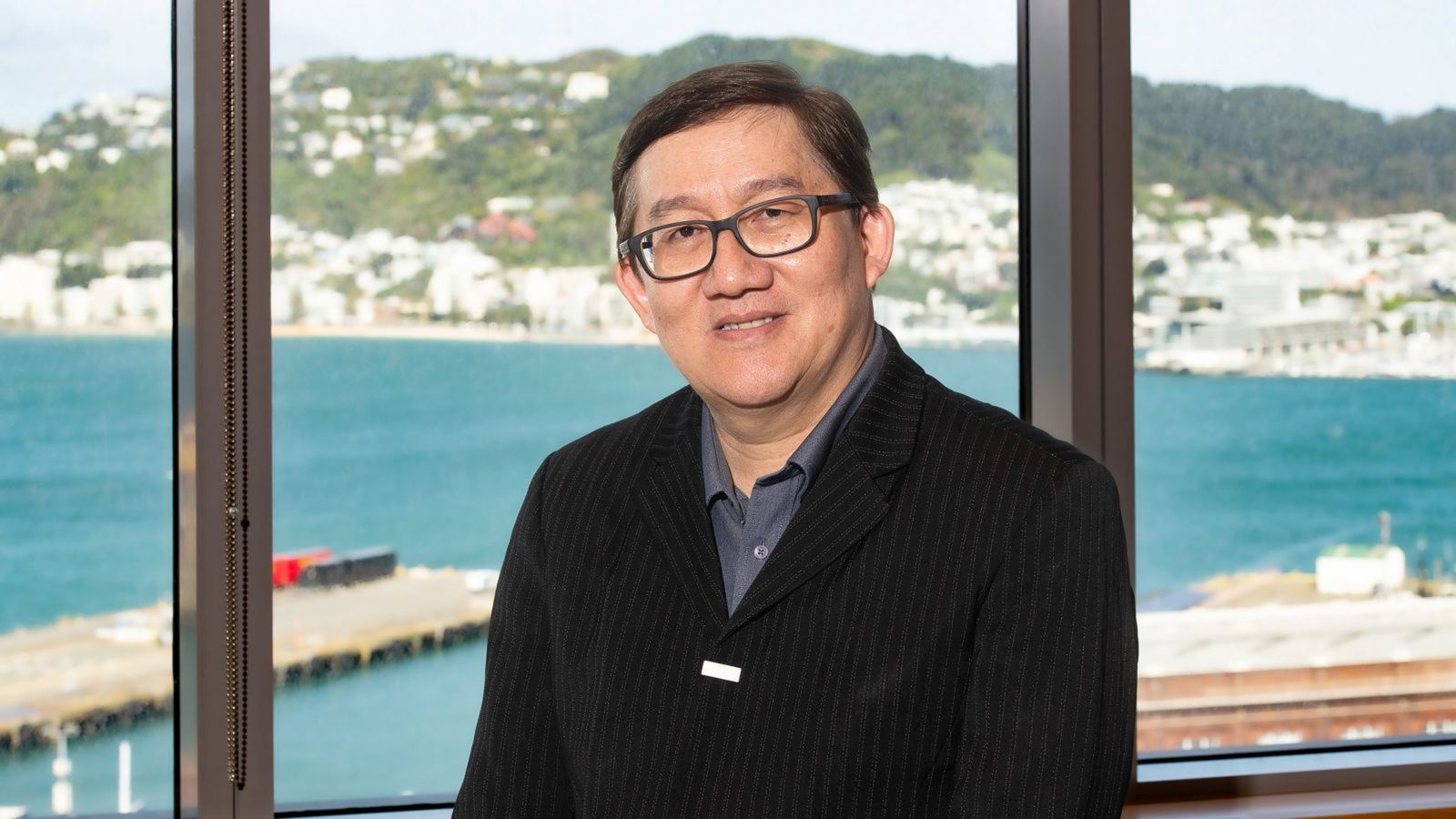
Associate Professor Fandy Tjiptono is bringing the consumer perspective to the table, using his expertise in consumer behaviour, branding, and marketing strategy. “You can come up with the most innovative product in the world,” he says, “but if consumers don’t like it, what’s the point?”
Led by Associate Professor Simon Hinkley of Te Kāuru Ferrier Research Institute and Dr Peter Bircham of the School of Biological Sciences and Garage Project, the project is researching new ways to create non-alcoholic wine and beer, which currently require expensive machinery and yeasts to produce.
The project is one of two University projects supported by MBIE’s 2025 Endeavour Fund. The wider research team also includes researchers from the University of Auckland and Waikato University, and industry partners the Bragato Research Institute, Garage Project, leading NZ wineries, and yeast producers.
Fandy and his team have been gathering both primary and secondary data—analysing global market trends, and running surveys across campuses, libraries, and even pubs. The findings have been revealing.
Consumers often see non-alcoholic beer as healthier, but they also perceive it as more expensive than alcoholic beer—even when the price is identical. “Perception is more important than reality,” Fandy says. “If you order a burger without cheese and pay the same price, you’ll feel short-changed. The same applies here. Consumers don’t care about the complex science behind removing alcohol. They only care about what’s in front of them.”
This insight underscores why funders now look for projects that can demonstrate market awareness and acceptance. “Marketing is bigger than advertising or promotion. It starts and ends with consumers. Our job is to connect production and consumption, so research has a real impact,” he says.
Working alongside scientists and brewers has also been a learning experience. Survey design and consumer insights were new territory for some of his collaborators, while chemistry and yeast biology were new for him. “We realised how complementary our perspectives are. The science ensures innovation, marketing ensures acceptance, and public health ensures social benefit. Together, that’s what makes a strong case for funding and impact.”
For Fandy, the project is also a reminder that marketing is connected to wider social issues. Non-alcoholic alternatives, for example, may play a role in reducing the harms of alcohol while still meeting cultural and social expectations. “The ideal solution might be not to drink at all, but the reality is that beer and wine are cultural products. Non-alcoholic versions can be a bridge to support social interaction while lowering risks.”
It’s this belief in the power of consumer research to shape not only business strategy but also public outcomes that drives his teaching. “I want students to see marketing not just as tools for selling, but as a way of understanding people and contributing to solutions—whether it’s sustainability, health, or new technologies.”
And looking forward, he sees cross-disciplinary collaboration as the future of impactful research. “Not every project can be interdisciplinary, but when you bring diverse perspectives together, you create something stronger. That’s what makes the Garage Project collaboration so exciting.
“It’s not just about brewing beer. It’s about showing how science, business, and society can work together.”