Animal ethics approval is required for all research and teaching involving animals at Te Herenga Waka—Victoria University of Wellington.
Animal research and teaching at the University supports important work in areas such as conservation, health, biomedical research, cancer, and drug discovery.
The University operates under a Code of Ethical Conduct approved by the Ministry for Primary Industries, which sets out the standards and processes for animal research and teaching.
Under the Code, the University must have an Animal Ethics Committee (AEC), which is able to approve research or teaching on animals.
The Animal Ethics Committee and how animal research is approved
All research and teaching activities involving animals must be reviewed and approved by the Animal Ethics Committee before they can begin.
Our Committee includes representatives from the University, the New Zealand Veterinary Association, animal welfare organisations such as SPCA, the wider community through the Wellington Regional Council, and scientific and technical experts from research organisations, ensuring that animal welfare, scientific and regulatory standards are met.
When reviewing an application, the Committee considers:
the scientific or educational benefits of the project
the likely impact on animal welfare
whether the 3Rs have been followed appropriately
the competency and training plans of the people carrying out the research.
The Committee continues to monitor approved projects, facilities, and animal welfare outcomes throughout the life of the research.
Animals in research and teaching at the University
Research involving animals can help us better understand how both animal and human bodies work, supports the development of new medicines and treatments, and contributes to the conservation of New Zealand’s unique wildlife.
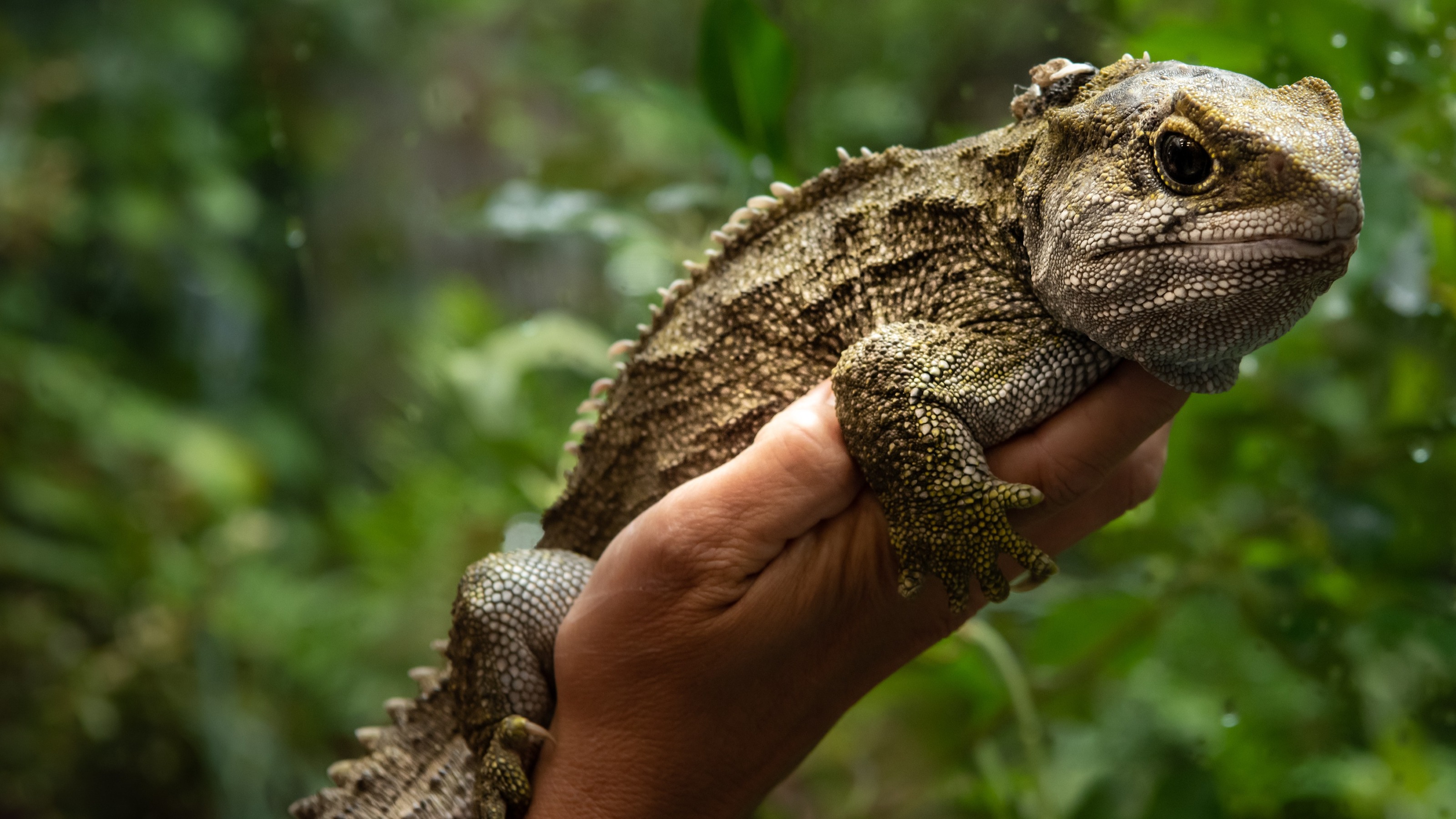
Tuatara under the care of trained University staff
The University has programs of field-based research looking at the conservation of native fish, frogs, reptiles, and birds. We also undertake programs of research in the fields of immunology, cancer, ageing, and new drug discovery.
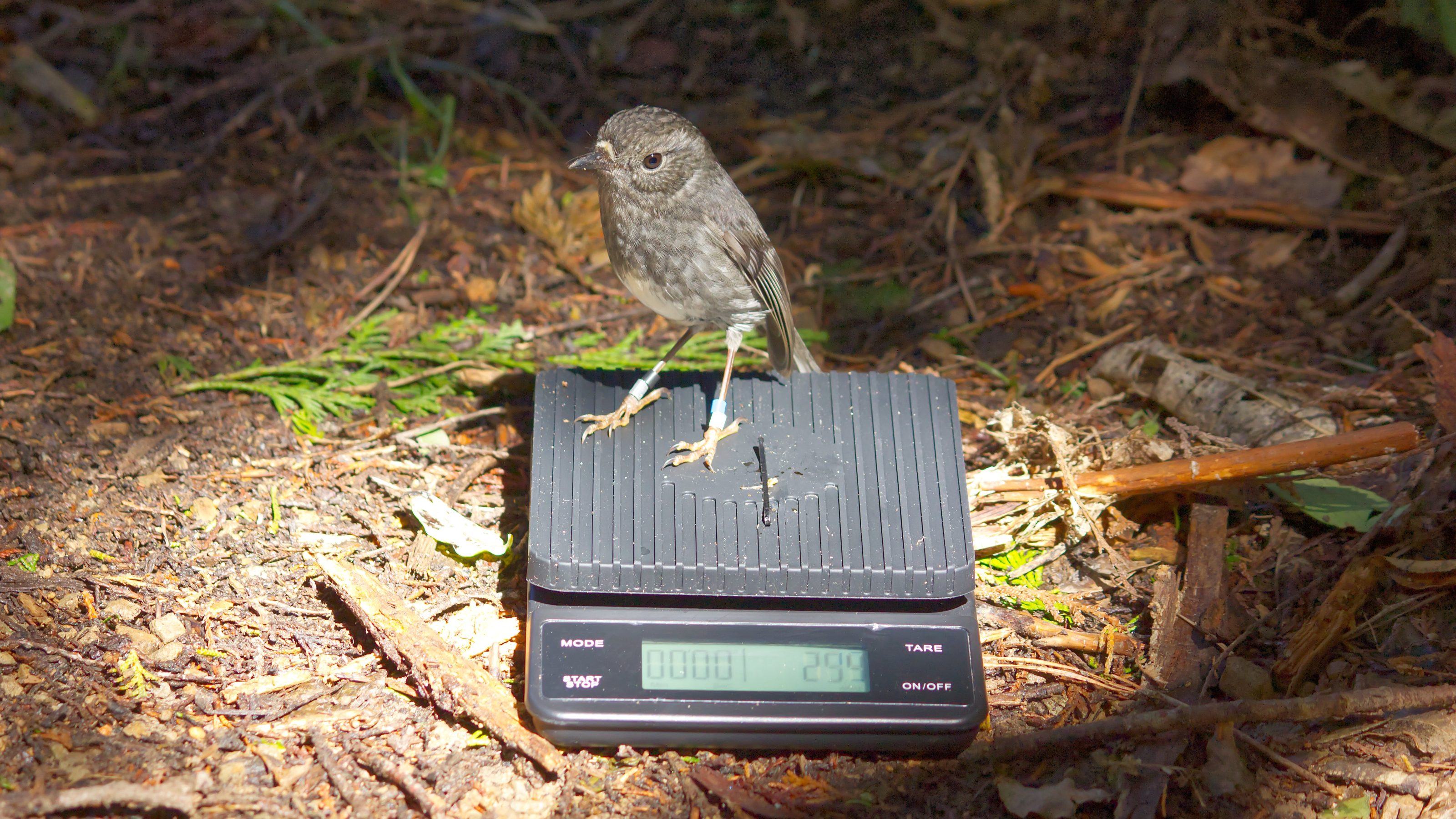
New Zealand robin (toutouwai) participating in field research
In some cases, animals are used for teaching purposes where this provides significant educational benefits that cannot reasonably be achieved through alternative methods. Wherever possible, alternatives such as models, diagrams, videos, and simulations are used.
Animal welfare and the 3Rs
Research with animals is only carried out where there is no alternative. All researchers are expected to follow the principles of the 3Rs: Replacement, Reduction, and Refinement.
Replacement
Replacing animals with alternative methods such as models, videos, simulations, or computer-based learning tools wherever possible.
Reduction
Using the minimum number of animals necessary to achieve meaningful scientific or educational outcomes.
Refinement
Improving procedures and animal care practices to minimise pain, stress and discomfort.
Our approach is guided by the Five Domains Model of ethical animal care:
Nutrition: good nutrition and access to clean water
Environment: comfortable living environment including shelter, appropriate temperatures, and good ventilation
Health: good physical health and veterinary care
Behaviour: opportunities to move freely and interact socially with other animals
Mental state: overall emotional and psychological being.
Researchers and technicians are trained to check for signs of illness, pain or distress, and take appropriate action when required. Any unforeseen events involving animal welfare are reported to the Animal Ethics Committee so they can consider any actions that may be needed.
All researchers and lab technicians are trained to handle the animals as gently as possible and to keep noise levels to a minimum in the animal rooms to minimise stress and discomfort.
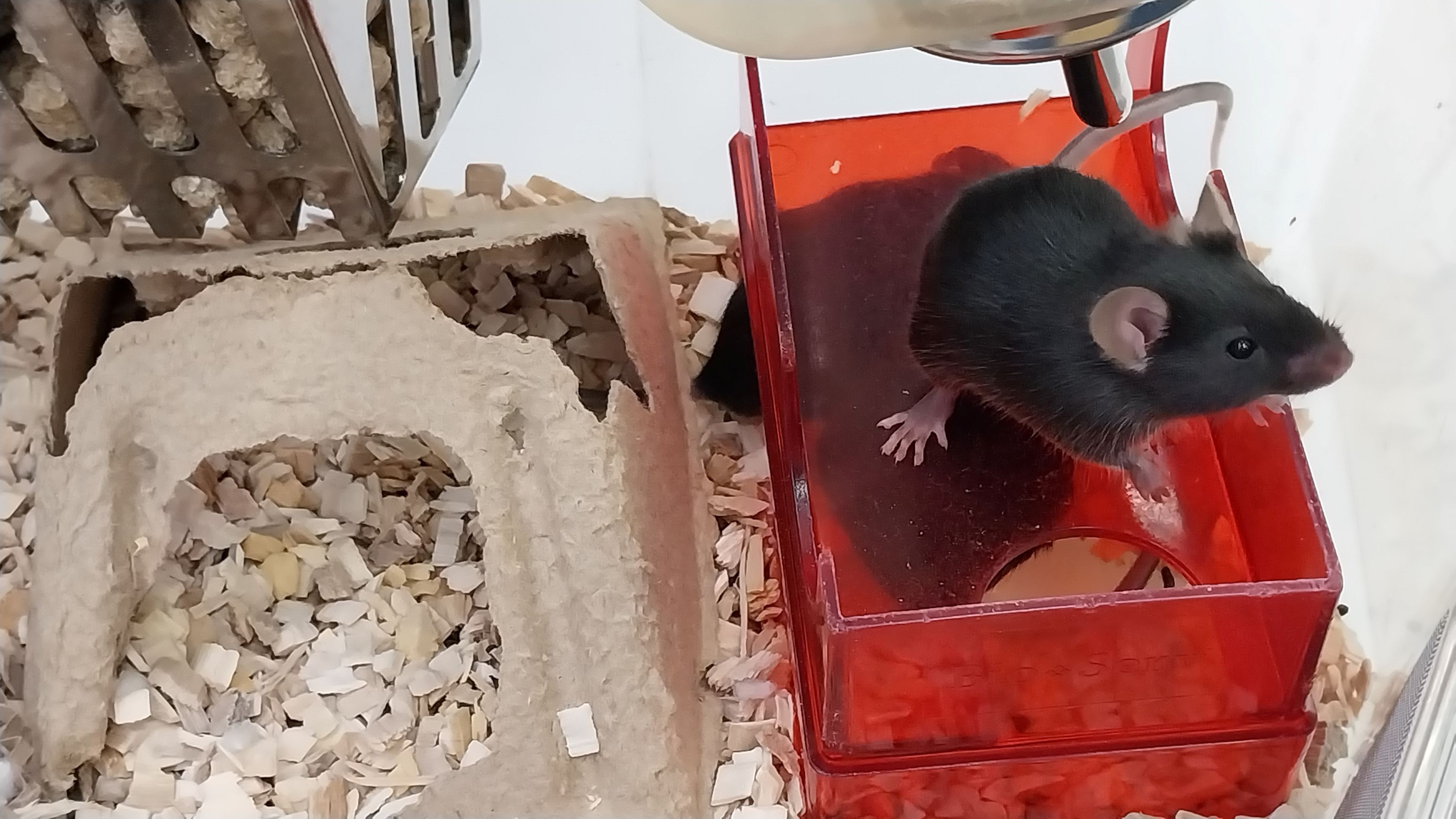
Mouse enclosure in the University’s Small Animal Facility
The impact of research on animals
All approved research and teaching activities are assigned an impact grade based on their expected effect on animal wellbeing. These range from Grade A (little or no impact) to Grade E (very high impact).
In 2025, most projects conducted across New Zealand are categorised as low or moderate impact, with none falling into the highest impact category.
Every year, the Animal Ethics Committee reports statistics relating to animal use for research and teaching in the University which is publicly available on the Ministry for Primary Industries website.
From 2023 to 2025, most animal research and teaching activities were assessed as having little impact on animal wellbeing (58.6%). A further 26.1% were categorised as having no impact, 14.7% as moderate impact, and only 0.6% as high impact.
Our commitment to the openness agreement
The University was an inaugural signatory to the Australian and New Zealand Council for the Care of the Animals in Research and Teaching’s Openness Agreement on Animal Research and Teaching in New Zealand.
Through this agreement, we are committed to openness, public engagement, communication with tangata whenua, and annual reporting on the use of animals in research and teaching.