

My exchange was at UCLA, which is one of the University of California campuses, and also, unfortunately one of the most expensive campuses/cities to live in. However, I was very lucky to find the co-op and wanted to share some insider info for anyone going to UCLA on exchange, because I couldn’t recommend the co-op more.
What is a co-op?
The co-op is not affiliated with UCLA, but you have to be either a student or staff at a university in the LA area to live there. It is located right next to campus (only a 5min walk) and is surrounded by other student houses, apartments, and of course the frat houses. The co-op houses around 400 people and operates largely like the dorms, except for a few key differences. In any of your accommodation options you will have at least one other roommate, and that is just the nature of living in LA.
The financial benefits of living at a co-op
The main selling point of the co-op is the price, and I’ve done a price comparison below so that you don’t have to!
| On-Campus Dorms (includes meals) | US$1,500+ per month |
| Off-campus University Apartments | US$950+ per month |
| Off-Campus private accommodation (based on an estimate by a friend) | US$930(ish) per month |
| UCHA Co-op (includes meals) | US$650–700 per month |
As you can see, the co-op is easily the cheapest option, and the big draw card over the apartments and private rentals is that all meals are included. If you think the cost-of-living crisis in New Zealand is bad, it’s nothing compared to LA, especially with our exchange rate. Feeding yourself can be so expensive, and I was saving myself hundreds of dollars each month by staying at the co-op, as opposed to some of my friends who weren’t. (And the food is actually decent, way better than NZ Halls.)
Life in a co-op
You might be thinking, this sounds too good to be true, how is this possible? The reason they can offer cheap prices is because it is cooperative living and is not for profit. The co-op mostly does not hire staff to run the facilities, clean, cook or pay security guards (except for 3 chefs and 2 facilities managers). The majority of the running of the place is done by co-opers themselves. This means that everyone who lives there has a mandatory weekly chore shift of 4 hours (either in the kitchen, facilities, security, mailroom, front desk for example). You also have to complete bathroom cleaning shifts 3–4 times per quarter (but this only takes about 15 mins each time). Despite these shifts, you still save so much time as opposed to living in a flat, because all your meals are cooked for you (no meal prepping needed!), the place is cleaned regularly, and you can request any maintenance and repairs and it will get done for you.
I will say that the co-op is definitely old and run down, that’s the nature of living in a place which is more than 100 years old and run entirely by students. However, for the price you are paying it is definitely worth it to live there temporarily. You can also work extra shifts if you want to and can earn around US$14 an hour, which is great because its flexible and under-the-table.
Making friends
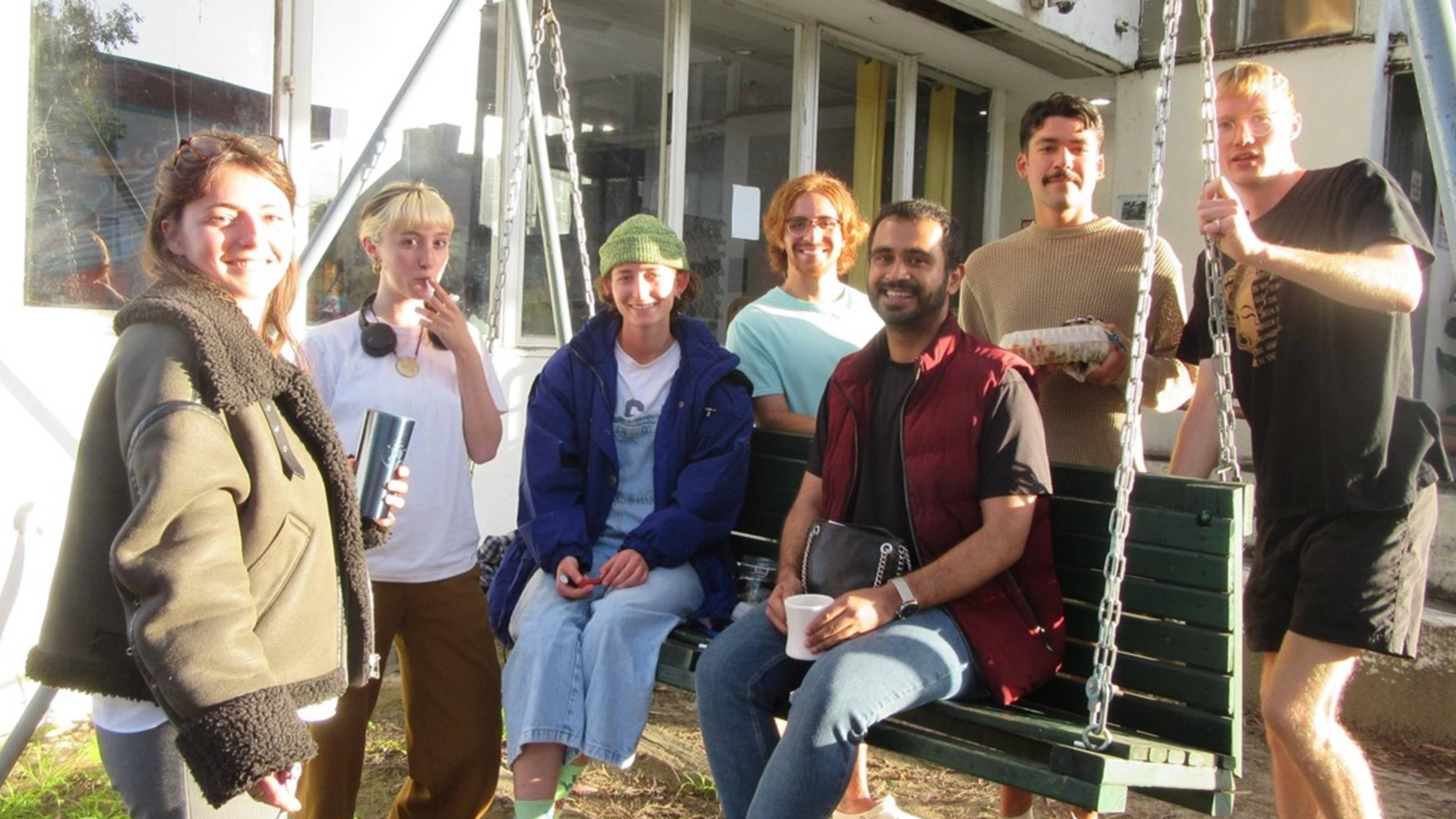
The other reason I loved the co-op was the social aspect. I was able to make friends almost instantly. On my first night arriving straight from my 15 hour flight, I was immediately invited to go see a movie that night with people I met at dinner. The majority of people in the co-op are international students, but there are also regular American students, transfer students, staff members at UCLA and even some high schoolers. This means that there is a huge range of ages which I appreciated. I was personally afraid of living in the dorms with a bunch of 18 year olds (I am 23), especially since the drinking age here is 21. But the co-op mainly has people in their early-mid 20s and even some people who are even older. There are also events and parties thrown all the time by the social committee, which is a great way to meet people. Most of my friends I made on exchange were from the co-op as opposed to from classes.
Overall, I think it was the best option for me, many of my friends who lived in other places ended up moving to the co-op because they saw how much I liked it. I made friends from all over the world just like me who also wanted to explore California, and there is a real sense of community. I know that some other campuses like UC Berkely also have cooperative housing options, but I don’t know much about them, so you’d have to do your own research about those.
If you have any further questions, contact the exchange office and I’m happy to have them give out my email address. For more information on the co-op visit their website.