Tell us a bit about University of Hawai'i at Hilo (UH Hilo)
UH Hilo is very unique! While most schools will claim that they are different from everyone else, our location truly makes us different. The Island of Hawai'i, the largest in the Hawaiian island chain, is home to two active volcanoes, more than 11 climate zones, the highest point in the Pacific Ocean and green, black and white sand beaches. While these attributes make Hawai'i Island a great vacation destination, they also make it ideal for education in the natural sciences. The tallest point in the Pacific, Mauna Kea (translates to "White Mountain" in English) is home to 12 telescopes representing the national telescopes of France, Canada, Taiwan and Japan as well as NASA. It is considered the premier location in the world for astronomical study due to its low humidity, remote location, and high altitude. As a result, much of the world's most advanced astronomical work is done here and our Astronomy department takes full advantage of the unique opportunities offered by the facilities on Mauna Kea.
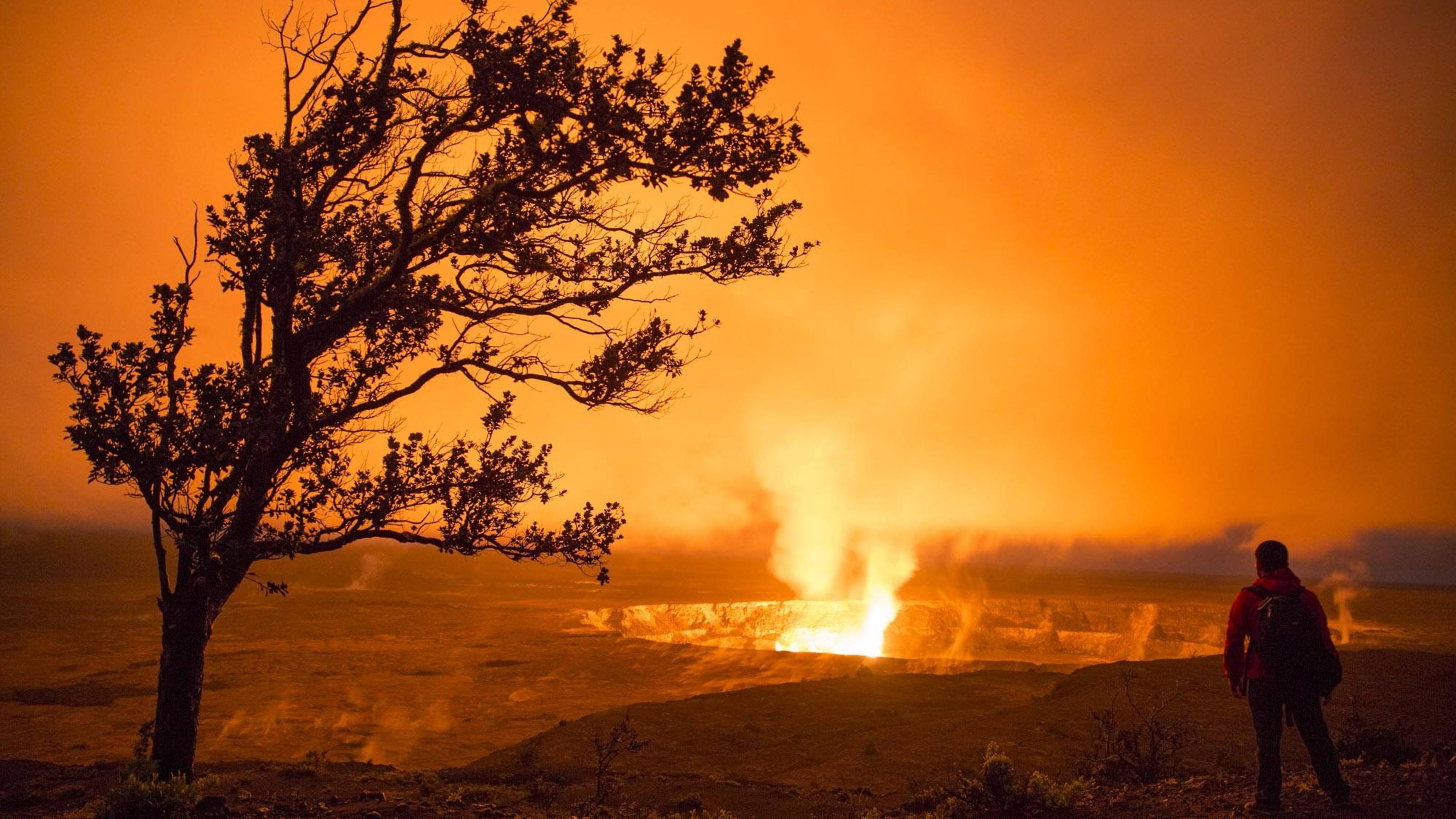
Active volcanoes
In addition, our active volcanoes, Kilauea and Mauna Loa, offer the chance to study geological change in real time. Kilauea has remained active over the past 40 years with small eruptions throughout the year. In 2022, Mauna Loa erupted for the first time in more than 40 years. While these volcanoes don't present a threat to Hilo due to their remote locations, they provide outstanding opportunities for geological research.
Our Marine Science program is considered one of the best in the U.S. and is a very competitive major for admitted students. The ocean surrounding Hawai'i is rich in sea life with deep ocean off the east side of the island where whales swim in the winter months and coral reefs off the west side of the island. At UH Hilo, we focus on using the island resources as an outdoor classroom and natural laboratory. Students take field trips to view ongoing volcanic eruptions, work with astronomers on Mauna Kea, and do research in the ocean using the university's research boat.
Language and culture
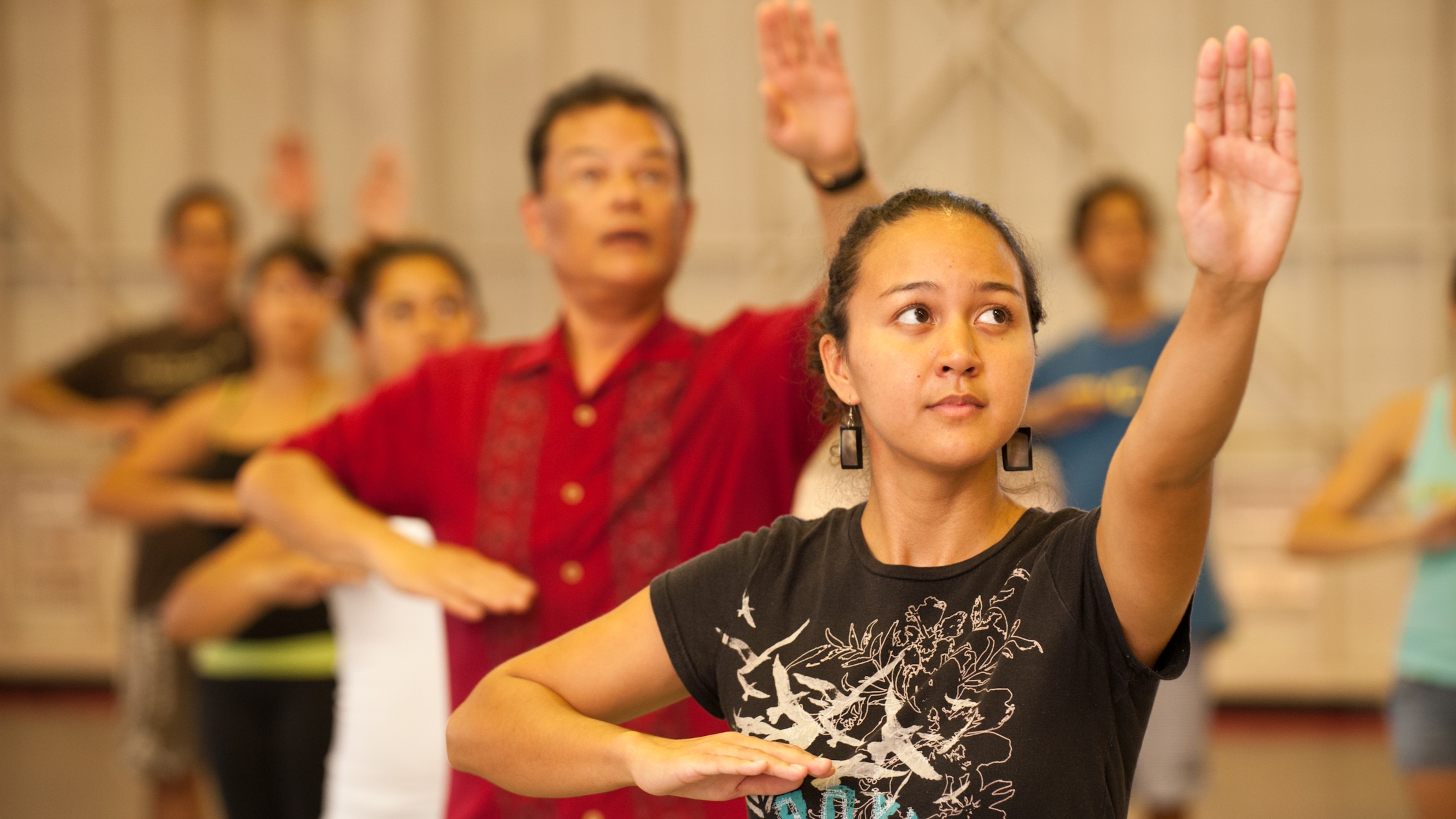
Natural Sciences are not the only draw for students to Hawai'i Island. Considered the home of indigenous Hawaiian culture, our College of Hawaiian language offers undergraduate to PhD degrees in Hawaiian language and cultural resource management. As one of the global leaders in indigenous language revitalization, our College of Hawaiian Language has worked closely with their Maori cousins in New Zealand to revitalize language and indigenous cultural values in contemporary cultures across the Pacific. Exchange students are strongly encouraged to take classes in Hawaiian language and culture to enrich their knowledge of the indigenous culture that is a critical part of understanding modern Hawai'i. You can see, on our exchange website, the types of classes in Hawaiian language, culture, history, and environment that are recommended for exchange students.
The town of Hilo is small but not too small. Known for its safety and aloha spirit, Hilo is miles away from the congestion and crowds of Waikiki. Located in a natural rain forest, Hilo has a mixture of warm rain and brilliant sun while having moderate temperatures year-round. The UH Hilo campus is part of the University of Hawai'i state university system, but has the feel of a small, private college.
With an enrollment of about 2,750 students, on-campus dormitories, and students from all over the U.S. and world, UH Hilo is like a small United Nations where it is easy to get know other students and participate in campus life. Exchange students can take classes from any major, join campus clubs, participate in weekend trips across the island through our Student Life Center, get a scuba certification, meet UH Hilo study abroad students through our Global Exchange Buddy Program, and join the host family to learn more about the Hilo community.
For more information about what makes Hilo and UH Hilo special, please visit the Incoming Exchange website, the International Student Services website, the UH Hilo News website, and the Hawaii Tourism Authority website.
What is it like living in Hilo?
Living in Hilo is like living in a cross between California and Southeast Asia. Due to the tropical climate, our houses and public spaces are very open to the outside. Students walk across campus under outdoor, covered walkways and many buildings are open to the cool ocean breezes that make Hilo the most comfortable part of the state.
Hilo doesn't have a large population (about 45,000 people) but is spread out over a wide area. Students can use bikes to go to our downtown area in about 10-15 minutes which has restaurants, tourist shops, a theater, and a very popular Farmer's Market. The beach is about a 20-30 minute bike ride from campus. Our beaches have black sand and are very popular with the large sea turtles that populate our coast. During the winter you can also see whales and dolphins jumping in the water. Because Hilo is small and many people who live here know each other, people are friendly and less guarded than in big cities or much larger universities.
While we have public buses, they aren't the most convenient, so most students get around by joining school trips and shopping shuttles, get rides with local friends who have cars, use Uber and Lyft, or ride bikes. Also, at night, Hilo is very dark. Due to the telescopes on the top of Mauna Kea, Hilo has special streetlights to limit the amount of ambient light that might impact the astronomical research. That and our relative isolation make for very dark skies and amazing star gazing on clear nights. If students are from large cities like Tokyo or Seoul, they sometimes find the dark frightening when they arrive. However, many of those same students say, as they prepare to leave Hilo, that what they will miss the most is the quiet, and pitch black skies filled with stars from the Milky Way. There is a certain tranquility and slow passage of time on our island that makes Hilo unique in our face-paced world.
What are your tips for students considering an exchange to UH Hilo?
As long as students prepare in advance, carefully read emails from the university, and ask questions, going on exchange to UH Hilo is easy. We have an online application that can be done in less than 30 minutes. Our application also requires some supplemental documents such as a passport and proof of financial support. Once students have been nominated by VUW, completed the application process, and been accepted, they will start receiving emails to prepare for the things that need to be done before leaving and what will happen upon arrival. Most students select to live in one of our five on-campus dormitories. Since we have adequate housing for all students who choose to live on campus, students are usually able to get on-campus accommodations if they choose.
It is important to start preparations early. While preparing to go abroad can seem overwhelming, much assistance is available to make the process manageable. Students should check out the links on our website to learn more about Hilo and do some reading before leaving to get an understanding of Hawai'i and the unique culture resulting from layers of immigration over a rich indigenous culture. I have listed some entertaining reading for those who are curious and have the time.
- Shoal of Time: Gavan Daws
- Shark Dialogues: Kina Davenport
- Shark in the Time of Saviors: Kawai Strong Washburn
- Hawai'i: Mark Panek
- Daughters of Fire: Tom Peek
- Wild Meat and the Bully Burgers: Lois-Ann Yamanaka
- Bones of Hilo, Eric Redman
Learn more about the Wellington Global Exchange Programme.