
Finding answers in unexpected places
Professor Anne La Flamme is trialling repurposed drugs to treat multiple sclerosis, with a goal of reversing damage caused by the debilitating disease.
Multiple Sclerosis (MS) is an autoimmune disease that attacks the central nervous system and interrupts the flow of information in the brain and between the brain and body. Two and a half million people, including more than 5,000 New Zealanders, are living with the progressive disease, which causes pain, muscular spasms, weakness, and problems with coordination and balance.
There’s currently no cure available for MS, but Professor Anne La Flamme and her research team at Te Herenga Waka—Victoria University of Wellington are making significant steps towards uncovering much-needed potential treatments.
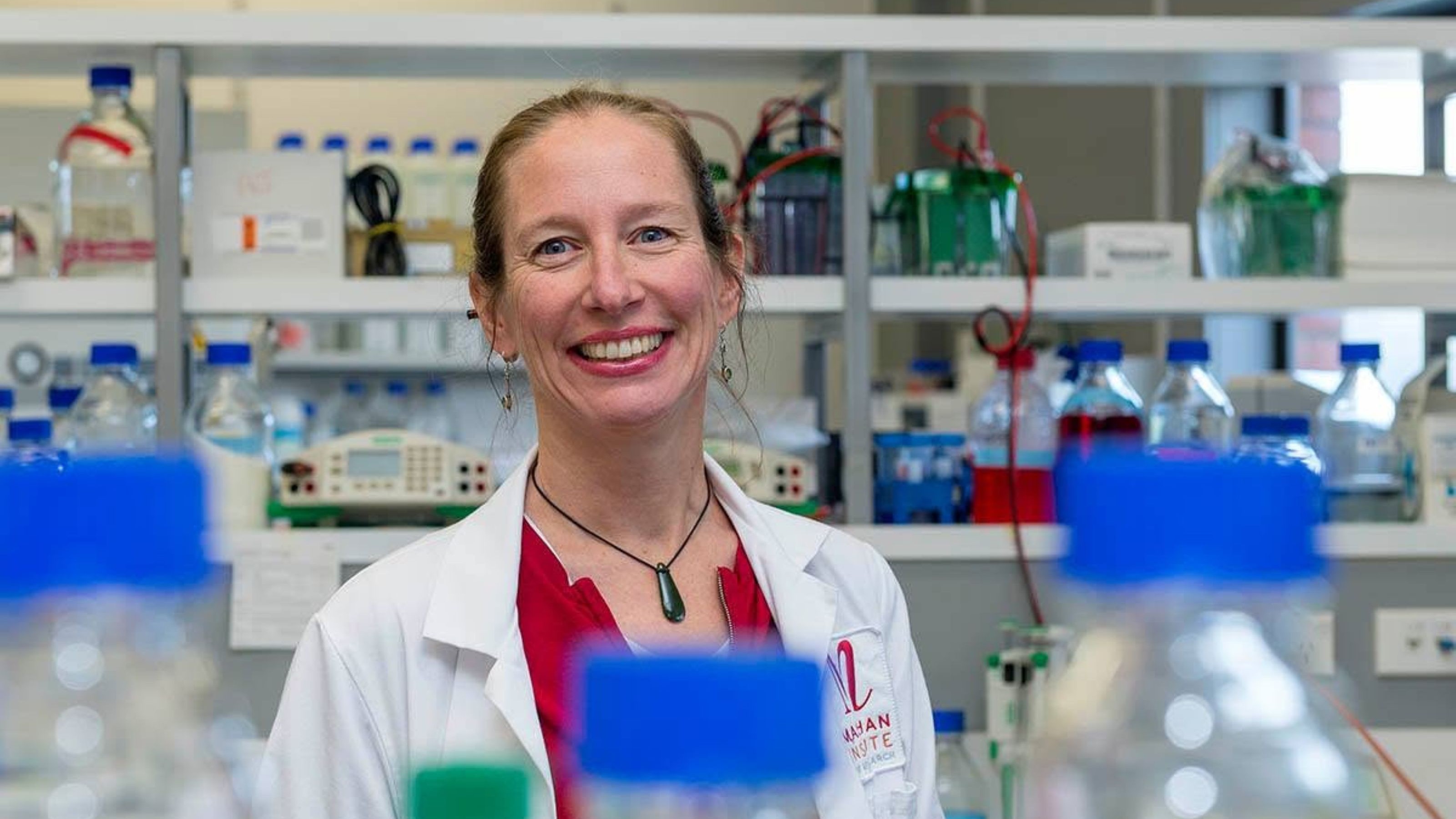
Anne describes herself as a ‘card-carrying immunologist’. “I’m deeply interested in the immune system and particularly immune regulation and autoimmunity,” she says.
Your immune system is like your own personal army that defends you from invading organisms. But sometimes that army turns on you, and your immune system starts to attack your body’s perfectly healthy cells.
Anne La Flamme
Professor of Immunology
Anne is a Professor of Immunology at Te Kura Mātauranga Koiora—the School of Biological Sciences, and leads the Multiple Sclerosis Research Group.
She says her research is not so much focused on the external causes of MS—although sometimes the externals are the drivers for this dysfunction—but to understand which pathways are dysfunctional.
“Because once you know what those pathways are, you can either try to target those pathways, or you can then go backwards and ask, why are they dysfunctional?”
An exciting step towards an MS treatment
Anne is working with Te Herenga Waka’s Associate Professor Bronwyn Kivell and University of Kentucky’s Professor Thomas Prisinzano to explore the potential of a drug—originally developed as an anti-itch medication—to not only stop MS in its tracks but to reverse its debilitating symptoms.
With the guidance of Te Paiwai—Wellington Univentures, the trio has founded a company called Rekover Therapeutics, which is focusing on a drug called nalfurafine. Nalfurafine was created in Japan to treat severe itching in patients requiring dialysis for chronic kidney disease.
“It’s about taking medicines that are already approved for one use and applying them to another disease—in this case, MS,” says Anne.
The researchers have found compelling evidence that the medication can enable the repair of tissue damage caused by MS. Nalfurafine’s remyelination (repair of the protective coating around nerve fibres) and neuro-reparative effects may not only slow the progression of cognitive and physical disability brought on by MS, but may also restore function for people living with the disease.
“Current therapies for MS only slow the disease progression—none support the repair of damage,” explains Anne. “As a treatment, nalfurafine has the potential to markedly improve the quality of life for people with MS.”
Our goal is to discover something that will reduce disability, and reduce or even halt progression of the disease—anything that makes life better for people with MS.
Anne La Flamme
Professor of Immunology
“We are now raising money so that we can conduct a clinical trial of nalfurafine in people with MS,” says Anne. “This would be a phase-two trial—we would then need to do a much larger phase-three trial to get regulatory approval to take the drug to market as a treatment for MS. It can take a long time to get through these stages, but it’s a drug that has fantastic potential and has already shown spectacular results—we’re very hopeful.”
Turning to nature
Separate to her MS research, Anne has a couple of other projects that involve looking for answers in unexpected places.
This includes a project working with chemical scientists at Te Herenga Waka’s Centre for Biodiscovery to explore the potential of natural products as medicines.
Along with Associate Professors Rob Keyzers and Joanne Harvey, Anne is looking at how compounds derived from naturally-occurring marine, botanical, and fungal products—sourced in Aotearoa and the Pacific Islands—can regulate the human immune system.
Anne is also investigating why tuatara—the famed reptile endemic to Aotearoa—do not become infected with Salmonella, a highly contagious bacterium that affects nearly all vertebrate animals and can cause humans to become seriously ill.
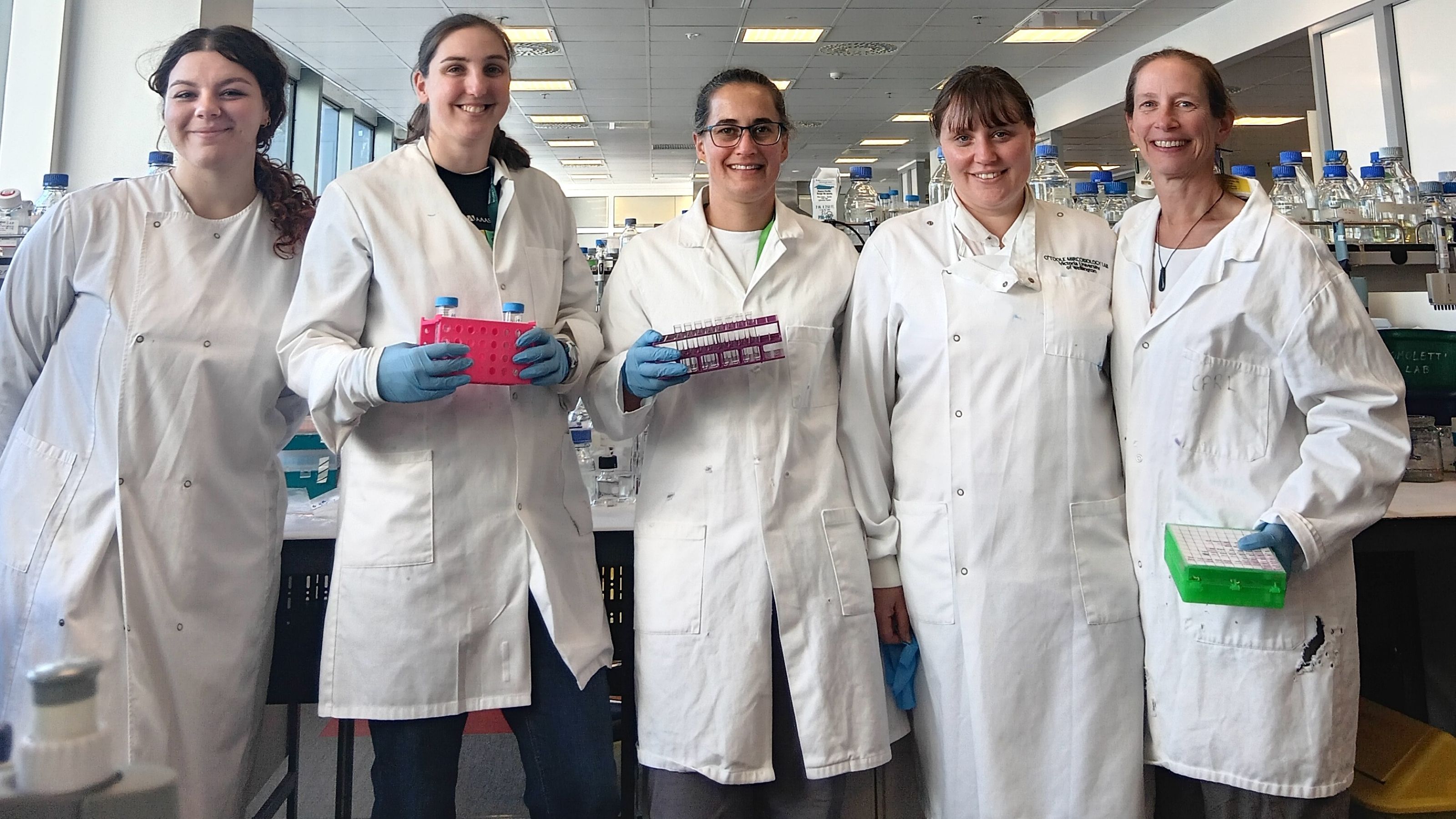
She is working with her former PhD student Dr Danielle Middleton, who is based at Manaaki Whenua—Landcare Research, on a Marsden-funded project led by Dr Middleton to uncover why tuatara are seemingly resistant to Salmonella.
“Extensive testing has found that despite being found virtually everywhere else, Salmonella could not be cultured from tuatara,” says Anne. “We have been doing some comparative immunology work to try to understand how tuatara immune systems are different from other reptiles, and mammals and birds too, to try to identify an anti-microbial factor or response that allows tuatara to control Salmonella.”
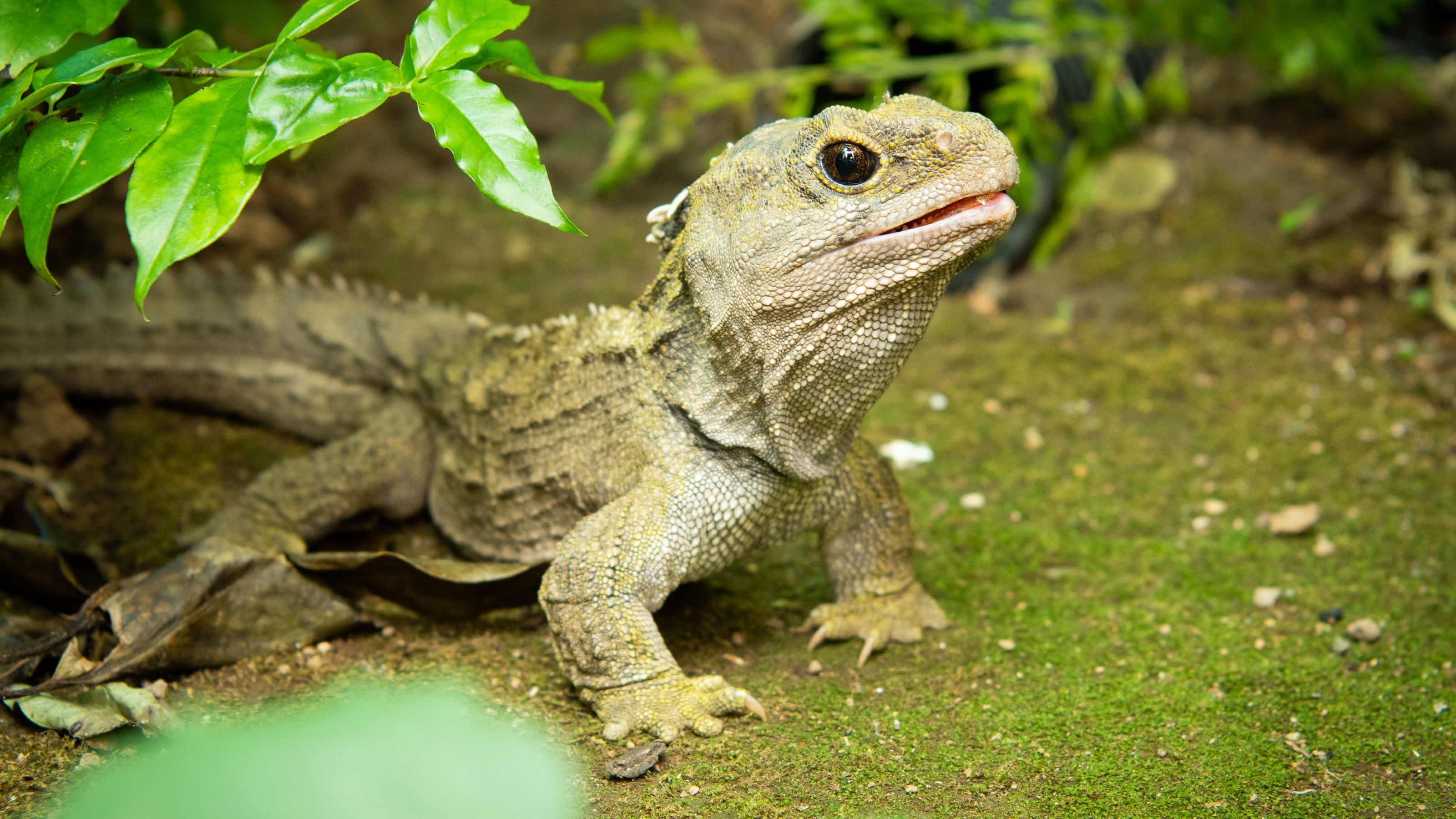
Anne says the aim of the research is to understand if tuatara have unique immunity genes and, in the process, potentially uncover processes or compounds that could be used to protect humans and other animals.
“That’s what all my work comes down to—understanding the causes of disease, and exploring new ways to treat them, with the aim of improving life for everyone.”
Learn more about research at Te Kura Mātauranga Koiora—School of Biological Sciences.