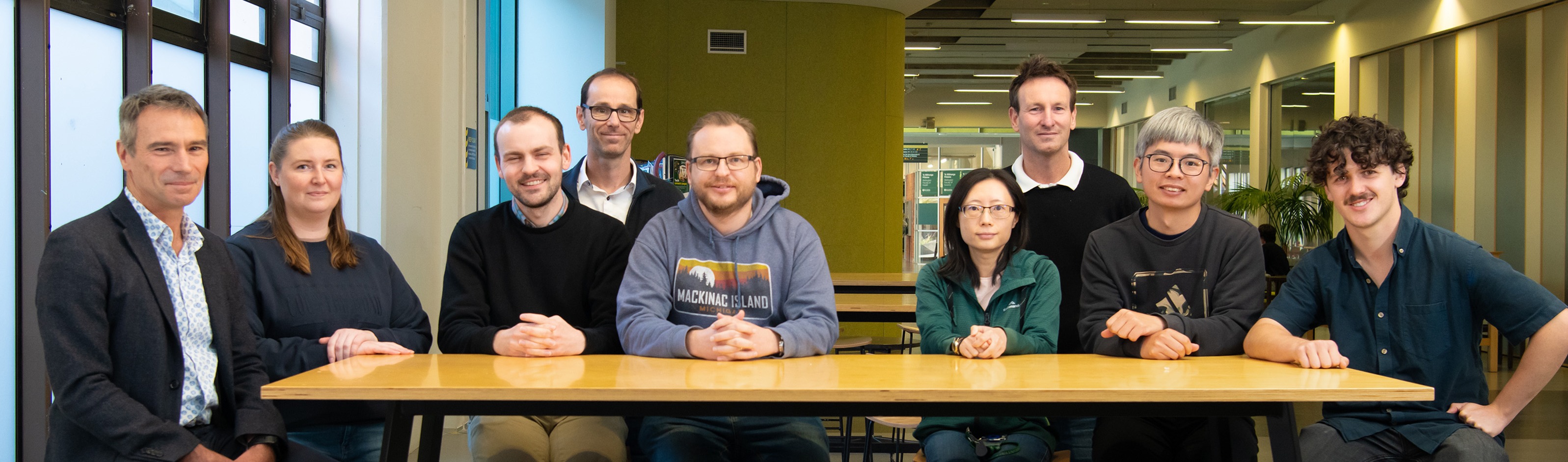
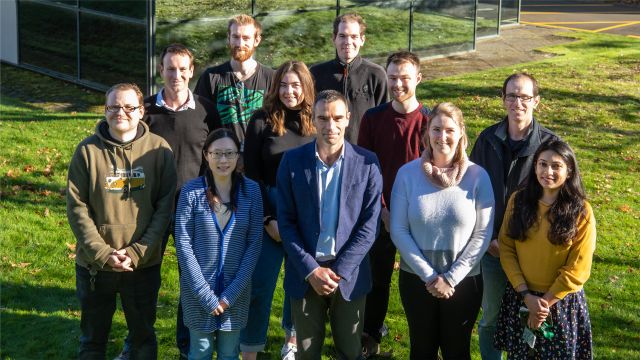
The mRNA and lipid nanoparticles team is based at the Ferrier Research Institute in Gracefield, Lower Hutt.
Led by Professor Gavin Painter, this team focuses on developing nanomedicines, particularly around RNA-based technologies. The team’s work includes creating special molecules that deliver instructions in the form of RNA to cells. This RNA can either train the immune system to fight disease—like in vaccines or enhance the immune system’s ability to protect against disease—like in cancer treatments.
The team's research focuses on nanomedicines and RNA therapies, specifically using messenger RNA and oligonucleotides. To reduce the instability of these RNAs, they encapsulate them in lipid nanoparticles, ensuring effective delivery. By advancing local manufacturing capabilities and knowledge, the team aims to make New Zealand self-sufficient in producing key components for vaccines and other therapies, contributing to national health security.
Current projects
New lipids for RNA delivery
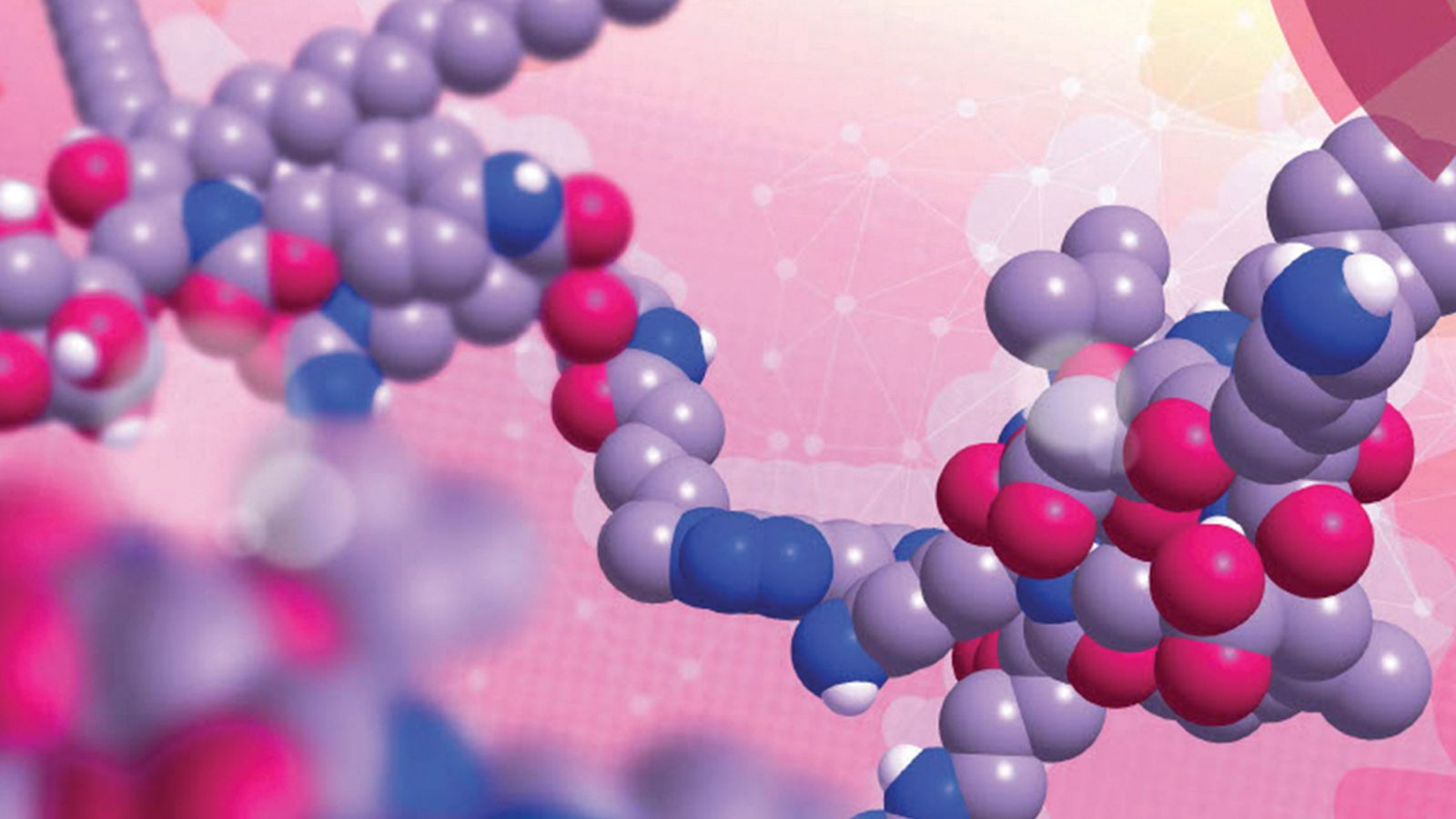
The team is developing new ionisable lipid nanoparticle formulations to improve RNA delivery technologies, which are currently hindered by high costs and licensing issues. By designing, synthesising, and testing specific lipids, they aim to make RNA therapeutics more cost-effective and versatile.
Refining mRNA design to generate optimal T cell responses
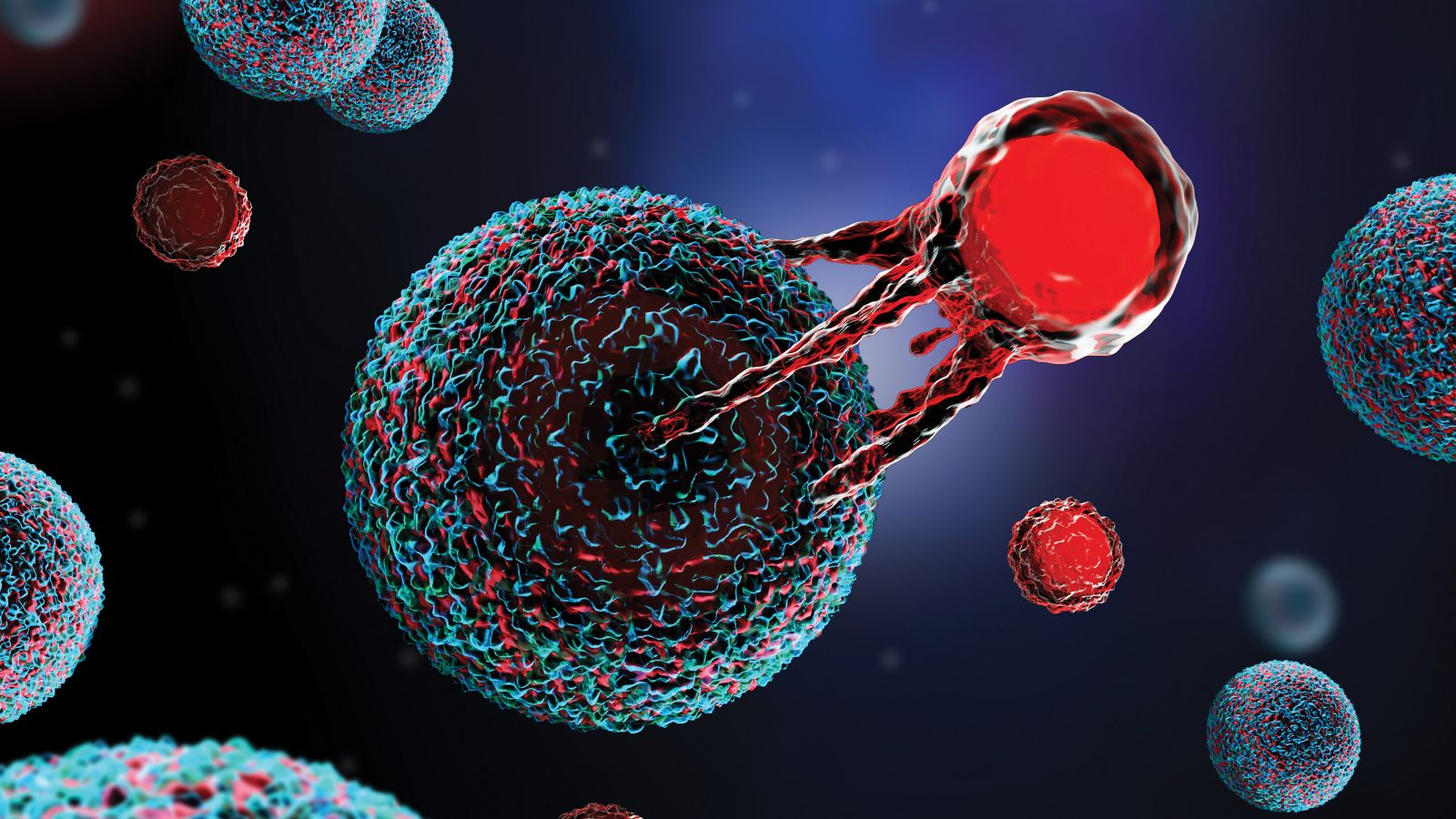
To date, mRNA has been optimised to produce antibody responses. However, for certain infectious diseases and most cancers T cells are required for immunity and disease clearance. Refining mRNA design and production to enhance T-cell immunity involves developing novel mRNA analytical and downstream processing techniques to better inform mRNA design. In collaboration with immunologists the team are developing mRNA vaccines that induce liver-resident memory T cells (Trm), which are vital for effective immune responses for malaria, chronic hepatitis B and liver cancer. The team aims to establish best practices for purification and analysis of mRNA to inform optimal mRNA design for liver diseases.
mRNA malaria vaccine
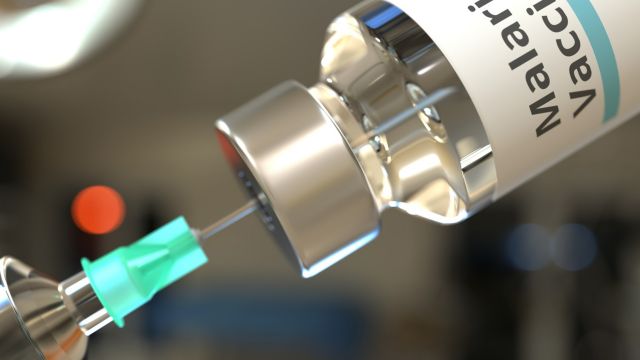
Traditional malaria vaccines have long struggled with poor efficacy and interference from previous infections. In contrast, an mRNA vaccine incorporating a potent adjuvant created by the team shows promise by generating liver-resident memory T cells, offering effective protection against malaria. This approach is particularly promising in malaria-endemic regions, as it is not hindered by prior exposure to blood-stage infections, unlike traditional vaccines.
The team uses cutting-edge equipment, including a Precision NanoSystems device for creating lipid nanoparticles, and advanced tools for processing and measuring the particles. They design and produce RNA probes based on synthetic oligonucleotides that aid in the analysis and design of mRNA. They are leaders in New Zealand for adopting such technologies, which significantly enhance their research capabilities.
The team collaborates with national and global partners, including the University of Queensland, and Melbourne, Auckland, Waikato, Canterbury, and Otago universities, to advance their research. This collaborative approach helps them stay at the forefront of their field.
Research impact
Addressing breast cancer recurrence—a life-saving vaccine
Professor Painter and his team are working on a vaccine designed to prevent the recurrence of metastatic breast cancer in survivors. This research aims to help survivors develop immunity against cancer’s return. The Ferrier Institute has partnered with Breast Cancer Foundation New Zealand to help achieve their vision to save women’s lives.
For more information about Ferrier’s work in this field, please contact ferrier@vuw.ac.nz.
The pages below are related to Team Painter's research topics. Find out how chemistry and synthetic and chemical biology can solve each of these challenges.
A new mRNA vaccine targeting immune cells in the liver could be the key to tackling malaria, a disease that causes over half a million deaths each year according to the World Health Organization, yet has no effective long-lasting vaccine.
Prof Gavin Painter and his team at the Ferrier Research Institute are part of a trans-Tasman collaboration aiming to develop a simple and effective malaria vaccine that could be manufactured efficiently and administered easily in at-risk countries.