
Investigating how to make democracy better for everyone
Dr Lara Greaves’ research focuses on understanding and improving the way people engage with government and public policy, and the impact when they disengage.
Voting gives people a direct voice in choosing leaders and helping to shape policies that affect us all in our day-to-day lives. But voter turnout is dropping, and more and more people are feeling disillusioned with politics—so what is the impact on society? Dr Greaves researches what the risks are when people disengage with the very system that’s supposed to support them, and how to ensure the voices of all the citizens of Aotearoa are heard and contribute to addressing the big issues.
Dr Lara Greaves (Ngāpuhi, Pākehā, Tararā) is a cross-disciplinary researcher working between psychology, statistics, and political science. She’s an associate professor of politics at Te Herenga Waka—Victoria University of Wellington, where she researches a range of topics around Aotearoa and Indigenous politics. Lara is also a senior research fellow in statistics at Waipapa Taumata Rau—The University of Auckland.
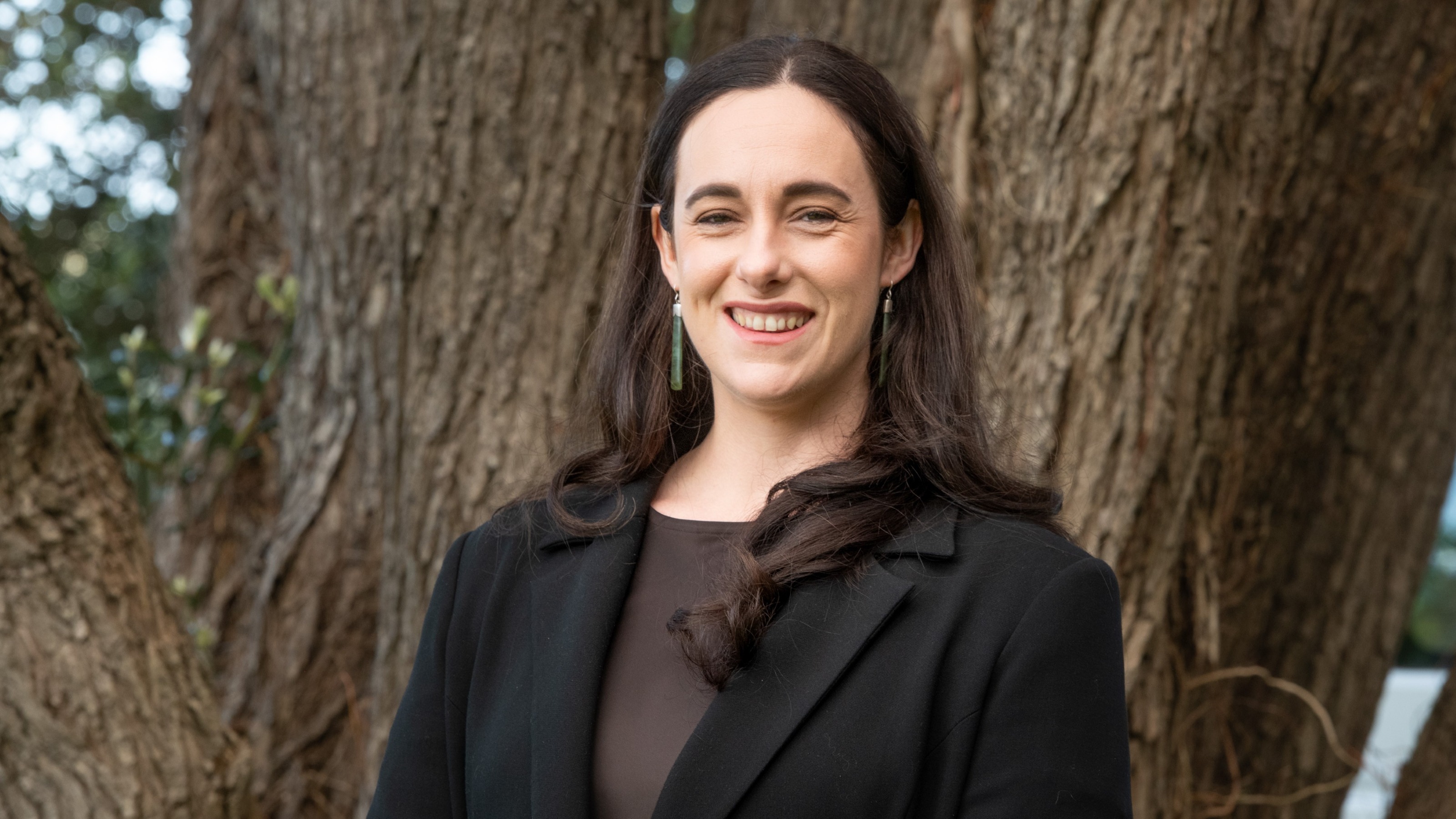
Lara’s mahi is centred on understanding and improving the way people engage with government and public policy. She leads numerous Māori-focused political research projects, and collaborates across large-scale, multidisciplinary work. A recent project she has led is Which Roll?, a survey that uncovered the reasons Māori choose to enrol on the Māori electoral roll or the General one.
Lara says she’s particularly focused on creating opportunities for the next generation of tauira Māori, and Indigenous scholars more broadly.
The real driving force of my research is, how do we make democracy better at this time, in this century, in this place? How do we make it better for everyone?
Dr Lara Greaves
Associate Professor, School of History, Philosophy, Political Science and International Relations
“My research often works within the system that we have—the kāwanatanga, Westminster government-type system—and thinking about how it can be improved. That might mean using technology, or thinking about data, or looking at people’s experiences when voting, and understanding how much they know about voting and politics.”
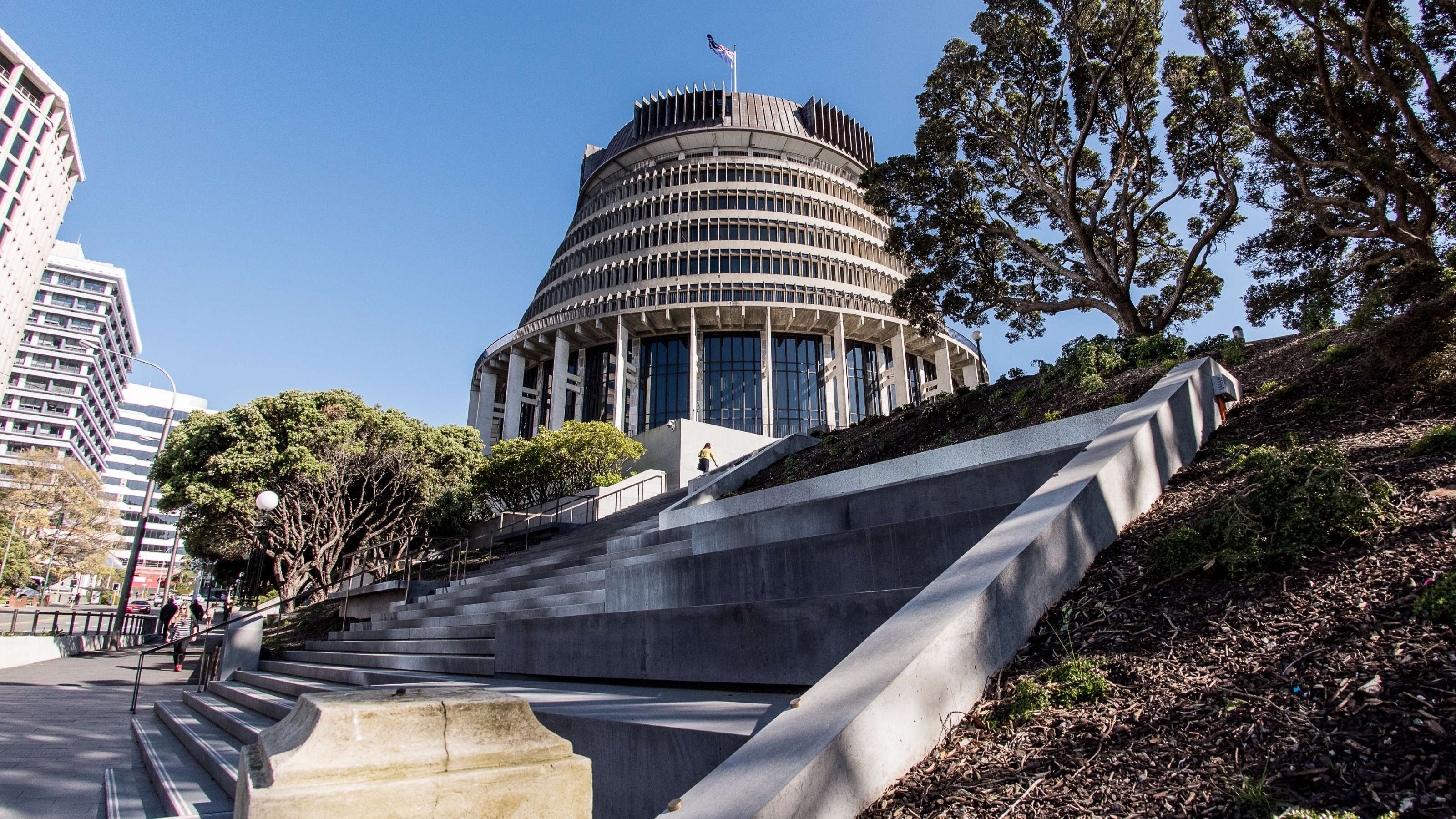
Lara is a current Royal Society of New Zealand Rutherford Discovery Fellow—her project, More than the 3Ps: Enhancing participation in politics, policy, the public sphere, and political science, is focused on ways to increase public engagement for Māori, Indigenous peoples, and other groups such as women, who historically have lower rates of civic participation and inclusion.
“I’m looking into voter participation levels, people’s ability to access information, and the experience of individuals in public politics,” she says. “Understanding those things will highlight what the systemic and structural barriers are that can block these groups from fully participating in public policy and politics.”
During the More than the 3Ps project, Lara hopes to create a tool (such as an app) that will help increase voter enrolment and turnout, and to explore other ways to improve people’s ability to access information and enhance equity and participation in the political science discipline.
Why are fewer people participating in politics?
Lara says the local body elections in 2025 highlighted the need for continued work in this area.
We’re seeing voter turnout go down over the years, especially in local government elections, and a lot of scepticism among the public around politics. We should all be very concerned about this downward trend in participation.
Dr Lara Greaves
Associate Professor, School of History, Philosophy, Political Science and International Relations
She says scepticism of government is an ongoing issue among some groups of Aotearoa’s population.
“Māori have often been sceptical of the system. A lot of Pacific communities and migrant communities have had this scepticism about politics and politics not serving their interests, and likewise a lot of working-class people, too. But we’re now seeing way more pessimism among all people, who don’t have a lot of faith in the state of the government, the state of the economy, and the state of democracy.”
She says while a 100 percent voter turnout might seem ideal, compulsory voting isn’t the answer.
“If people don’t want to vote they shouldn’t be forced to do it—I think it’s more about, how do we create the conditions where people want to vote?”
Lara says changes in society, where people are not as actively involved in their local communities, is one reason people are engaging less with politics.
“We've also lost a lot of local media lately, and we're losing academic and media funding, which adds up to us being less able to challenge governments. We're seeing more and more of that mantle being picked up by TikTok and these big companies that are owned overseas that we have no control over,” she explains. “That's my big concern: while the internet has been good for the participation of some people or groups in some contexts, it generally has not been a great thing for political participation.”
Based on her research, Lara believes one way to restore those relational, community bonds and create the conditions where people want to participate in democracy is through technology.
“The internet’s getting worse—it’s easier than ever to harass someone or put them off politics. The system is designed to drive polarisation, which is counterproductive to democracy,” she says. “But the internet is also designed to drive engagement. So how do we take the power back from the multinational corporations? How do we use it to get that information flow back to the citizens of Aotearoa? How do we reorient the system and make it better?
“Maybe we need to exploit aspects of technology, use the very tools that big corporations use, to try and improve participation or get better turnout in elections.
Then we can also start to think about building back that sense of community through things like wānanga or citizens’ assemblies, so that people get a bit more power in determining the direction of their community and ultimately the country.”
It’s a numbers game—why good data is crucial
With this in mind, Lara has been researching ideas around data sovereignty.
“What I want to know is, how do we make sure we’ve got good data and use technology to then define who we are on our own terms? We know the government collects heaps of data in the day-to-day machinations of the state, in the administration sphere or from places like hospital records or overseas travel declarations. The five-yearly census has been scrapped due to declining participation rates and increased costs, so this day-to-day data is a realistic replacement of that,” she says.
“However, this kind of administrative data is limited in its use: it usually only measures problems, and for Māori in particular it misses what’s important to them and their communities. It is collected when Māori are at their most vulnerable—sick, in crisis, or struggling—and that can distort the situation.”
Lara says the government has to do some serious thinking about the way it collects and uses data.
If it’s going to do away with the Census, the government needs to make sure it’s got a system that gathers reliable, quality data that accurately reflects reality, and which gives effect to the principles of Te Tiriti o Waitangi.
Dr Lara Greaves
Associate Professor, School of History, Philosophy, Political Science and International Relations
Lara says even though data can be off-putting to the general public, who might feel like it’s boring or they can’t engage with it, it is hugely important to society.
“Organisations, businesses, communities and people in general need data—and the evidence it provides—to make decisions. So I want to find ways to make it easier for us all to access data more easily. It’s our right as citizens of Aotearoa, and especially for Māori, to be able to access it.”
Find out more about research at Te Kura Aro Whakamuri, Rapunga Whakaaro, Matai Tōrangapū me te Ao School of History, Philosophy, Political Science and International Relations.