
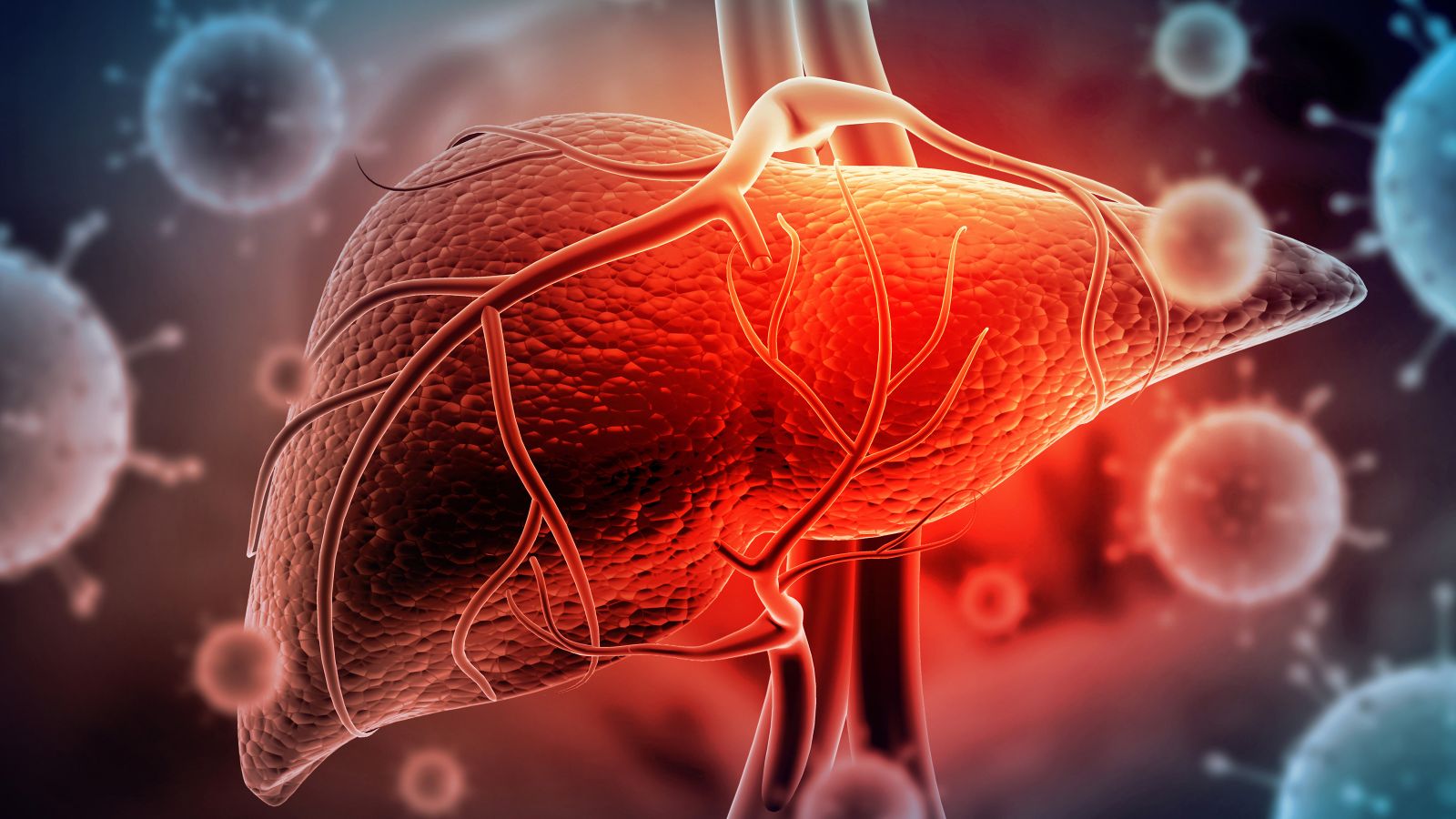
Why the liver matters for immunity
When most people think about the immune system, they picture white blood cells circulating in the blood. But some of the most powerful defenders are non-circulating “stationed” inside tissues—like the liver. One example of these special defenders, called tissue-resident memory T cells (Trm), are a subset of T cell stay on guard at the site of past infections and can act quickly if a virus or parasite returns.
Harnessing the power of these liver Trm cells could transform vaccines against diseases such as malaria, hepatitis C virus, chronic hepatitis B and possibly liver-cancers.
The project
The RNA Platform’s Liver Trm fast start project, led by Professor Gavin Painter (Ferrier Research Institute, Victoria University of Wellington) in collaboration with Professor Ian Hermans (Malaghan Institute), set out to explore whether mRNA vaccines could be fine-tuned to train the immune system to produce more of these protective liver-based memory cells.
What we’ve achieved
- Better RNA production methods: The team improved how RNA is made and purified, developing new HPLC and FPLC methods that allow researchers to separate and analyse different RNA fragments. At the same time the team also developed state of mRNA production methods including the use the co-transcriptional capping and DNA template encoded poly-adenylation methodologies to reduce manufacturing costs and time .
- Powerful immune response: Using an innovative “prime and boost” vaccination strategy, the team showed that industry-standard mRNA vaccines can trigger high numbers of liver Trm cells when delivered in a novel way with additional immune instructing signals.
- On track for protection studies: Vaccines are now being prepared for the next stage—challenge studies in Australia, which will test whether this liver Trm-focused approach can actually protect against infection.
- Potential new IP: The unique administration protocol and overall vaccine design may form the basis of a patentable method for boosting liver immune memory.
Explainer: what are Trm cells?
Think of your immune system as a national defence force. Most soldiers (immune cells) patrol the highways and borders (the bloodstream). But tissue-resident memory T cells (Trm) are like elite local units stationed inside towns and cities.
In the liver, these Trm cells sit quietly until danger arrives — then they respond immediately, before reinforcements arrive from the bloodstream. By training more of these “local defenders,” vaccines could protect against infections that hide or strike in the liver.
Why it matters
Vaccines usually aim to raise antibodies in the blood—but for liver diseases, that may not be enough. This project shows that by changing how mRNA vaccines are designed and delivered, it’s possible to build a more specialised defence right where infections strike.
If successful, this work could open new doors for:
- Vaccines against malaria and liver-stage parasites
- Better defences against hepatitis viruses including the potential to chronic infection.
- A broader toolkit for next-generation RNA vaccine design
Who was involved
- Prof. Gavin Painter (Ferrier Research Institute, VUW)–Principal Investigator
- Prof. Ian Hermans (Malaghan Institute)–Immunology collaborator
- Ferrier Research Institute team–RNA chemistry, analytical method development
- RNA Platform Production Facility team–High-quality RNA supply and encapsulation support
- Hermans Research Team–Specialized immunological models to enable liver Trm assessment
What’s next
The final stage of this Fast Start is underway: testing whether the liver Trm-inducing vaccine protocol can actually protect against infection. Results from these challenge studies will shape whether the team moves toward further development and commercialisation opportunities.
Keep an eye on RNA Platform Insights for updates on how this work could lead to smarter, more targeted vaccines that protect where it matters most.