
Architects of Change: Lucy Lee utilises digital workflows on real-world construction projects
Our Bachelor of Architectural Studies (BAS) graduates who won awards at the 2024 Resene Student Design Awards have taken their values to industry success. We checked in on them to see how they are going.
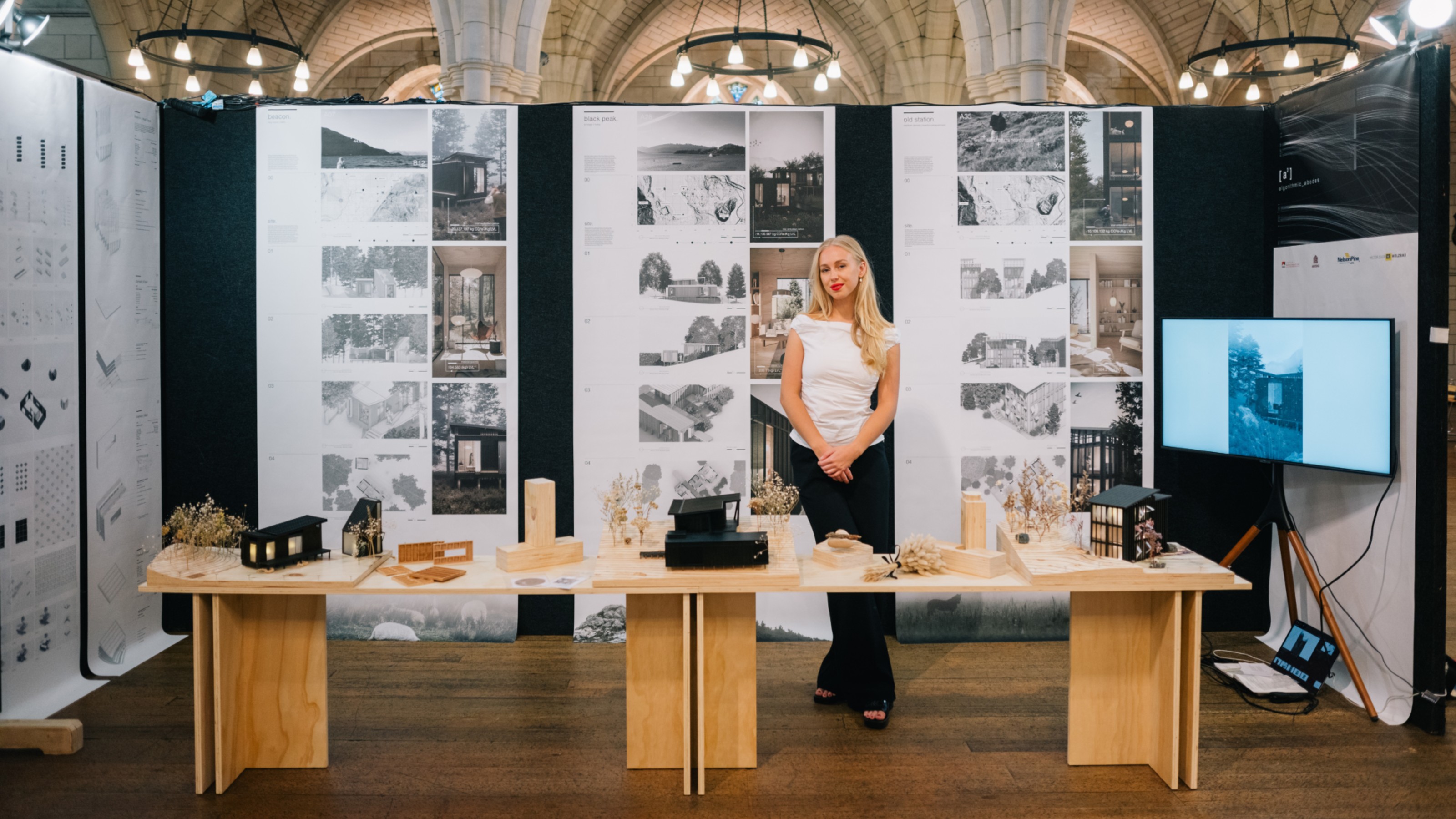

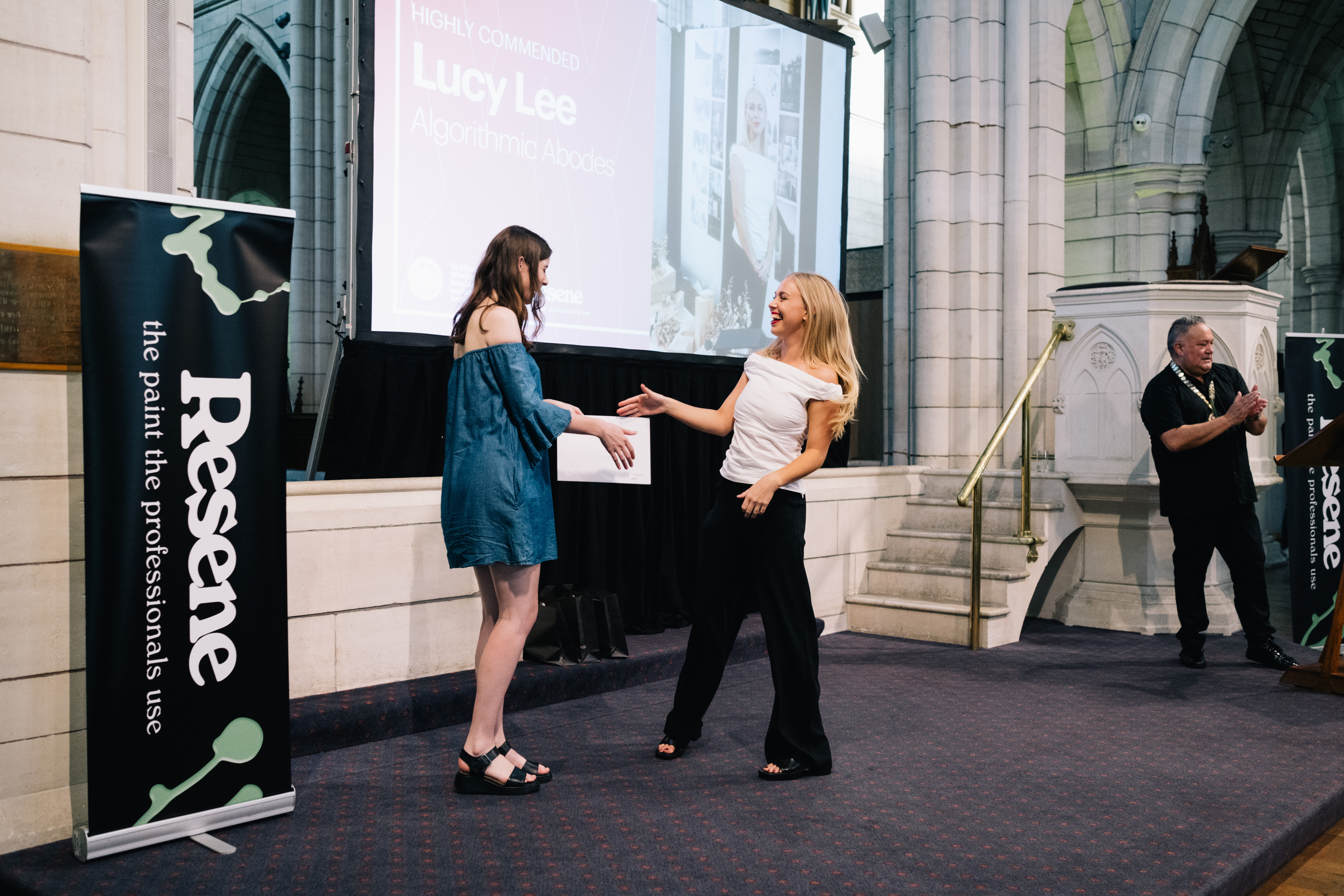
Lucy Lee received a Highly Commended citation at the 2024 Resene Student Design Awards for her project Algorithmic Abodes.
Algorithmic Abodes explored the intersection of architecture, automation and environmental stewardship. Automation was used to optimise measurable aspects of residential architecture, such as efficiency, precision and sustainability, while allowing the architectural design to transcend into something unmeasurable, fostering a relationship between people, the land and its environment.
The judges stated that the project demonstrated strength in its process of responsibly resolving housing security against a backdrop of economic and climate challenges. Deep engagement with methodology considered efficiency in modular design and fostered solutions with industry.
What were the key themes or social issues you explored in the design?
My thesis, The Algorithm and the Abode, explored how automation and computational design could address systemic issues within New Zealand’s housing sector - particularly around affordability, climate impact, and construction inefficiencies.
I was driven by the growing housing crisis, labour shortages, and the environmental toll of traditional building practices.
Key themes included carbon reduction, prefabrication, digital equity, and the idea of beauty through relationship - inspired by the Māori concept of tau rerehua, where something is made beautiful through its connection to land, people, and context.
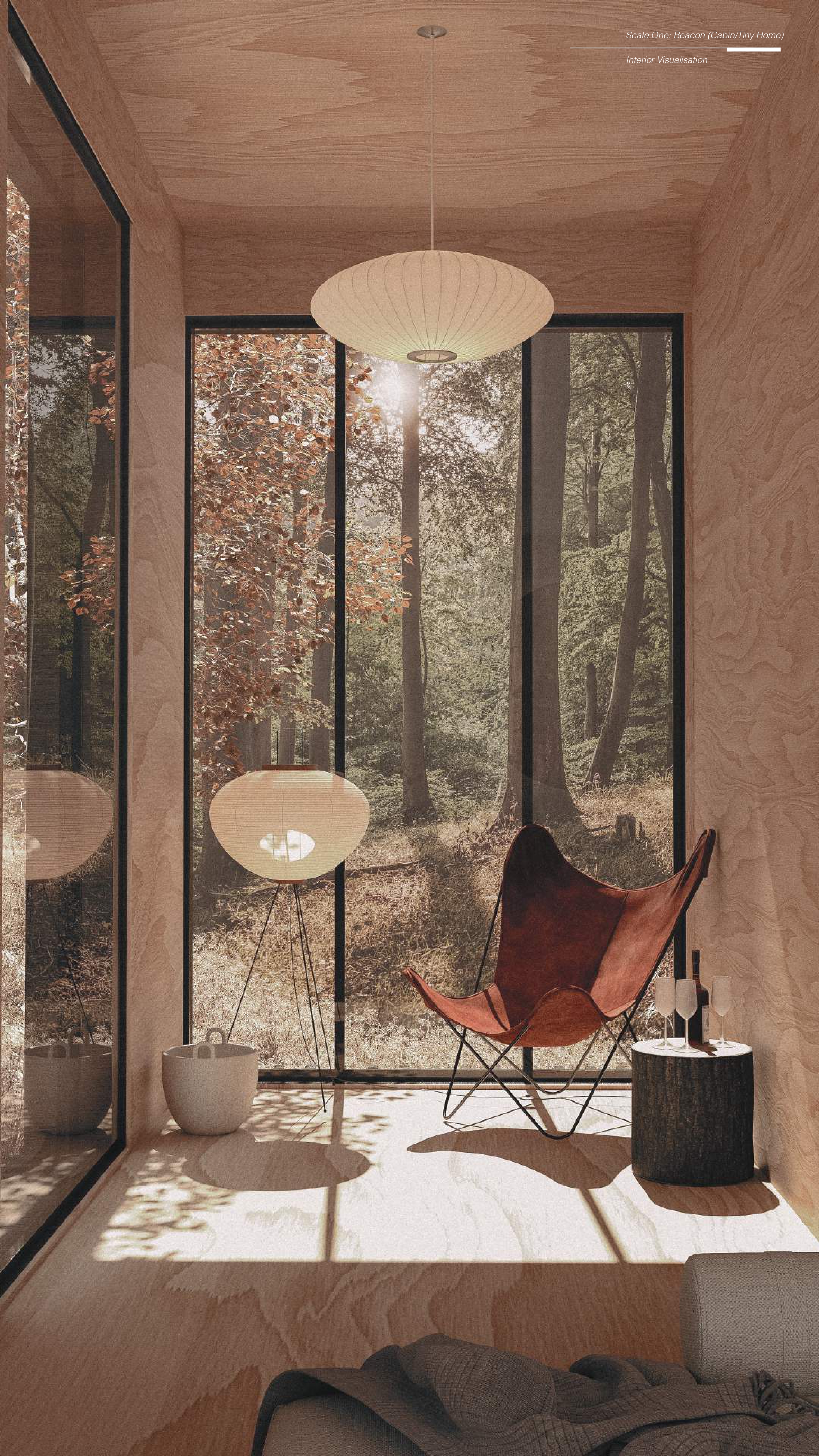
I wanted to challenge the stigma around prefabricated housing by showing that digital workflows could produce not only efficient but also poetic and site-responsive outcomes.
These key themes and issues were addressed through re-designing a workflow for the pre-engineered timber industry through the use of computational design software.
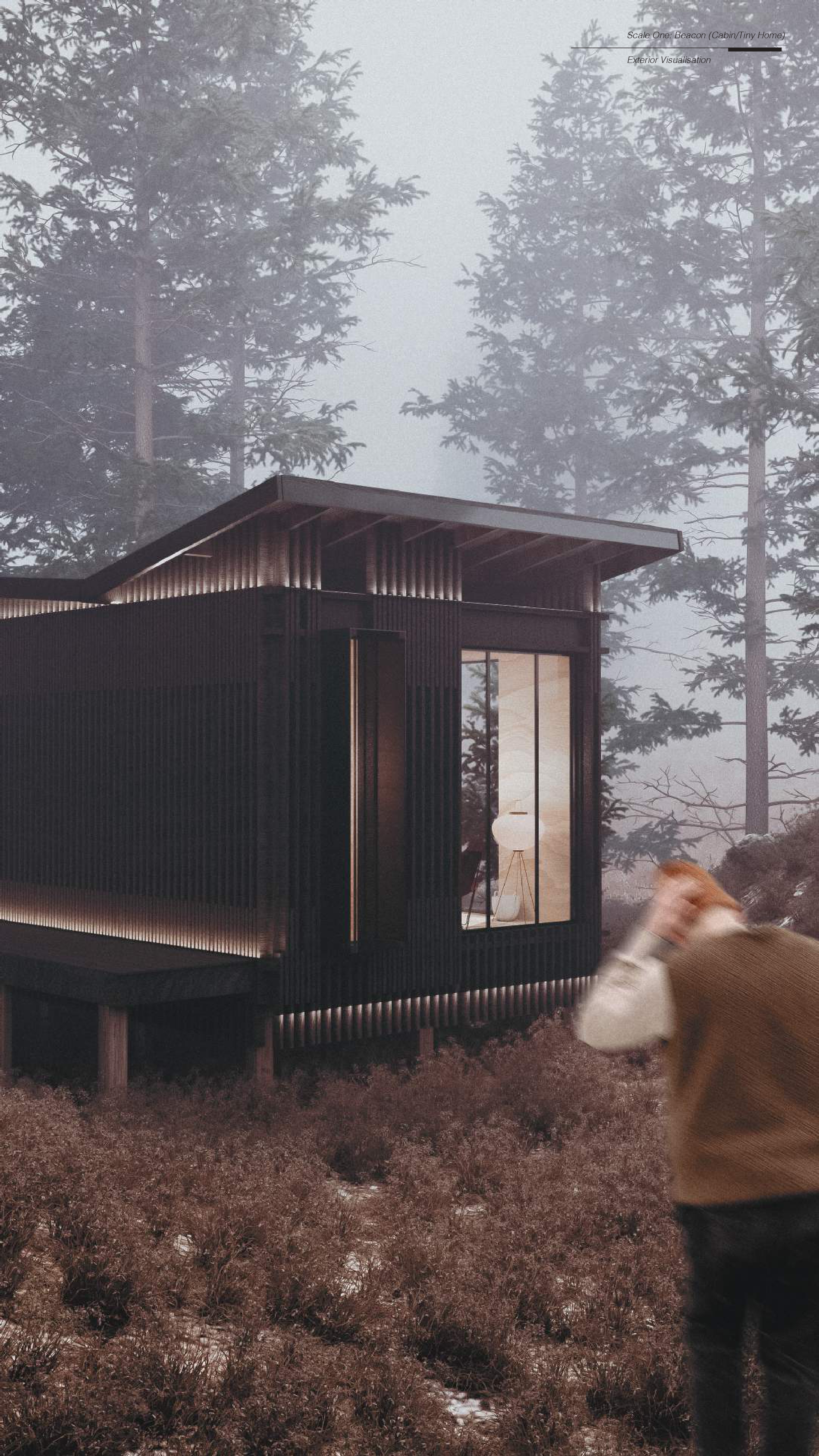
This workflow was then tested through the design and construction of three housing designs ranging in scale; a cabin, a house and a townhouse.
What methods are you using to advance your design thinking in this area?
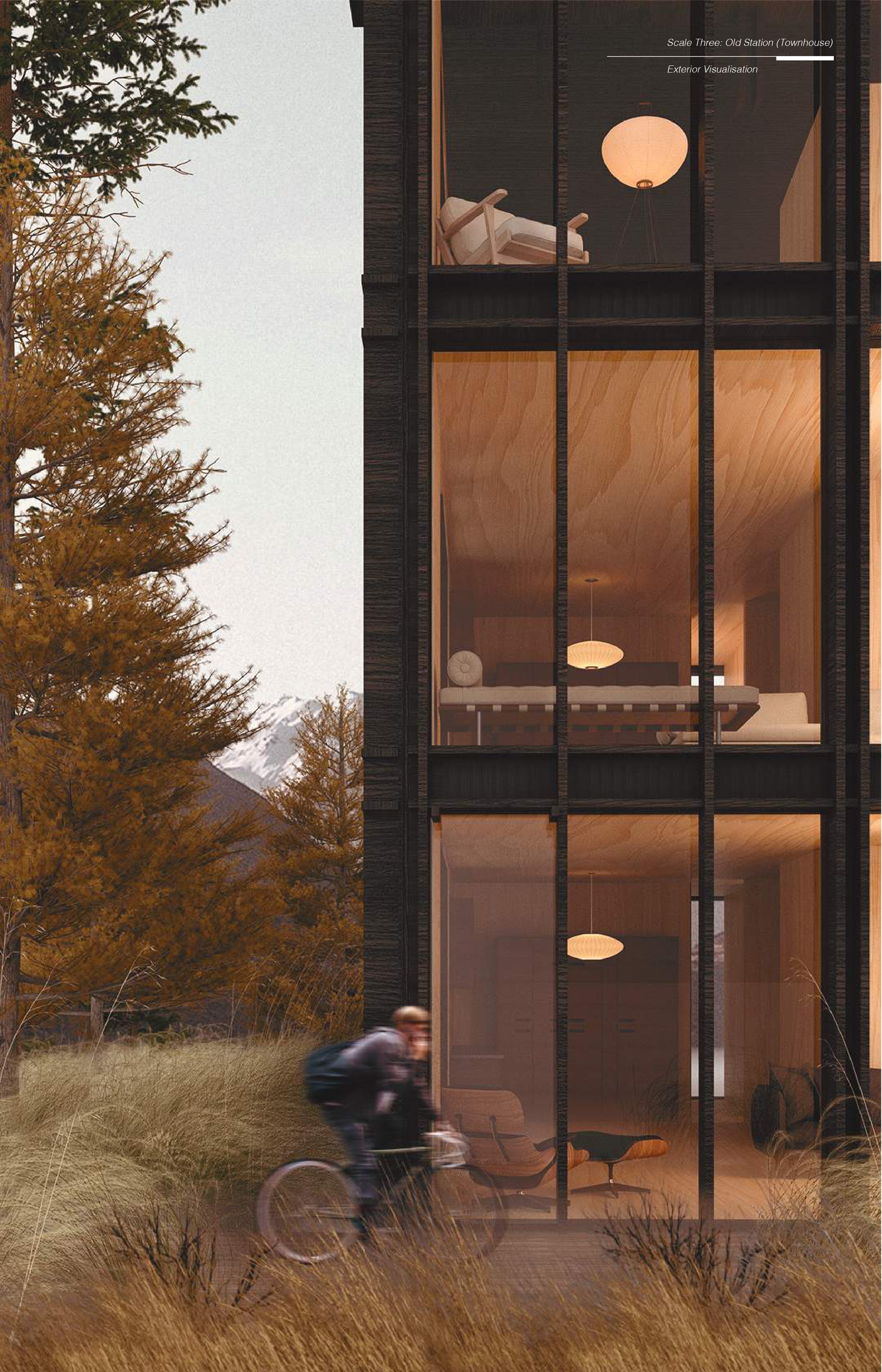
I’m advancing my design thinking through a mix of computational design, systems thinking, and collaborative industry engagement - all with a strong emphasis on sustainability and buildability.
A major method has been the use of parametric design tools, such as Grasshopper and Rhino, to develop flexible systems for prefabricated panelisation.
These tools allowed me to test a wide range of environmental and spatial scenarios quickly, iterating through options that maximise material efficiency, reduce material waste, and adapt design options to different landscapes.
I developed a parametric system to automate panelised timber housing layouts, enabling rapid prototyping while minimising material waste and responding to site-specific conditions.
How have you carried this approach into your career?
I'm constantly learning from industry workflows by communicating with architects, engineers and manufacturers. I have started work as an Architectural Graduate at BVN Architecture in Sydney, Australia.
In this role, I’ve seen how digital tools can be aligned with repetitive drafting, documentation and fabrication processes - bridging the gap between design and delivery.
BVN Architecture has a focus on larger-scale projects, making integration of digital tools and technology important for efficiency and quality of project output.
I’m constantly considering how these tools can make complex ideas more communicable and feasible within real-world construction constraints.
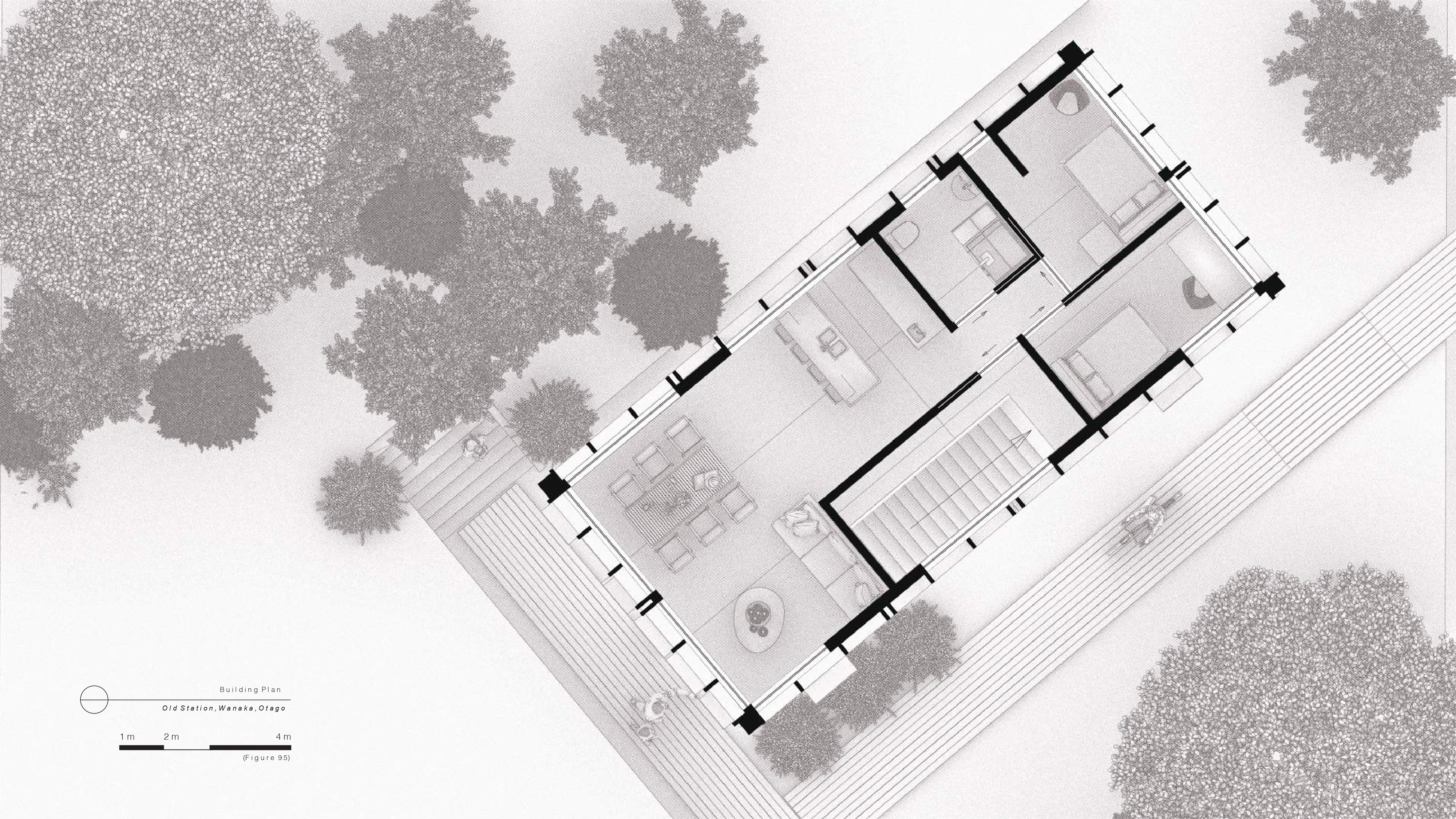
Explore the Bachelor of Architectural Studies – BAS
As we respond to new challenges such as environmental sustainability, the evolution of technology, and the changing needs of human habitation, we are constantly making and remaking the physical world. Study the Bachelor of Architectural Studies to be part of designing and shaping the built environment—inside or out.
Learn more