
As an inaugural signatory to the Openness Agreement on Animal Research and Teaching in New Zealand, Te Herenga Waka is committed to providing clear information about animals used in research and teaching, and the measures in place to protect animal welfare.
Recently, the University took this commitment further by becoming a member of Understanding Animal Research Oceania (UAR), an Australian non-profit organisation that supports greater understanding of how and why animals are used in medical, veterinary, scientific and environmental research in the Oceania region.
With an established track record of ensuring adherence to animal ethics policies, all research and teaching involving animals requires approval. The animal ethics policy is built around three pillars—reduction, refinement, and replacement, with a focus on reducing harm caused to the minimum necessary, including through the methods used and finding alternatives where possible.
Speaking about the development, Rachael Shaw, Chair of the Animal Ethics Committee said “This is a significant milestone for our University, Membership of Understanding Animal Research Oceania will enable us to offer additional support, resources and training opportunities for staff and students. This helps the University with our commitment to openness and transparency around animal research.
“UAR can also assist institutions in identifying opportunities for openness and public engagement around the use of animals in research and teaching. Membership will provide access to expertise, resources, and professional networks that can help us continue developing a transparent and informed approach to communicating about this area of our research activity.”
All research and teaching requests involving animals are reviewed by the University’s Animal Ethics Committee (AEC), operating under a Code of Ethical Conduct for the Use of Animals for Research, Teaching and Testing, which is approved by the Ministry for Primary Industries. The AEC is committed to ensuring that any work done with animals is conducted with appropriate procedures that are consistent with current scientific best practice, as informed by peer-reviewed evidence and guidance from national advisory bodies.
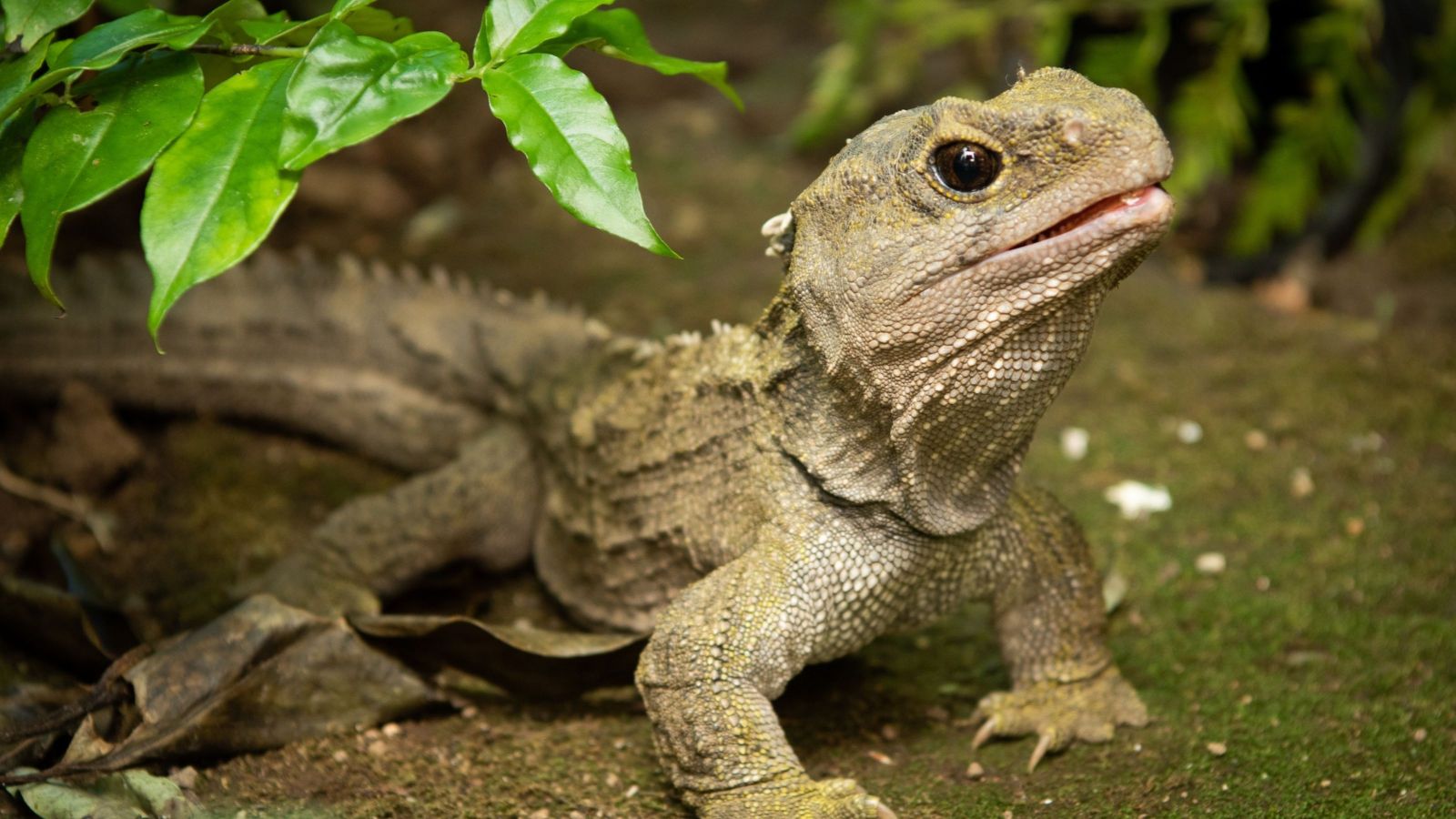
Currently, approximately half of the University’s animal research is undertaken within conservation biology programmes, involving the study of wild animals in their natural habitats using non-harmful methods.
The announcement comes as the University participates in New Zealand's inaugural Openness Week (Monday 12 October – Friday 16 October). The initiative encourages research organisations to engage openly with their communities about the use of animals in research and teaching and the measures in place to protect animal welfare.
As part of Openness Week, the University is inviting friends and family of staff and students working with animals to visit its animal facilities. Updated information about animal research and teaching has also been published on the University’s website to improve accessibility and transparency.
Read more about animal research ethics at the University.