
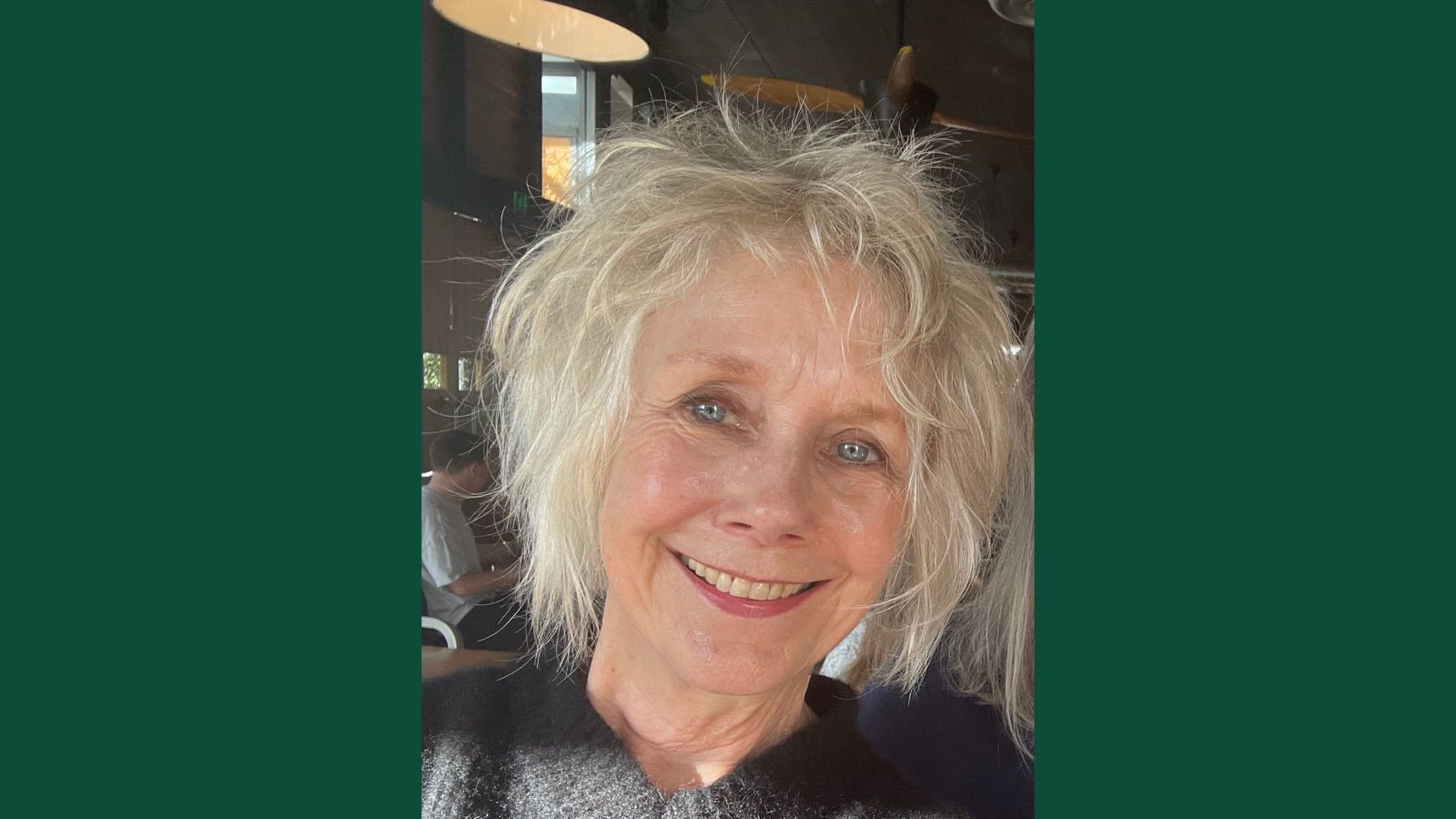
“I have always been interested in what and how children and adolescents remember, how this has impacted their development, and how it can predict psychological distress,” says Professor Salmon, who has published 111 peer-reviewed journal articles across her 30-year career focused on these topics.
Professor Salmon retired from the School of Psychological Sciences at Te Herenga Waka—Victoria University of Wellington and was awarded Emerita Professor in June 2026 but her long career began at the University of Otago, where she studied a Bachelor of Arts with Honours majoring in Psychology. After leaving her hometown of Dunedin, Professor Salmon completed a Master’s and Diploma in Clinical Psychology at the University of Canterbury, then worked in Wellington for 12 years as a clinical psychologist. She then moved back home to practise while raising her own child.
Embarking on a PhD in her 30’s, Professor Salmon’s research took place at a lab run by Professor Mel Pipe at Otago University, where she investigated children’s eyewitness testimony.
“My PhD involved interviewing 3-to-5-year-old children about the past, using props and toys and various things to establish how these items influenced the accuracy and detail of their accounts of the past,” she says. “I learnt that even very young children can provide accurate information about their experiences, but competent, sensitive, and non-leading interviewing is crucial.”
This led to Professor Salmon’s interest and research into all aspects of memory.
“The two areas I’ve been involved with, as part of a team always, are the role of parent-child conversation in how children recall memories, and how memory is related to adolescents’ psychological outcomes.
“The first part of my work is embedded in a very big body of literature on the development of autobiographical memory through socialisation practices—how parents talk about the past with their children can shape how they come to remember experiences.
“So to investigate this in a clinical context where children have significant behavioural problems for example, we examined how coaching parents to talk about past in a richer way impacted their children’s memories and understanding of emotions.”
In 2013 and again in 2021, with colleagues Professors Paul Jose, Elaine Reese, and Richard Bryant, Professor Salmon received Marsden Grants to complete a study into understanding the drivers of adolescent depression, and how personal memories impacted these.
“Most recently with my colleagues and our students, I have conducted research into how the qualities of adolescents’ memories of a critical life event can predict their depressive symptoms concurrently and over time. Our results differed from those found in other studies, and ultimately, may have implications for clinical approaches to helping adolescents experiencing depression.”
Professor Salmon’s most highly cited paper was published in 2002 with Australian colleague Professor Richard Bryant from the University of New South Wales, where she worked after she completed her PhD.
“We combined our interests in memory and developmental psychology to revise views of PTSD in children. The diagnostic criteria for PTSD back in the late 1990’s tended to apply to adults, although that has subsequently changed. Our paper reviewed the literature but brought a developmental lens into understanding how PTSD might present in younger children.”
Professor Salmon also co-published a significant paper in 2016 about the role of children’s language skill in predicting the development of psychopathology over time.
“We developed a theoretical model of how children’s language skill might be related to critical aspects of their social-emotional skills—not only their ability to express themselves, but also their understanding of emotions, their autobiographical memory, and their ability to manage their own emotions and behaviour.
“People tend to underestimate the influence on children’s development of simply talking to them, them, but everyday conversations are a critical foundation for children’s own language development, and for these other key skills and abilities.
“Our theoretical model informed a very exciting current Marsden-funded project, led by Professor Elaine Reese, called Kia Tīmata Pai, which aims to test different ways of boosting young children’s cognitive and socio-emotional skills. I’m a member of the science advisory team for this.”
Professor Salmon says she would love to see a public health campaign that simply says “talk with your child”.
“It’s not just that conversations between adults and children are a basis of reading and being able to talk and being able to express their feelings—it’s how it influences self-regulation, emotional understanding, and how to represent the world around them through language,” she says. “That’s the thing I feel very passionate about, that could make a difference to children’s outcomes.”
Looking back on an incredibly rewarding career, Professor Salmon says she has been extremely fortunate to have worked with collaborative and supportive research colleagues.
“Clinical psychology is such a strong evidence-based discipline, which is what makes it so useful. I’ve been fortunate to teach clinical child and adolescent psychology and to supervise many interested and engaged research students in the discipline during my years here at the university.”
As she steps back from a full academic role, Professor Salmon’ s planning on continuing her role within the Kia Tīmata Pai science advisory team and will continue writing about autobiographical memory.