
Awarded through the 2026 project grants, the funding supports research that aims to transform health outcomes for New Zealanders, whether through emerging technologies, new treatments, or addressing inequalities.
Dean of the Faculty of Education, Health, and Psychological Sciences Professor David Harper congratulated the recipients: “I am delighted to see this research recognised through the 2026 Project Grants. The awards highlight the strength of research grounded in partnership with communities and driven by equity. This work will make a tangible difference for individuals, whānau, and communities across Aotearoa.”
Te Herenga Waka's successful researchers and their projects are outlined below:
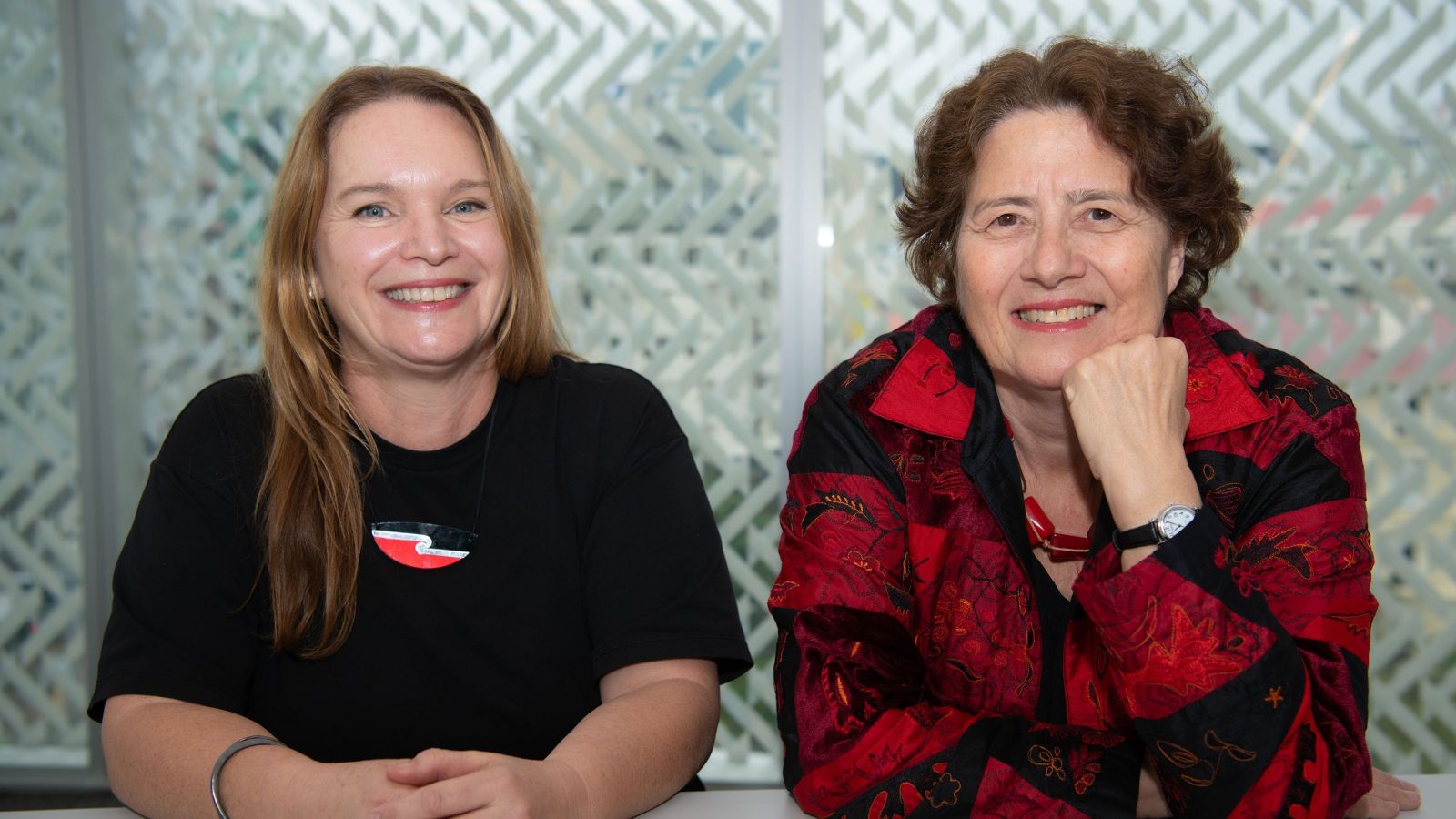
Vaccination to prevent cancer: A gift for our children
Led by Professor Bev Lawton and Dr Tania Slater (Te Herenga Waka)
In the Rangahau Hauora Māori stream, Professor Bev Lawton (Ngāti Porou) and Dr Tania Slater (Ngāti Kahu, Ngāpuhi) from Te Tātai Hauora o Hine—National Centre for Women’s Health Research Aotearoa were awarded $1.2 million for a three-year project researching HPV vaccination delivery in rural and urban Māori communities.
Professor Bev Lawton CNZM, founder of Te Tātai Hauora o Hine, says each year in Aotearoa New Zealand approximately 28,000 children miss out on having the life-saving human papillomavirus (HPV) vaccination.
“The system is failing these children, of whom tamariki Māori are over-represented. If this Tūāpapa Māori research is successful, it will increase HPV vaccination coverage, leading to reduced preventable harm and death for our children from HPV-related diseases and substantially reduced public health costs.”
HPV vaccination protects against cervical, anal, penile, vaginal, vulval and oropharyngeal (head and neck) cancers. The preventable, economic burden of HPV related cancers was estimated at $140,400,000 between 2019 and 2022. The researchers says, “There is an urgent need to examine why the vaccination programme is failing our whānau and to trial community-driven models to increase coverage equitably and prevent morbidity and mortality from HPV cancer.”
Utilising mixed methods Kaupapa Māori methodologies, and working with partners Te Hiku Hauora and Turuki Heaolth Care, with guidance from kaumātua, the Centre’s researcher‒community partnerships will provide opportunities to design vaccination solutions.
Senior Research Fellow at Te Tātai Hauora o Hine Dr Tania Slater says the research will test integrated models of vaccination delivery that harness community knowledge, trusted information sources, and champions.
She says the team are fortunate to have expertise from First Nations researchers Associate Professor Lisa Whop and Dr Tamara Butler, whose community-centred work in Australia has informed and contributed to increased vaccination coverage there.
“Whānau and community are experts of their own lives and health, and will drive this research.
“By walking alongside community and informing policy, our overall aim is to reduce the burden of HPV disease and move toward eliminating these cancers,” she says.
What matters most in palliative care for Pacific families and in what context?
Led by Dr Marianna Churchward (Te Herenga Waka) and Dr Amy Henry (AUT)
In the general category, senior research fellow (Pacific) Dr Marianna Churchward and Auckland University of Technology lecturer and research fellow Dr Amy Henry received $1.2 million for a three-year initiative that focuses on improving palliative care for Pacific peoples in Aotearoa New Zealand.
“We are thrilled to be awarded this HRC grant that provides an opportunity to understand what is important in palliative care for Pacific peoples,” says Marianna.
“Palliative care supports people with life-limiting conditions and their families, yet Pacific communities face significant barriers to accessing timely and culturally appropriate care.”
Despite a preference for home-based care, Pacific peoples are more likely to rely on emergency and hospital services at the end of life, leading to higher costs and poorer experiences. These challenges are expected to worsen as the Pacific population ages and chronic illness rates rise.
“The research will use a mixed-methods approach, combining interviews with Pacific families and clinicians, analysis of national health data, and community workshops,” says Amy.
“Our methodologies are chosen for their alignment with Pacific values, fostering trust and ensuring our findings resonate within the communities involved.”
The project will co-develop a Pacific Palliative Care model which will aim to reduce inequities, improve care pathways, and ensure services align with Pacific values and preferences, while also informing policy and strengthening national palliative care.
This will be the first study of it’s kind to focus on the palliative care needs of Pacific peoples in New Zealand.