
Treatment delay
This component examines the effect of delay on colorectal cancer-specific mortality and the contribution of delay to ethnic-related differences in mortality. It will also explore the type of support needed by Māori and Pacific patients with colorectal cancer before their treatment begins.
The contribution of delay in colorectal cancer-specific mortality
The 31-day Faster Cancer Treatment target measures the time from the decision to treatment to the initiation of treatment, with a benchmark of no more than 31 days. Previous research in Aotearoa New Zealand identified inequities in treatment delays for breast cancer, particularly affecting Māori, Pacific peoples and those living in more deprived areas.
However, the association between achieving the 31-day target and colorectal outcomes has not been analysed, nor has the impact of not meeting the target on inequities in outcome been quantified. Therefore, this study aims to:
- analyse the association between treatment delay and colorectal cancer-specific mortality.
- examine the ethnic-related differences in delay, and how these contribute to mortality.
Research leads

Senior Research Fellow
Health Services Research Centre
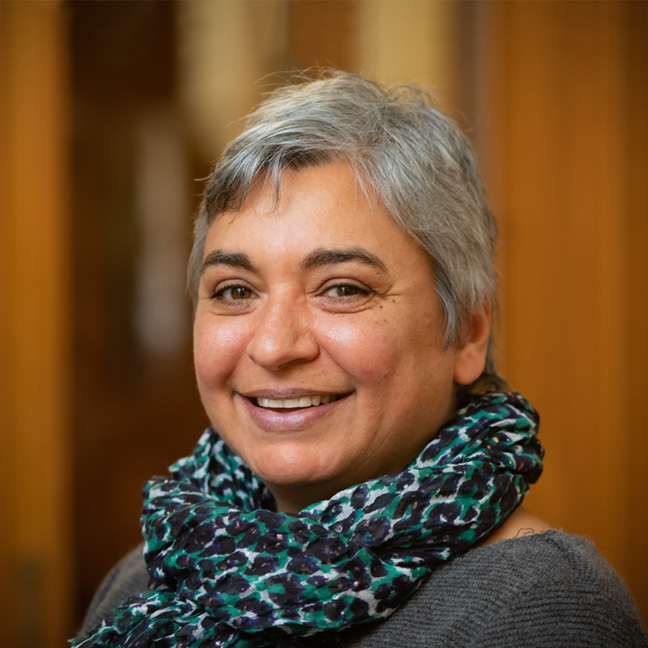
Associate Dean, Research
Faculty of Education, Health, and Psychological Sciences
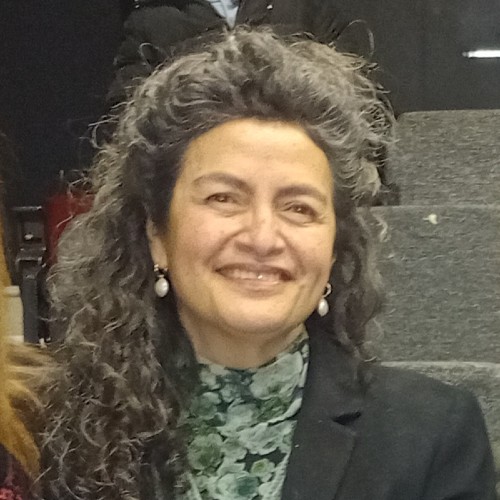
Dr Lis Ellison-Loschmann
Co-director of Flax Analytics
Support for Māori and Pacific patients with colorectal cancer before their treatment begins
Little is known about the support needs of people with colorectal cancer during their wait from diagnosis to treatment. This study uses a co-design approach to explore what kind of support has been helpful and what additional support is needed during the time from diagnosis to commencement of treatment.
This study will include
- A series of ten co-design workshops with people diagnosed with colorectal cancer within the last year, who have been offered and/or have received treatment with curative intent and are well enough to participate.
These workshops will have an explicit aim of placing patients’ experiences at the centre of the design process, and will be underpinned by Kaupapa Māori and Pacific methodologies.
Research leads

Senior Research Fellow
Health Services Research Centre

Dr Lis Ellison-Loschmann
Co-director of Flax Analytics