
Remote Participation in Criminal Proceedings
This project examines when and how remote participation should be used in proceedings, with the goal of supporting fairer and more effective justice processes.
Project overview
The use of remote participation in courts refers to where one or more participants take part in court proceedings using audio-visual (AV) or audio technology, rather than appearing in person. Since the Covid-19 pandemic, remote appearances have become more common in courts around the world, but there is a need for more evidence about the impact on vulnerable defendants, victims, and the integrity of court processes.
There are many barriers to participation in the court and those who are neurodivergent or have disabilities often require special accommodations. We need to know whether remote participation is a help or a hindrance for these people and determine how we know who is who, and who needs what to enable effective participation.
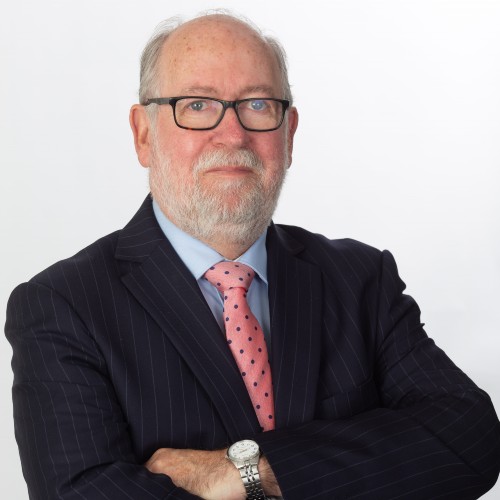
John Walker
Co-director | Retired Judge
John Walker continued “There are many benefits of remote participation by AVL but we hope our research will enable decisions to be made which balance these benefits against the right to fully participate in court.“
The project, which is supported through a Michael and Suzanne Borrin Foundation grant with additional Ministry of Justice funding, will build an evidence base through empirical research with court users and stakeholders, along with a review of international experiences.
We anticipate that the project findings will contribute to government and judicial decision-making regarding the scope of remote participation, such as the types of proceedings, rights protections, and procedures necessary now and in future.

Professor Yvette Tinsley
Co-director
As an independent voice on justice issues, Te Herenga Waka’s Centre for Justice Innovation is well placed to lead this work. The Centre, based at Te Kauhanganui Tātai Ture—Faculty of Law at Te Herenga Waka—Victoria University of Wellington, brings together multidisciplinary expertise to support change in the way that justice is delivered in Aotearoa New Zealand.
The project will be led by the Centre’s co-directors, Professor Yvette Tinsley, John Walker, and conflict resolution practitioner, Everard Halbert (Rongowhakaata, Ngāti Tama, Ngāti Whiti), with support from colleagues across the Faculty of Law and wider university.
The Centre held a valuable forum in March, bringing together representatives from the disability and neurodivergence spaces, justice sector agencies, and the judiciary, for a conversation about the challenges and benefits of utilising remote participation for defendants facing barriers to participation.
“The forum raised issues that will guide us in the areas we need to concentrate on in our research”, says John Walker.
A summary report of this forum is now available in the project outputs section and is the first of a series of publications from the project.
“We are grateful for our funders’ support of this project, and for the Michael and Suzanne Borrin Foundation’s ongoing support of the Te Herenga Waka Centre for Justice Innovation’s work in addressing cross-cutting justice issues”, says Professor Tinsley.