
The most consequential problems of our time—cascading financial crises, fragile democracies, destabilising climate, brittle supply chains, AI systems with unpredictable effects—don't fit inside any single discipline. Addressing them requires a science built for complexity itself.
The Chair in Complexity Science brings together people and approaches from mathematics, physics, computer science, social science, and the humanities to study systems that are interconnected, adaptive, and hard to predict. Our researchers
- model governance as a living ecosystem,
- track how information networks shape climate understanding,
- map the structure and dynamics of platform-mediated information environments,
- follow the evolution of entire societies through data, and
- develop computational methods that accelerate discovery in fields from pharmaceutical research to materials science.
We study complexity because the world's hardest problems demand it.
Our people
Meet the postgraduate students, researchers, and staff working with the Chair in Complexity Science.
Complexity beyond pure reason
In his inaugural lecture as Professor, Markus Luczak-Roesch combines the lens of complexity science with his account as a first-generation university student.
Watch the video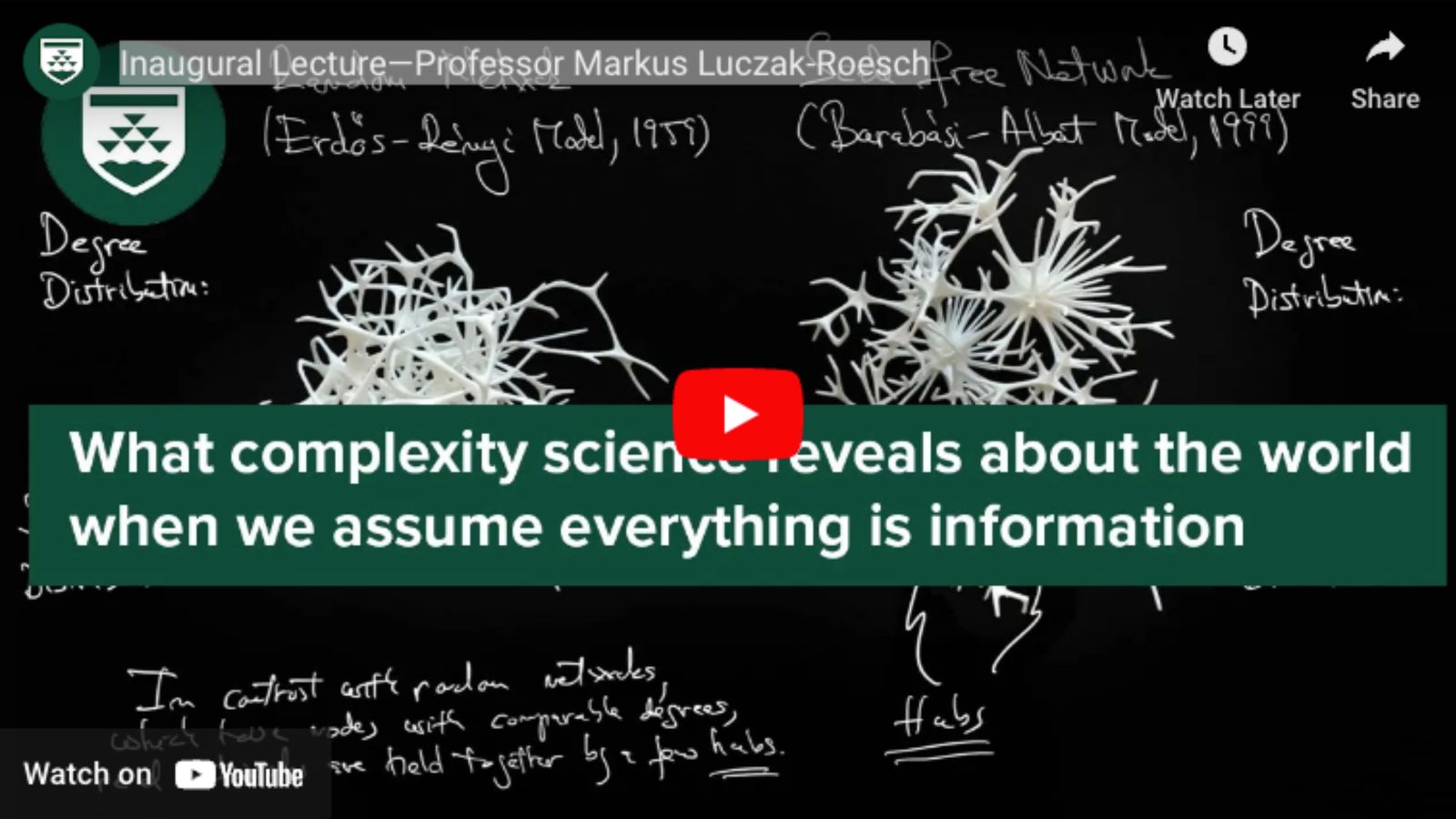

Exploring emergence
Professor Markus Luczak-Roesch talks about his research into developing a law of emergence to allow scientists to understand rare coincidences that occur within complex systems.
Watch the videoOur research
Professor Markus Luczak-Roesch and his team of researchers study fundamental and applied questions in complexity science.
Explore our research
Research highlights
The natural world
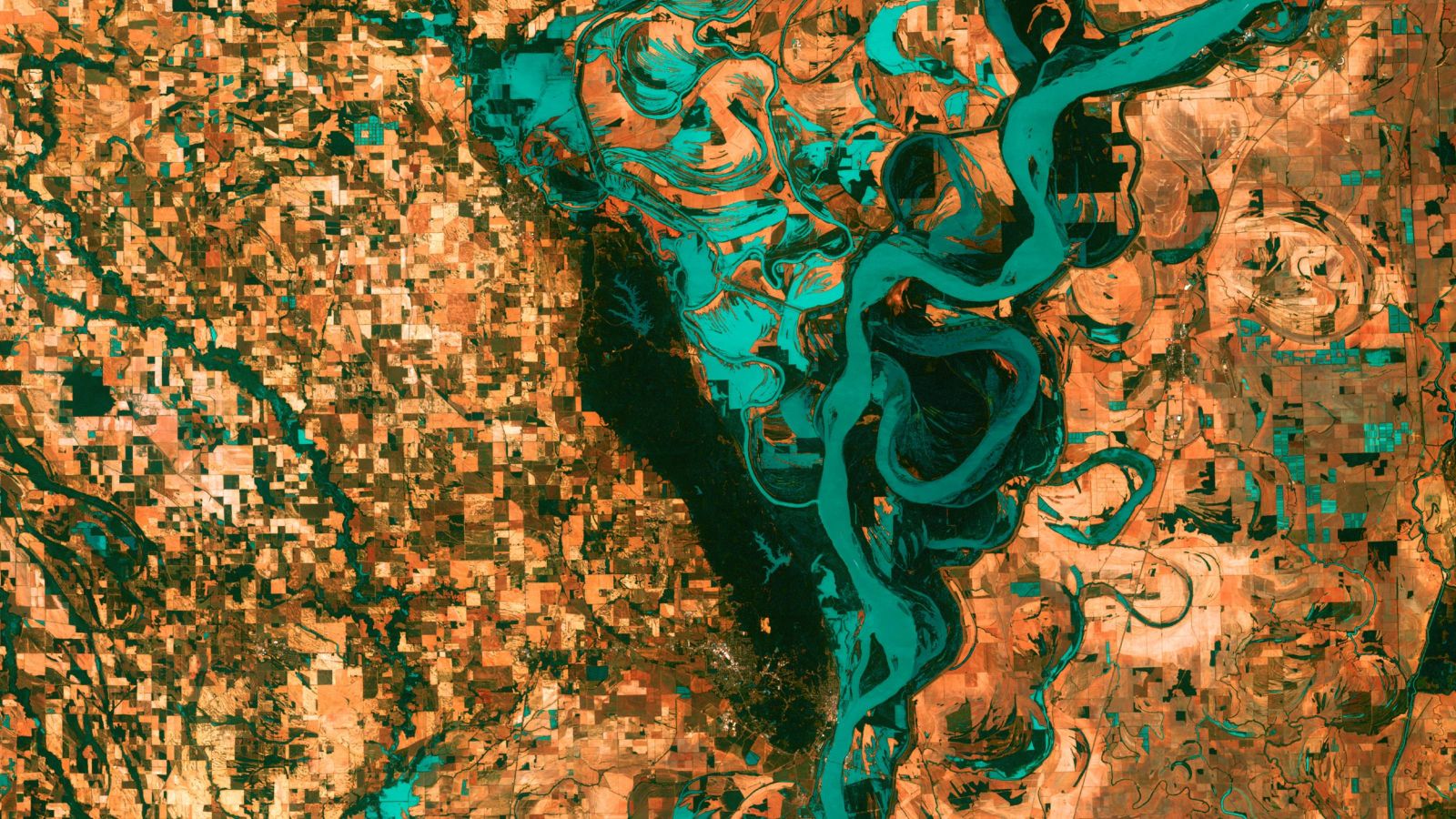
This research uses information network analysis to understand complex behaviours and activities in the natural world, like climate change.

Culture and language
This research analyses data surrounding language and culture.

Time, coincidence, and acausality
This research stream explores a novel method to study multimodal data in the time dimension using information networks.
About Te Maheno
The Chair in Complexity Science site has been gifted the te reo Māori name of Te Maheno. This means to be untied, to release.
According to Māori oral tradition, Te Ihonga was a deity who could tie intricate knots. The resulting entanglements became known as ‘te ruru a Te Ihonga’ (the ties of Te Ihonga). They were regarded as so complicated and secure that only people who knew Te Ihonga’s secret could untie them.