From oratory to story time—Pasifika Lecturer contributes to Sāmoan children’s literacy
Dr Sadat Muaiava is helping to review, edit and translate 20 bilingual children’s books in Sāmoan for bilingual classes.
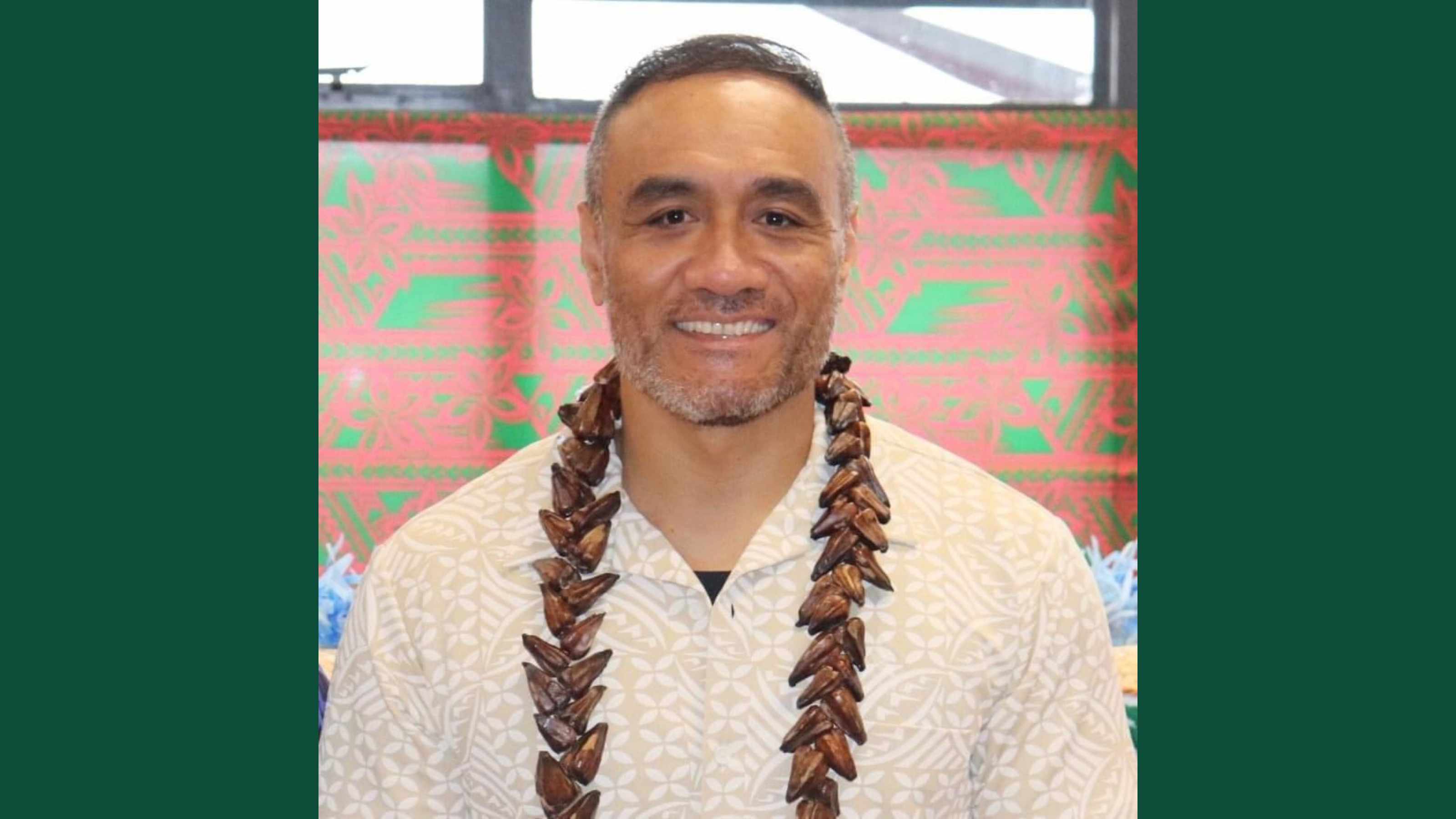
Te Herenga Waka—Victoria University of Wellington is a place Dr Muaiava considers home, after he completed all of his studies here and is now an academic in Sāmoan Studies in Va’aomanū Pasifika—Pacific Studies and Samoan Studies. He began tutoring for PASI 101: The Pacific Heritage in 2010, before moving on as the inaugural Pacific Subject Librarian in 2011, and then becoming an academic in Sāmoan Studies in 2012.
“I love it,” says Dr Muaiava. “I love our language and culture. I get to research it, my PhD was on it, I get to teach it. It’s just an awesome job for me.”
Dr Muaiava is part of the Sāmoan language team that works with Lift Education, which is responsible for editing resources in gagana Sāmoa. These children’s books are used in A’oga Amata—early childhood centres for Sāmoan immersion, and bilingual classes throughout Aotearoa New Zealand.
These books are set to be released in August, and are part of the Faugagana series developed by Lift Education for the Ministry of Education.
Part of the project has also involved quality assuring language while recording audio for the books. “Some of my students have come into the studio to record these books we’ve edited and written, showing and giving them pathways where they can use their knowledge of Sāmoan and their culture to contribute to the revival and maintenance of the Sāmoan language and culture. It’s quite cool,” says Dr Muaiava.
“It’s a language of nurture, it’s a language of teaching, and it’s a language which hits the heartstrings of our identity as Sāmoans.”
Dr Muaiava sees this work as one example of how we can bridge gaps between academia and making language accessible to our communities.
“It is so important because most of our students don’t have these spaces in their homes. They access it here on campus. So this is one way our Sāmoan Studies department is making our language accessible to our communities. Children’s books are one example of getting that through to them, whether that’s through a written orthography or pronouncing Sāmoan correctly, it’s the scaffolding of language. Heaps of work to do, and a lot of opportunities to contribute.
“Language is part of who we are. And this is one contribution to all the amazing work everyone else is doing. There are so many Pacific authors out there, trying to make our language and culture accessible for everyone as best we can.
“Studying language is really important, and there is a space in these institutions for that. We’re not leaving our identities at the door. When you come into these places, our language has a space here.”
Dr Muaiava and his partner Shana have four children who have inspired some of his work.
“In some of the books I’ve written, I use our children’s names, and they read them at home as well. I got my wife to write, she’s written a book for the series as well. It’s all sort of inspired by my own family, my upbringing, the work that I do. It’s all part of that fabric of making language and culture accessible and being able to pass it on and teach.”
Children’s books aren’t the only books Dr Muaiava has written—he’s also a Sāmoan orator which led to the publication of his book Lāuga: Understanding Samoan Oratory two years ago.
“It was an awesome publication for me. I just want to keep publishing books now. I’ve got another two books in the pipeline that I’m working on.”
Dr Muaiava uses Lāuga: Understanding Samoan Oratory as the required text book for SAMO 201: Sāmoan Language and Oratory, and plans on using his next one titled Fa’alavelave: Samoan events and cultural exchange for SAMO 301: Sāmoan Language and Customs.
“A lot of that isn’t just from my experiences but that learning journey with my students. I learn from them and here I am documenting it on my book for future students who are yet to come through. It’s a reciprocal relationship where knowledge is shared.”