
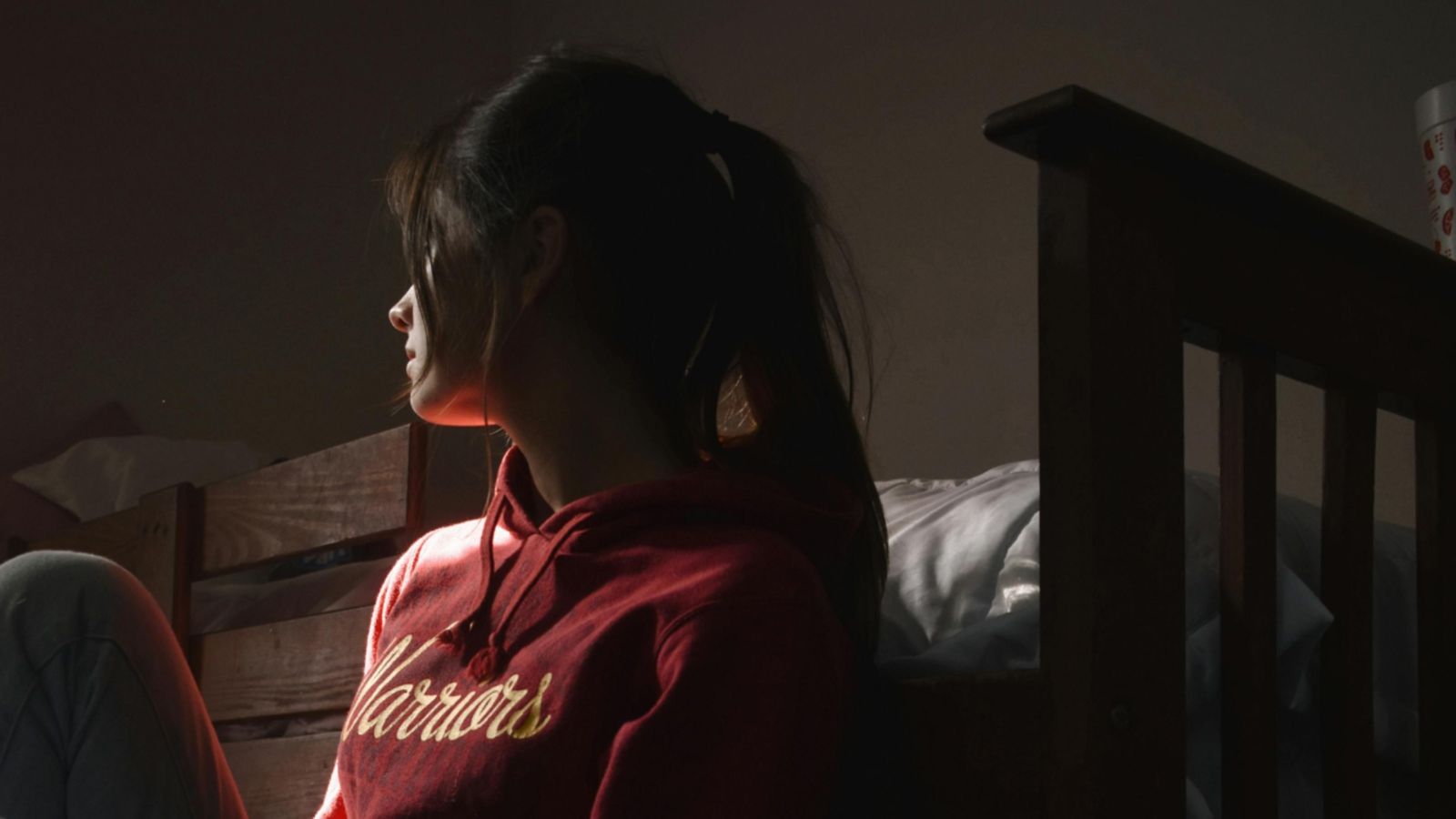
Comment: Many children and teenagers are winding down towards the end of the school year or may have already finished studies for 2025. Summer days at the beach and time with friends await. However, this is far from the reality for some young people affected by Long COVID or myalgic encephalomyelitis/chronic fatigue syndrome (ME/CFS).
These are post-infectious chronic conditions that can change people’s lives and sense of identity. The severity varies between people and can fluctuate day-to-day, week-to-week, or month-to-month. Some people may be able to attend school on some days, although it is likely to be at the expense of any social life.
For others, their condition may mean they’re housebound, and for the most severe, bedbound.
Since 2021, we’ve conducted a range of studies on these conditions. We’ve found that children who have had COVID-19 are much more likely to miss out on school, work, or usual activities some or a lot of the time compared with those who haven’t had COVID-19 (52 percent against 42 percent). The difference is statistically significant, suggesting an impact of Long COVID.
Of specific relevance for young people is the effect of these chronic conditions on their social and school lives. At a time when peers may be enjoying the freedom of youth, those with Long COVID or ME/CFS may have to use their limited energy on schooling, leaving none for socialising.
And while peers are developing independent lives outside of their families, young people with these conditions may become more, rather than less, dependent. Opportunities for a first holiday with friends, testing boundaries, earning money, and having relationships may all be restricted. As teenager Caitlin told us:
"Having Long COVID/CFS puts a layer of complexity over everything in my life. I’m constantly juggling the things I want to do and deciding which I will manage. I’d love to have a part-time job like my friends, but my health makes that really tricky. During the term, I have to prioritise school and I’m never sure if I’ll have enough energy for a regular commitment. Everything I do takes a toll and I’m always trying to work out what I can do at any point in time. Even in the holidays, I need to make sure I’m resting a lot and I feel nervous that I won’t manage a regular job. Not being able to have a job makes it hard to save money for things like university and I have to rely on my parents a lot."
For parents and caregivers, it’s scary seeing a child with such a debilitating condition and with no clear treatment or pathway to recovery. Some may have to give up work to take on caring responsibilities, affecting family income. Repeated doctor’s visits and the cost of trying medications or supplements can add to financial stress.
There is also the stress of advocating for your child, particularly if their doctor or school believes these physiological conditions are psychological in origin. In our research, people reported not feeling listened to or understood and noted that doctors seemed to have a lack of information or be misinformed. Gaps in health professionals’ knowledge have contributed to the burden carried by people with Long COVID.
One group regularly overlooked, or misunderstood, is people with severe illness. In these cases, patients may be bed-bound for years. This is often accompanied by light and sound sensitivity, which can severely limit their ability to engage, even virtually, with the outside world. Nutrition is often provided via a feeding tube, and carers are required to assist with basic needs.
Some people may be tired of hearing about COVID-19. But prevention is essential if we are to minimise the risk of others contracting the condition. The easiest public health measure to achieve this is staying home when sick, although this requires government action to allow increased paid leave.
Wearing a mask is effective, particularly in crowded, high-risk, and indoor settings. Better ventilation can also improve indoor air quality and hence reduce transmission. Vaccination is effective against COVID-19 and Long COVID, although most children under 16 are only eligible to receive one dose, and those aged 16 to 29 two doses.
In the new year, we’ll be launching our guide for GPs to help with the diagnosis, management, and treatment of Long COVID. If you need more help or advice about Long COVID or ME/CFS, the following organisations have excellent resources:
- Associated New Zealand ME Society
- Complex Chronic Illness Support
- Long Covid Kids
- Long Covid Support Aotearoa
- ME Awareness NZ
- ME/CFS Canterbury
- ME Information and Support Services
- ME Respite
- ME Support.
This article was originally published on Newsroom.
Mona Jeffreys is an associate professor (research) in Epidemiology at Te Herenga Waka—Victoria University of Wellington. Rochelle Gribble from Te Herenga Waka also contributed to this article.