
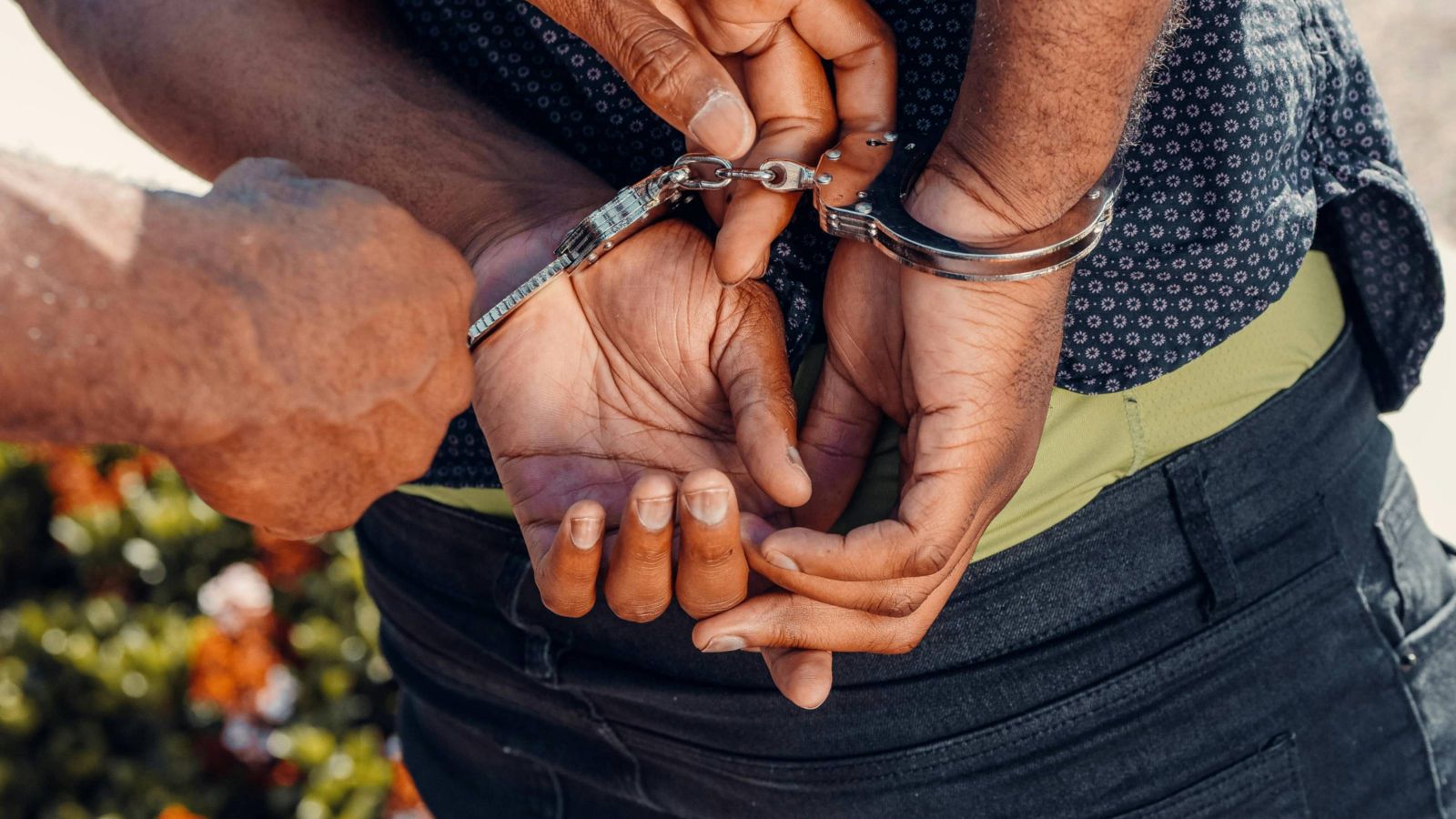
Comment: Gangs are often a hot topic in the media, especially at election time when the ‘tough on crime’ crowd is making appeals to voters. But what does it mean to ‘crack down on gangs’? And what are the social consequences for gang communities—the men, women, and children—if we do?
One statistic that tends to receive little attention is that almost half of recorded serious offending by gang members is family violence-related. Rather than ‘cracking down on gangs’, a more fruitful approach could therefore be to focus on harm reduction within gang communities.
Gangs in Aotearoa are inherently male but many women are connected to them through family or romantic relationships. These women’s experiences are no less significant than the men’s. Despite this, women’s roles in gangs and their experiences, both within the gang and in mainstream society, have been under-researched.
My thesis research aimed to help address this gap. As part of my work, I interviewed six mothers who had connections to a gang to learn about their roles within their family unit and the wider community, their parenting and caregiving experiences, and their ambitions, goals, and hopes.
One of the main themes that emerged was the barriers the women faced to accessing support from social services and government organisations. The women described how times of desperation would lead them to contact support services. However, help was not always available.
Several reported asking for help at times of crisis but being put on a waitlist. One commented:
“What happens is you compartmentalise that crisis, so it hasn’t gone but you put it back there because life has to carry on … you’ve got children to look after, mokos to look after. So you can’t stay in crisis, especially for wāhine. You’ve just got to keep soldiering on.”
Participants also shared experiences of feeling support services were not responsive or welcoming. One commented on services labelling her as ‘hard to reach’, which immediately created a barrier to receiving support. She felt the label ‘hard to reach’ reflected the service’s view rather than reality:
“… they class us as the ‘hard-to-reach’ whānau, eh? You know, but that’s not the case at all … I think a lot of it is approach.”
Another woman commented that within mainstream society there was shame and stigma associated with gang connectedness. She said this was why women would be selective about who they opened up to:
“I think what our women have learned to do is be really selective about who they tell their whole story to because we all know there’s stigma and shame attached to everything, even if you are just a family member.”
Most of the women interviewed also discussed their addictions to methamphetamine. However, even when an addiction service could be identified to help them, participants found services were often unrelatable. They described how not feeling understood by the services was a barrier. One commented:
“And then just the understanding, like it took me a long time to feel like I was actually being related to instead of being talked at.”
The experiences of these six women provide insights into areas where better support could be provided for mothers and children who live in gang environments—and thereby help reduce harm. A purely punitive tough on crime response to gangs will do little to support these women or lead to improved outcomes. Worse, it could cause harm, not only for those dealing with trauma, addiction, and harm, but also for their children.
The women’s experiences echo findings of other research on barriers to accessing support. For example, a 2023 scoping review into women’s experiences of substance use, alcohol, and drug services in Aotearoa New Zealand identified a range of barriers to treatment including stigma, wait times, negative experiences with healthcare workers, and a lack of appropriate services to meet needs.
It’s well established that the more responsive a service is to a person’s needs, the more likely the person will be to use that service. Research also suggests those who may benefit most from support, such as women associated with gangs, are more likely to find services inaccessible. The Growing Up in New Zealand study reported that the most disadvantaged families do not interact with or use support services at the level that would be expected.
These findings point to the need for a different approach to reducing harm. The women I interviewed were clear: supporting mothers, particularly those within gang communities, with understanding and without judgment is the way to support a whānau.
This article was originally published on Newsroom. It was written for a psychology communications competition run by the university’s school of psychology and supported by the New Zealand Psychological Society.
Zara Andrews-Goss is a Master of Science student in the School of Psychology at Te Herenga Waka—Victoria University of Wellington.