
Diabetes lifestyle program for blood sugar control – a case study
New Zealand has a diabetes problem, fuelled in part by one of the highest rates of obesity in the world. Approximately 5% of the total population has type 2 diabetes. This is predicted to increase to 7% of the population by 2040.
Causes of type 2 diabetes
Type 2 diabetes is caused by a range of factors, including genetics, and access to and understanding of nutritious food. Lack of physical activity is also a factor. As with many health issues there is no simple cause and effect. In the context of Aotearoa there is the impact of inequities where not everyone has the same access to health and other supports.
Reducing the incidence of type 2 diabetes
If we can improve access to nutritious food and increase physical levels, there is the opportunity to reduce the incidence of diabetes. Through this, reduce absenteeism and increase productivity within the workforce.
“By changing from an ambulance at the bottom of the cliff approach to a fence at the top, we could be avoiding more than 600 amputations a year in people with type 2 diabetes.”
About the case study
This case study describes an eight-week intervention that focuses on creating routines and turning them into habits. This is on the basis that if healthy habits are established, they will continue for a longer period.
Study methodology
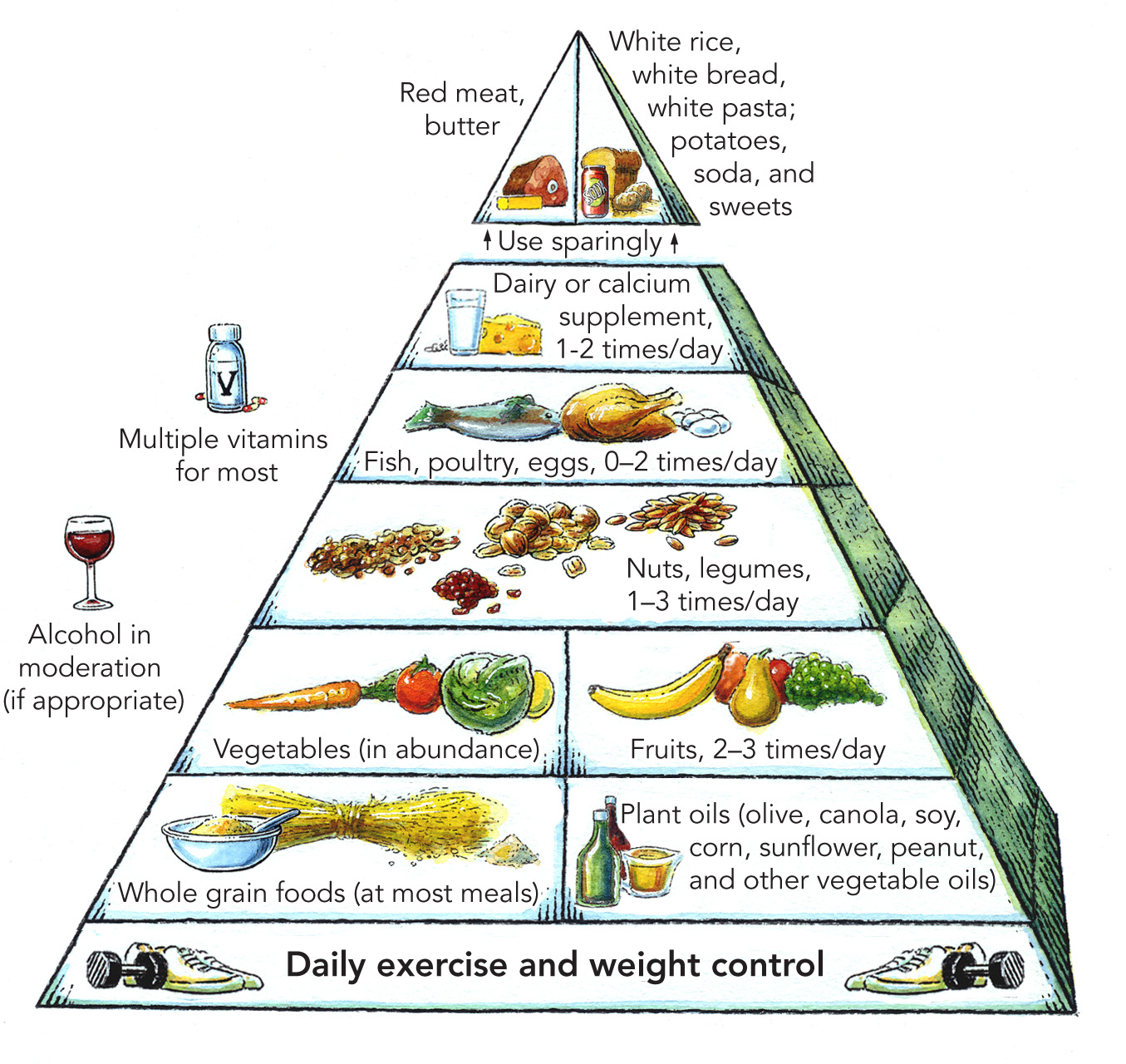
An eight-week programme was developed where individuals either had educational materials (PDFs and online resources), a webcast or a face-to-face meeting with an advisor. Each week homework was provided and this was assessed in each session. The programme was developed to give the following each week:
- The Mediterranean Diet Food Guide
- Training better food habits
- Teaching control over over-consumption
- Better eating routines
- Stress and overconsumption
- The importance of daily activity
- Goal-setting and behavioural chaining
- Group discussion.
Study results
The case study was carried out with one female. The individual’s food diary showed a reduction in calorie consumption of 24%. Results identified a loss of 6 kilograms in weight and a reduction in both salt and sugar intake. Insulin use was cut by half and medical costs were predicted to be reduced by US$51,360.
The follow-up intervention study took place in a corporate and a clinical environment. Participants were recruited using email communication and follow-up by direct communication or a telephone call. There were a total of eight Type 1 diabetic participants in the follow-up study.
Results from the follow-up study showed improved blood glucose readings and some weight loss.
While this has been a small study and does require corroboration through larger sample sizes, the support given in relation to dietary choices, physical activity and goal-setting appear to be effective. Being able to deliver the programme remotely also brings with it advantages.
Feedback
Give us your feedback on our knowledge base, or contact us with any questions about this information.
-

Prof Joanne Crawford
Professor of Health and Safety
School of Health
EA, Easterfield Building, Gate 3, Kelburn Parade
References
- Clower, W. and Pifalo, B., 2013. A Lifestyle Approach for the Control of Diabetic Hyperglycemia. Journal of Managed Care Medicine, 16(1)