
Difficult questions about the true cost of elite sporting success in New Zealand have been raised by athlete complaints in a variety of sports in the past few years.
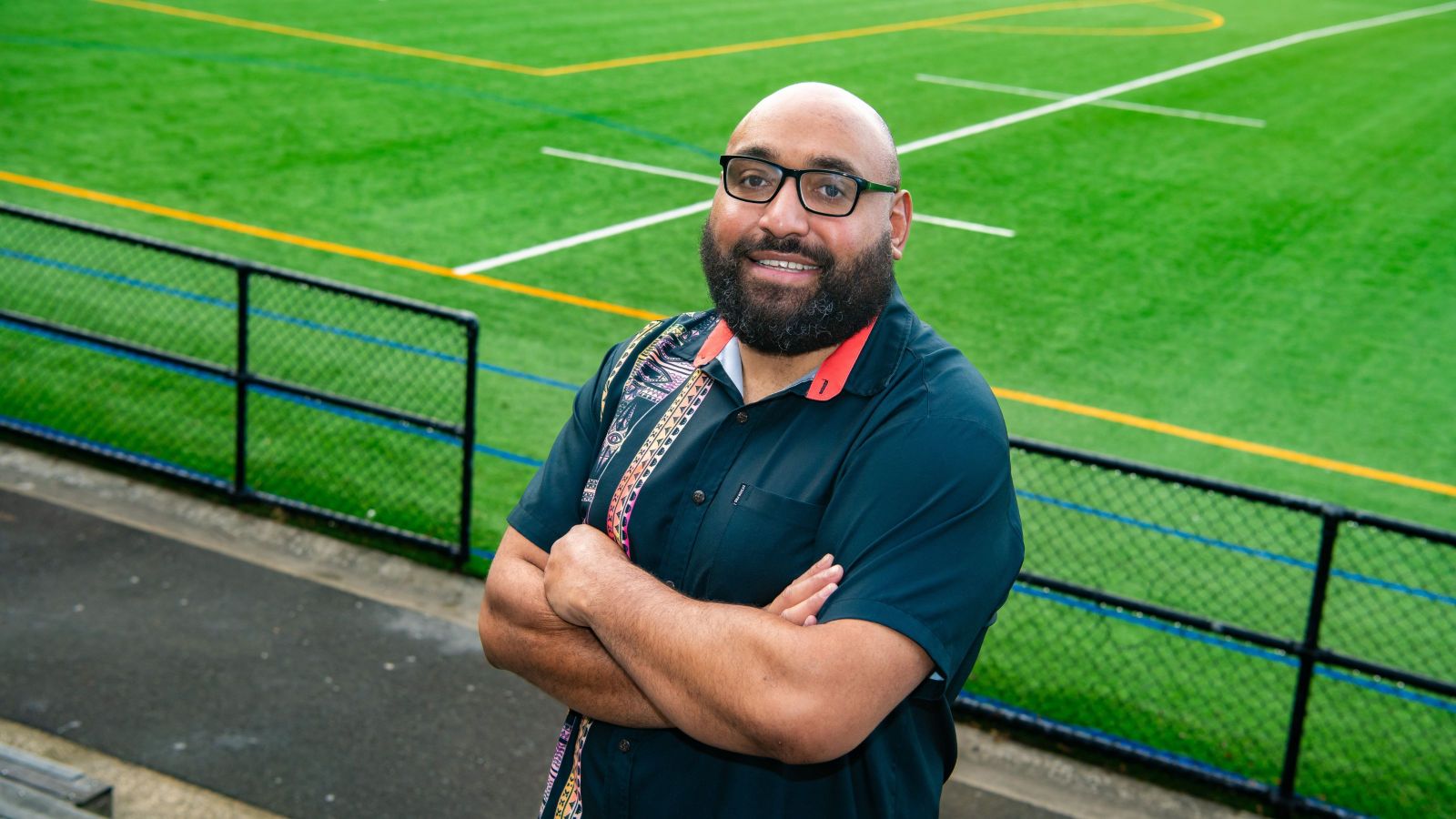
Recent Te Herenga Waka—Victoria University of Wellington Master of Commerce graduate Wayne Aquila believes the systems designed to support our athletes may instead be contributing to their harm.
In high-performance sport, success is typically measured in results. Aquila’s work suggests that the human cost of achieving those results has received far less attention.
His research was influenced by growing global concern about toxic cultures in elite sport, where athletes have increasingly spoken out about bullying, abuse, and poor treatment.
He examined how power operates in high-performance sport environments and how it shapes athlete wellbeing, using the case of Olympic cyclist Olivia Podmore as a critical lens.
“I found that the issues raised in her cases and others are not isolated incidents, but reflect deeper structural problems.”
There was a disconnect between what organisations said about how they care for athletes and the athlete’s lived experience, Aquila’s thesis concluded.
At its core is a stark finding: while organisations emphasise care and support, wellbeing is often secondary to performance outcomes such as medals, rankings, and funding success.
“I found that athlete wellbeing was frequently commodified, positioned as something to be optimised to achieve performance outcomes such as funding success, medals, and national pride.
“There is a win-at-all-costs culture embedded in funding models and performance expectations.
“What the athletes pay in wellbeing to achieve those wins is not tallied with the same focus.”
There is a tension within the system, where organisations promote wellbeing while simultaneously prioritising outcomes that may undermine it.
Aquila’s study outlined how control is exercised within the high-performance system.
Wellbeing is defined, measured and monitored by organisations, often through standardised tools and frameworks. While these appear supportive on the surface, they can also function as mechanisms of oversight, limiting athlete autonomy and reinforcing top-down decision-making.
He also found that official narratives tended to downplay or even omit critical events and findings that exposed systemic failings. In doing so, organisations can present an image of progress without fully engaging with the underlying causes of harm.
It results in elite athletes facing high levels of stress, burnout and mental health challenges, which can be amplified by performance pressure, public scrutiny and organisational expectations.
These issues aren’t confined to a single sport, he says.
Repeated inquiries across multiple sports have highlighted similar issues of culture, power imbalance and inadequate support.
“Women’s rugby, gymnastics, canoeing, kayaking, cycling—this is affecting a whole lot of sports right across the board.”
The consequences, Aquila argues, go beyond sport. High-performance systems in New Zealand are publicly-funded and closely tied to national identity, making the wellbeing of athletes a matter of broader public concern.
Meaningful change is needed, but will require more than incremental reform, he believes.
“We need to rethink how success is defined and how power is distributed in our systems. That may require rethinking our funding models and it should include giving our athletes a stronger voice in decision-making.
“Wellbeing frameworks need to reflect genuine care, rather than performance optimisation.
“The challenge I see is: can elite sport deliver national success without compromising the health, dignity and humanity of the athletes we love to cheer for?”
Aquila is now beginning a PhD at Victoria University of Wellington, where he plans to further explore ethics, power and wellbeing in organisational systems.
Originally published in the Sunday Star-Times Brainwaves feature. Read the original on The Post.