
Comment: Anyone who has been through the process of building or renovating their home knows it is expensive and often complicated. On top of this, the building materials we use are contributing to one of the biggest problems of our time: climate change.
While we focus on making our homes more energy efficient through better insulation and airtightness, we often overlook the damage caused by extracting the materials used. Building materials and construction now account for 11 percent of global energy-related carbon emissions, making the way we build a significant driver of climate change.
Many conventional products—such as polyester and polystyrene insulation, synthetic carpets, vinyl flooring, adhesives, and building wraps—are derived from petroleum. Concrete, steel, aluminium, plasterboard, and glass wool insulation—the standard choices for builders—are also highly energy intensive to manufacture.
But what if there were better alternatives, providing ways of building that can mitigate climate change and protect the Earth’s natural resources?
This is where bio-based materials come into play, offering low-impact, regenerative alternatives to conventional, carbon-intensive materials. Bio-based materials are made from products such as straw, hemp, timber, mycelium (fungi), clay, and wool. They are renewable, non-toxic, high-performing, and help us create homes that are better for people and the planet.
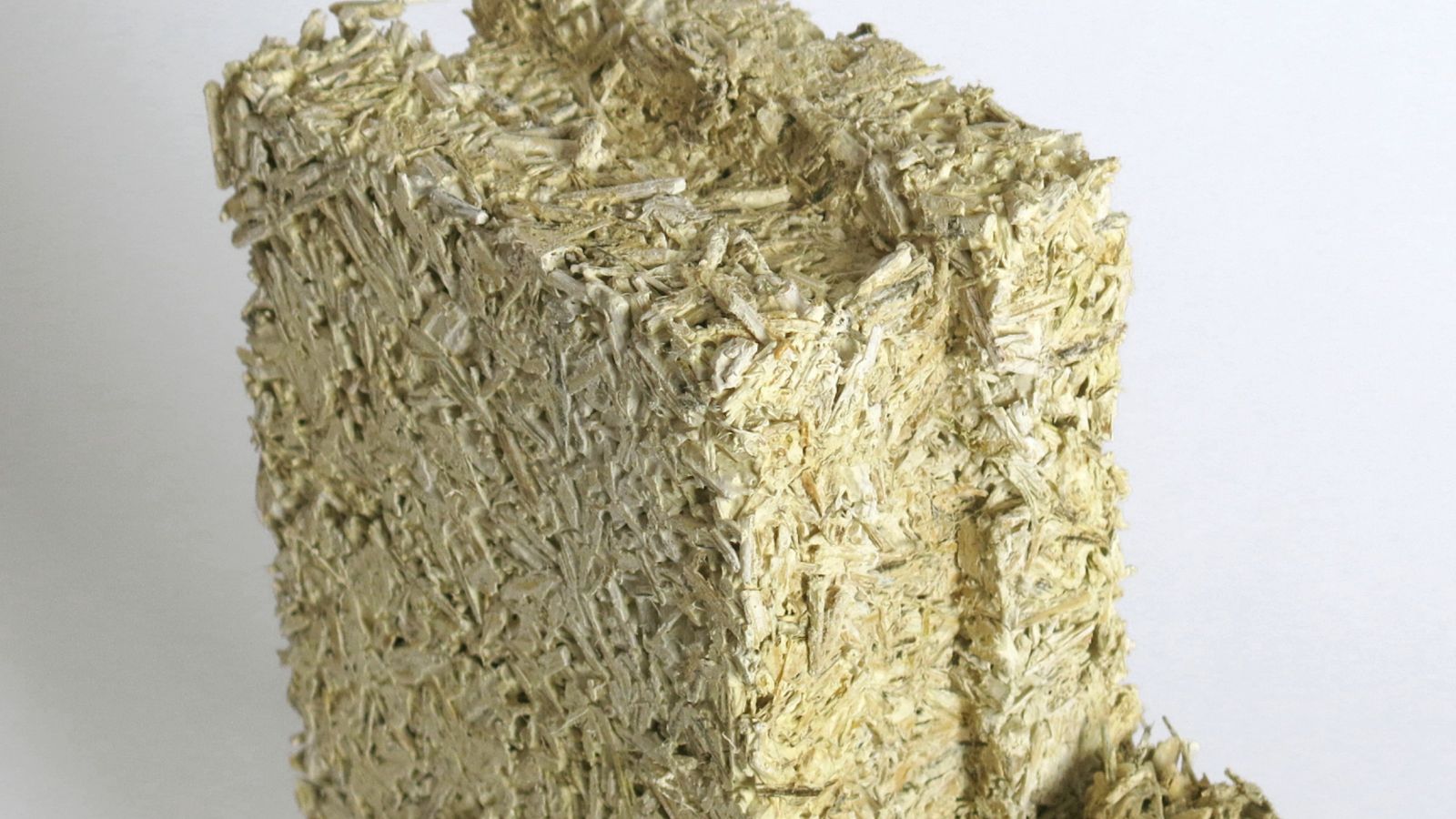
Take a bio-based product such as hempcrete, which combines the woody core of the hemp plant with lime to form a composite block. It’s an effective insulation material, helping to regulate temperature and humidity, and prevent dampness and mould.
Natural materials such as earth and clay also have the ability to store heat throughout the day and slowly release it at night, creating an even indoor temperature without relying heavily on heating systems. These materials work with the environment, not against it, without compromising performance.
Barriers to bio-based options
Unfortunately, if you want to use bio-based products in your new home or your home renovation it’s unlikely you’ll find many options at your local building supply store. Bringing bio-based materials into the mainstream isn’t easy. Many people are still unfamiliar with them, and it’s hard to shift mindsets when conventional ways of building are so deeply ingrained in supply chains.
Many designers and builders are also reluctant to use unconventional materials without formal certification proving the products’ performance and durability. As a result, materials that are easily sourced and familiar to builders are usually specified, locking us into well-known construction methods.
Cost is another barrier. Depending on where and how they’re produced, some bio-based materials can be more expensive. For example, hempcrete relies on farmers to grow, harvest, and process the hemp crop, and then for a manufacturer to cast the composite and distribute it. Without these systems in place, the cost and accessibility of hempcrete is significantly affected. Growing demand is key to making these materials more accessible and affordable.
Another issue is how we view building maintenance. In today’s world, there’s a strong emphasis on low-maintenance homes built with materials designed to last indefinitely—often at a steep environmental price as many of these ‘durable’ materials are derived from petrochemicals.
There’s nothing inherently wrong with seeking long-lasting materials, but it has fostered a culture of neglect for our homes. Bio-based materials, though sufficiently durable, need regular maintenance, which means designers and homeowners alike must rethink the way they view upkeep, shifting towards a more sustainable culture of repair and stewardship.
For example, straw walls need a breathable coating such as lime or clay render, or natural paint, which might need touching up more often than standard plastic-based paint. Likewise, wool insulation in the ceiling works well, but over time it can squash down and leave gaps, which need filling.
A building-culture shift is needed
Increasing the use of bio-based materials will require a shift in how we think about construction.
Building practices are not doing us or our planet any favours. Our building code must recognise bio-based materials as sufficient alternatives and we need to develop supply chains that can deliver these products to consumers. Given our agricultural economy, this could be done by growing crops such as hemp and straw for manufacture in Aotearoa.
It is also important to standardise how we use bio-based materials, while recognising they are not always a direct, like-for-like replacement for conventional options. Using these products often requires new skills and techniques. There will also be a need for ongoing development to improve product performance and explore new uses.
Though bio-based products may not replace the current materials we use, they will broaden our approach to building healthier and more energy efficient houses. Embracing bio-based materials demands a cultural shift in how we design, build, and maintain our homes—but it is a necessary step if we want to reduce our impact on the planet and its resources.
This article was originally published on Newsroom.
William Mason is a Master of Architecture graduate from Te Herenga Waka—Victoria University of Wellington.